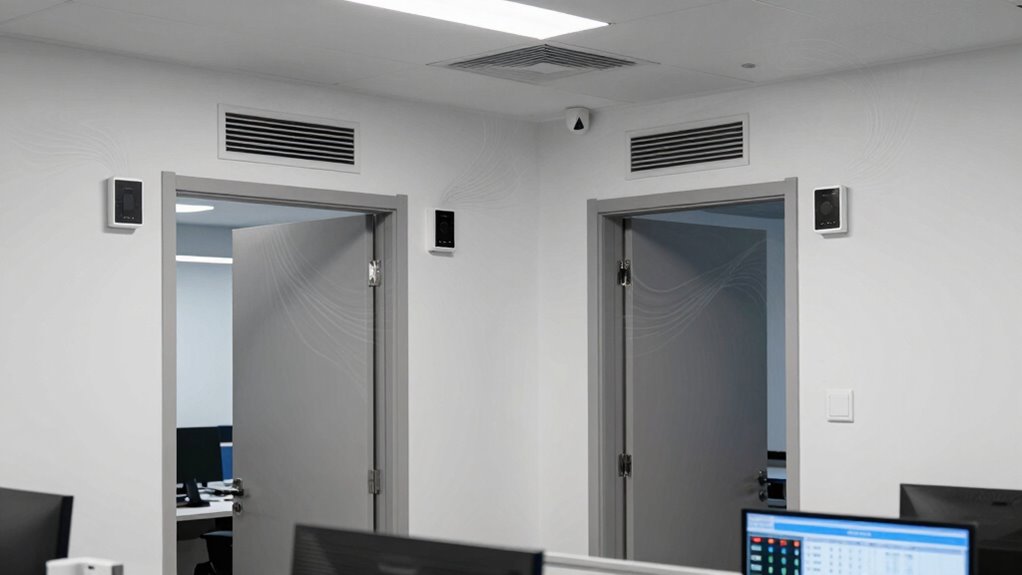
Understanding why alert thresholds should vary by room rather than device is key to optimizing safety and comfort—keep reading to learn how.
Browsing Category
VOC & Air Quality Sensors
127 posts
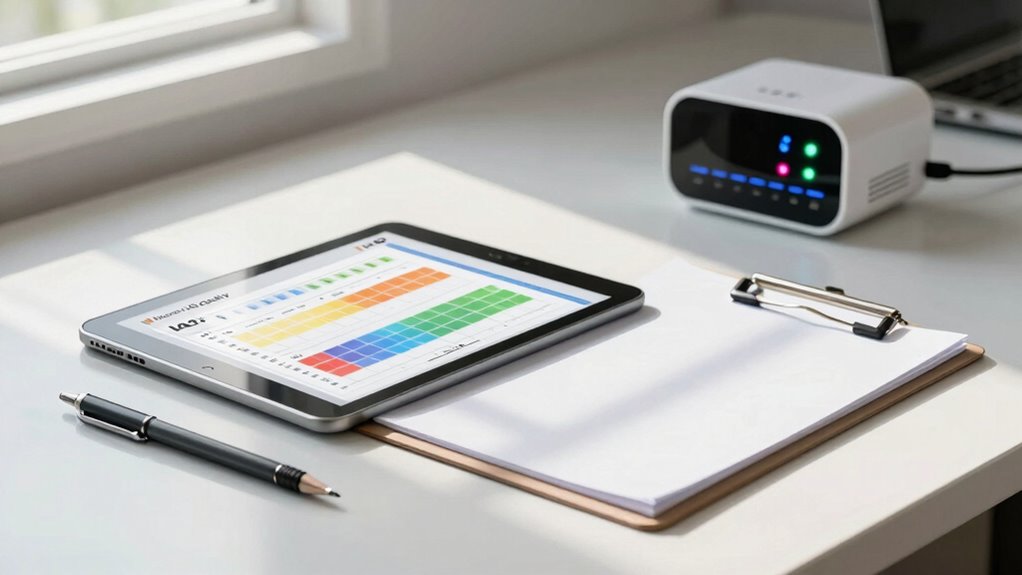
How Often Should You Review IAQ Logs? Less Random Than You’d Think
Discover the optimal IAQ log review frequency tailored to your space to ensure health, compliance, and early issue detection.
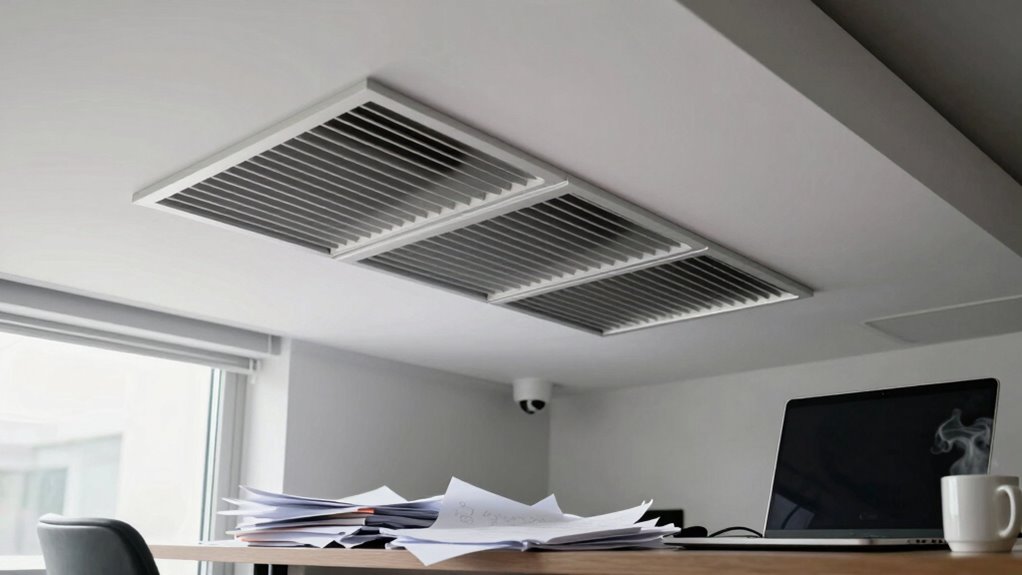
Sensors Near Vents Miss the Story You Actually Need
Placing sensors near vents can give you a false sense of indoor…
The “Clean Room” Feeling Often Doesn’t Match What Sensors Show
Sensors and senses often tell different stories about cleanliness—discover why your perception might not match the data and what it means.
Candles Can Distort Particle Trends Faster Than You’d Expect
Candle types and burning habits can quickly alter indoor particle levels, impacting air quality more than you might expect—find out how to protect your health.
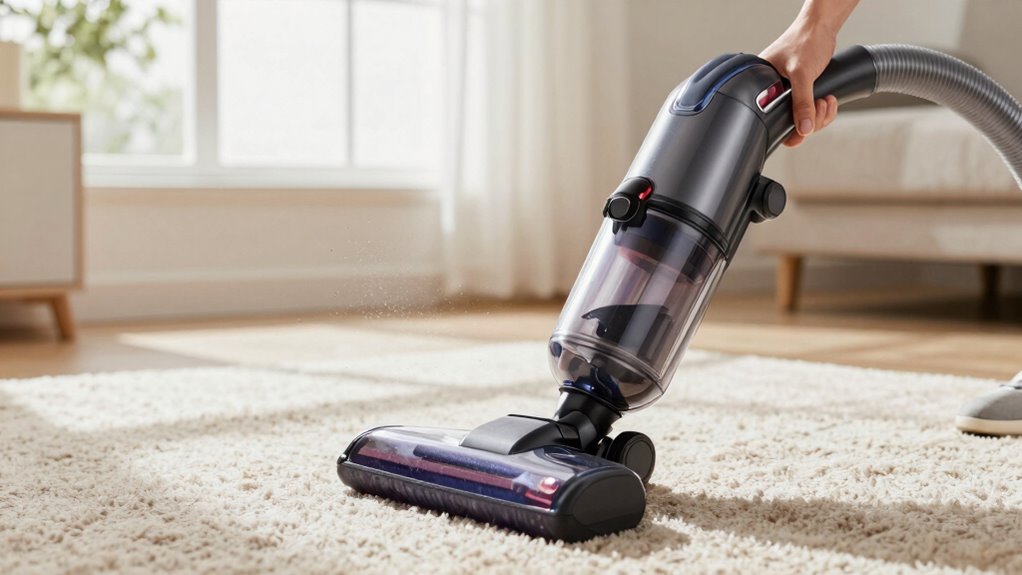
PM Spikes After Vacuuming Don’t Always Mean Your Vacuum Failed
Many PM spikes after vacuuming are normal, but understanding the causes and solutions can help you breathe easier—discover more insights here.
The Best Height for a Sensor Is Not Always Where It Looks Best
Discover why the optimal sensor height isn’t always the most visible or stylish spot and how to ensure it performs best.
Comparing Sensor Logs Across Rooms Can Reveal Hidden Airflow Problems
When comparing sensor logs across rooms, hidden airflow issues may be uncovered, prompting further analysis to ensure optimal indoor air quality and system performance.
Sensor Drift Gets Worse in Humid Homes If You Ignore This Pattern
Ineffective humidity management accelerates sensor drift, risking inaccurate data—discover how to protect your sensors before it’s too late.
Flat-Pack Furniture Can Change Formaldehyde Levels Room by Room
Protect your indoor air quality by understanding how flat-pack furniture influences formaldehyde levels differently across rooms, and discover ways to manage it effectively.