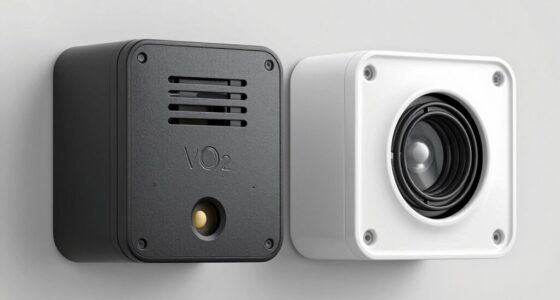
You can trust your humidity sensor when it provides consistent, stable readings that match what you expect from your environment. If the data suddenly changes, shows signs of malfunction, or doesn’t align with real conditions, it’s time to verify. Environmental factors like drafts, heat sources, or electromagnetic interference can affect accuracy. Keeping an eye on these signs helps ensure reliable measurements, and if you want to learn more about maintaining your sensor, keep exploring.

Get home appliances delivered free with Prime
- Fast, free delivery on millions of items
- Prime Video, Amazon Music and more included
- Member-only deals all year
Key Takeaways
- Trust sensor readings only if they are consistent over time and align with environmental expectations.
- Double-check after sudden humidity fluctuations or inconsistent data signals.
- Recalibrate or replace sensors showing signs of drift or malfunction.
- Ensure proper placement away from drafts, heat sources, and electromagnetic interference.
- Regularly inspect environmental conditions and sensor performance for reliable measurements.

Humidity sensors are valuable tools for maintaining ideal indoor conditions, but knowing when to trust their readings is vital. Over time, sensors can drift from their original calibration, leading to inaccurate measurements. Regular sensor calibration is essential to guarantee your device provides reliable data. If you notice sudden fluctuations or inconsistent readings, it’s a good idea to recalibrate the sensor or replace it altogether. Calibration typically involves comparing the sensor’s readings with a known, stable humidity standard and adjusting accordingly. Neglecting this step can cause you to base decisions on faulty data, which might impact comfort, health, or even the integrity of your environment.
Environmental interference is another factor that can skew humidity sensor readings. External elements such as drafts, direct sunlight, or nearby heat sources can cause the sensor to give false readings. For example, if a sensor is placed near a vent or an open window, it might register erratic humidity levels that don’t reflect the actual indoor conditions. Similarly, electronic devices with strong electromagnetic fields can interfere with sensor signals, leading to misleading data. To minimize environmental interference, position your sensor in a stable, representative spot—away from direct airflow, heat sources, or electrical noise. Proper placement helps guarantee the readings you rely on truly mirror the environment you’re monitoring. Additionally, understanding sensor calibration and environmental factors can help you make more informed decisions about your indoor climate, especially when considering sensor placement and environmental influences. Recognizing potential electromagnetic interference is also crucial for ensuring accurate sensor performance. Regularly inspecting your sensor’s surroundings and employing shielding techniques can further improve data accuracy.
digital humidity sensor calibration kit
As an affiliate, we earn on qualifying purchases.
As an affiliate, we earn on qualifying purchases.
Frequently Asked Questions
How Often Should I Calibrate My Humidity Sensor?
You should calibrate your humidity sensor every 6 to 12 months, depending on usage and environment. Proper sensor placement—away from direct sunlight, drafts, or moisture sources—can extend calibration intervals. Regular calibration guarantees accuracy, especially if you notice inconsistent readings. If your sensor is in a harsh or fluctuating environment, consider calibrating more frequently. Consistent calibration and good placement keep your humidity measurements reliable and precise.
Can Environmental Factors Affect Humidity Sensor Accuracy?
Ever wonder if environmental factors can skew your sensor readings? Yes, they can. External interference like drafts, direct sunlight, or nearby sources of moisture can impact accuracy. Proper sensor placement helps minimize these effects. Keep your sensor away from heat vents or windows, and regularly check for external interference. By doing so, you guarantee your humidity readings stay reliable, giving you confidence in your environmental control.
What Are Signs of a Faulty Humidity Sensor?
You’ll notice a faulty humidity sensor if readings are inconsistent or suddenly fluctuate without environmental changes. Regular sensor maintenance helps identify issues early. Use calibration techniques to verify accuracy; if readings remain off after calibration, the sensor may need replacement. Keep an eye out for signs like persistent errors, slow response times, or unusual alerts, and make certain you perform routine checks to maintain reliable, accurate humidity measurements.
Are Digital or Analog Sensors More Reliable?
You’ll find digital sensors generally more reliable due to their improved precision and easier calibration. Proper sensor placement guarantees accurate readings, so avoid areas with drafts or direct moisture. Regular calibration intervals help maintain reliability, whether you use digital or analog sensors. Keep these factors in mind, and you’ll get consistent, trustworthy humidity measurements. Double-check readings periodically, especially if your sensor is in a challenging environment or shows inconsistent data.
How Long Do Humidity Sensors Typically Last?
Humidity sensors usually last about 2 to 3 years, but this depends on proper sensor maintenance and calibration frequency. Regular calibration ensures accuracy, so don’t just rely on their initial lifespan; check and recalibrate as needed. If you notice inconsistent readings, it’s a sign to double-check or replace the sensor sooner. Proper care keeps your sensors reliable, helping you trust their readings longer.
indoor humidity monitor with calibration
As an affiliate, we earn on qualifying purchases.
As an affiliate, we earn on qualifying purchases.
Conclusion
So, next time your humidity readings seem off or you’re unsure about their accuracy, remember—trust your sensor, but don’t forget to double-check. Sometimes, the tiniest fluctuation can hide a bigger problem lurking beneath the surface. Will you catch it before it’s too late? Stay vigilant, stay curious, and keep questioning those numbers. After all, in the world of humidity, a little doubt might just save your day.
As an affiliate, we earn on qualifying purchases.
As an affiliate, we earn on qualifying purchases.
Fall yard work Picks
leaf blowers
As an affiliate, we earn on qualifying purchases.