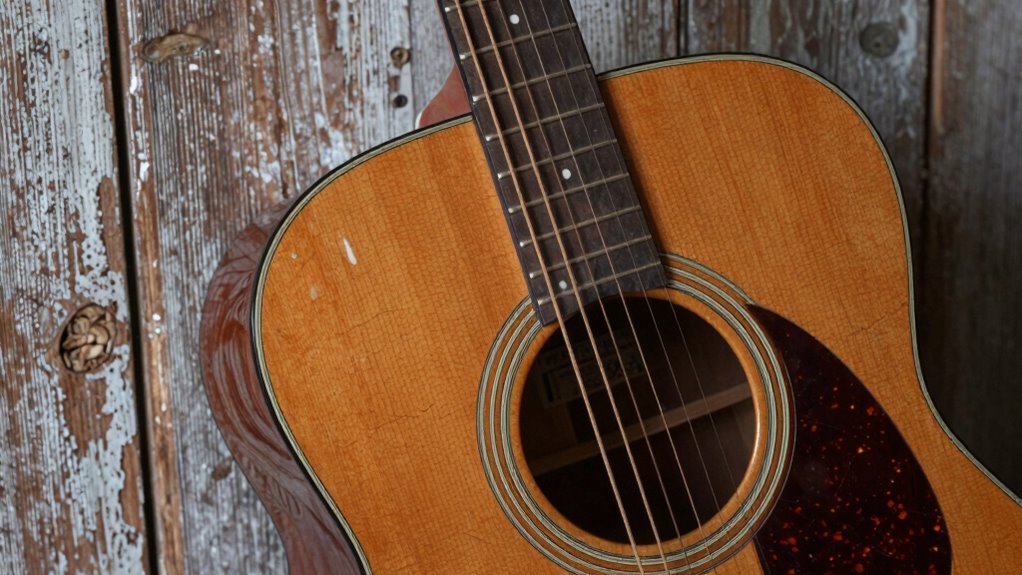
You might think your acoustic instrument can handle humidity changes, but it reacts faster than you expect. Even slight shifts in moisture cause wood to expand or contract, which affects tuning, tone, and can lead to cracks or warping. Rapid environmental changes can cause damage in a matter of hours or days. Staying on top of humidity levels and monitoring them regularly helps prevent costly repairs. Keep going to discover how to better protect your instruments from humidity damage.

Get home appliances delivered free with Prime
- Fast, free delivery on millions of items
- Prime Video, Amazon Music and more included
- Member-only deals all year
Key Takeaways
- Instruments can undergo rapid wood expansion or contraction due to sudden humidity shifts, affecting tuning and structural integrity.
- Small environmental changes can cause cracks or warping before owners notice visible signs.
- Quick fluctuations can alter sound quality and playability without immediate obvious symptoms.
- Monitoring tools enable early detection, preventing damage from rapid humidity changes.
- Proper storage and environmental control are essential to minimize the faster-than-expected reaction of instruments.
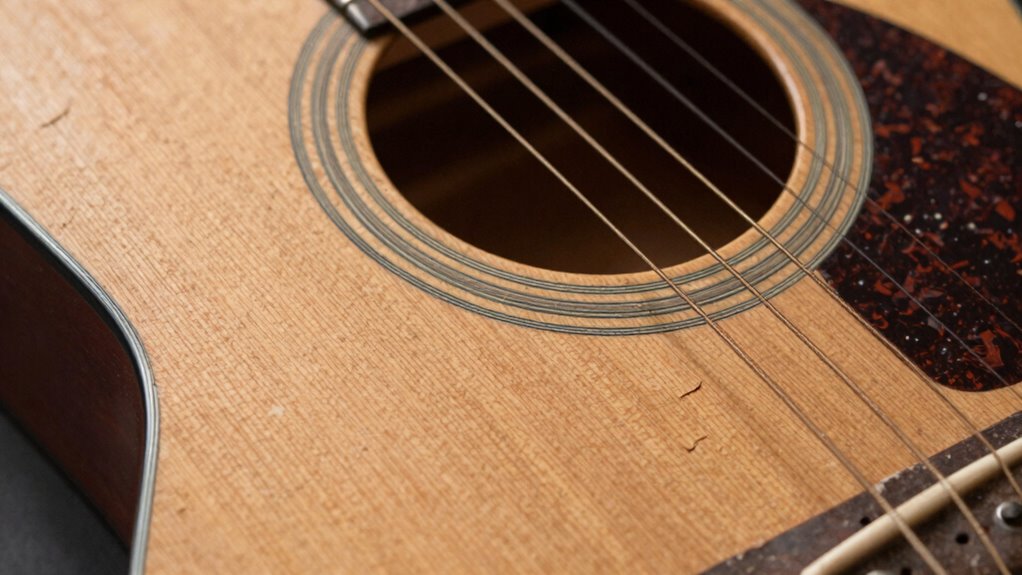
Humidity levels can considerably impact the sound and overall condition of acoustic instruments, making it essential for musicians to understand how these environmental changes affect their instruments. When you’re not paying close attention, fluctuations in humidity can cause your instrument to go out of tune, crack, or even warp. That’s why proper instrument storage is vital. You need a space where humidity levels are controlled, ideally between 40-60%, depending on the instrument. If you keep your guitar or violin in a room with unpredictable humidity, you risk damage that can be costly and difficult to repair. An effective way to prevent this is by investing in humidity monitoring tools. These devices give you real-time readings, alerting you when levels drift outside the safe zone. With humidity monitoring, you can take immediate action—whether it’s using a humidifier or dehumidifier—so your instrument stays in prime condition.
Understanding how quickly humidity can affect your instrument is key. Changes don’t have to be drastic to cause issues. Even a slight increase or decrease in moisture in the air can cause wood to expand or contract. This movement results in changes to the instrument’s tone and playability. For example, a guitar might become harder to tune, or a violin could develop cracks along its body or neck. These issues happen faster than most owners think, especially if they neglect proper storage and monitoring. Regularly checking humidity levels with monitoring devices helps you stay ahead of potential issues. It’s a simple step but makes a significant difference in preserving your instrument’s quality. If you find humidity levels fluctuate often, consider portable humidifiers or dehumidifiers to maintain a stable environment. Proper storage isn’t just about keeping your instrument safe; it’s about protecting your investment and ensuring ideal sound quality. Remember, a well-maintained instrument responds better when you play, stays in tune longer, and lasts for years. Being proactive with instrument storage and humidity monitoring isn’t just good practice—it’s essential. The faster you recognize how sensitive your acoustic instrument is to environmental changes, the better you can safeguard it. Don’t wait until you notice cracks or tuning issues to act; prevention is always the smarter choice. Keeping an eye on environmental conditions is crucial for long-term instrument health. Additionally, understanding the impact of humidity on wood can help you make more informed decisions about your storage environment. Maintaining proper humidity levels also helps to prevent wood warping and other structural issues that compromise sound quality and durability.
acoustic guitar humidity monitor
As an affiliate, we earn on qualifying purchases.
As an affiliate, we earn on qualifying purchases.
Frequently Asked Questions
How Can I Tell if My Instrument Is Reacting to Humidity?
You’ll notice your instrument reacting to humidity when it starts to feel or sound different, like warping, cracking, or buzzing. Use humidity sensors to monitor moisture levels regularly, and keep your instrument in protective cases with humidity control features. These measures help you catch changes early, preventing damage. By staying attentive to these signs and using proper tools, you can protect your instrument from humidity-related issues before they worsen.
Does Humidity Affect All Acoustic Instruments Equally?
Humidity affects all acoustic instruments, but not equally—think of it as different plants reacting uniquely to water. The impact depends on instrument material and environmental effects. Wooden instruments, for example, are more sensitive to humidity swings than metal ones. You should pay close attention to changes in tone, playability, or cracks, especially if your instrument’s material is more vulnerable, to prevent long-term damage.
What’s the Best Way to Monitor Humidity Levels at Home?
To effectively monitor humidity levels at home, you should invest in a reliable hygrometer. This helps with humidity control and guarantees your acoustic instruments stay in ideal condition. Place the hygrometer near your instrument storage area for accurate readings. Regularly check the humidity levels, ideally between 40-60%, and use a humidifier or dehumidifier as needed. Proper monitoring prevents damage and preserves your instruments’ sound quality over time.
Can Humidity Changes Damage My Instrument Permanently?
Yes, humidity changes can cause permanent damage to your instrument. Rapid shifts lead to humidity-induced cracking and uneven wood expansion, which can weaken the structure. When the wood expands and contracts repeatedly, it stresses the material, risking long-term harm. To protect your instrument, maintain consistent humidity levels. This prevents drastic changes, reduces the risk of cracking, and preserves the integrity of your instrument over time.
How Often Should I Adjust My Instrument for Humidity Fluctuations?
You should check and adjust your instrument for humidity fluctuations weekly, especially during seasonal changes. Proper instrument storage with humidity control is essential to prevent damage. Use a hygrometer to monitor moisture levels and consider a humidifier or dehumidifier in your storage area. Regular adjustments help maintain ideal conditions, protecting your instrument from warping or cracking caused by humidity swings. Staying proactive keeps your instrument in top shape longer.
As an affiliate, we earn on qualifying purchases.
Conclusion
So, next time you leave your acoustic out in a humid room, don’t act surprised when it suddenly sounds off. You’d think musicians would learn by now—these instruments are more sensitive than they look. Ironically, the very thing that gives your instrument its warmth can also be its undoing, and you might not even notice the subtle shifts until it’s too late. Keep an eye on humidity; your guitar’s patience has limits.
instrument hygrometer with alerts
As an affiliate, we earn on qualifying purchases.
As an affiliate, we earn on qualifying purchases.
As an affiliate, we earn on qualifying purchases.
Halloween Picks
halloween
As an affiliate, we earn on qualifying purchases.