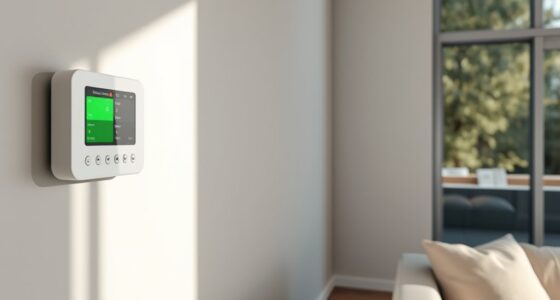
You should adjust alert thresholds based on each room’s unique environment and usage, not just the device’s standard settings. Every space has different conditions, like temperature and occupancy patterns, which influence what’s normal and what’s a warning. Relying only on device thresholds can cause false alarms or missed alerts. By considering room-specific factors, you can improve safety and comfort. Keep exploring to discover how incorporating environmental and contextual data makes your alert system smarter and more effective.

Get home appliances delivered free with Prime
- Fast, free delivery on millions of items
- Prime Video, Amazon Music and more included
- Member-only deals all year
Key Takeaways
- Different rooms have unique environmental conditions that influence normal device readings, requiring tailored alert thresholds.
- Context-aware thresholds reduce false alarms by considering room usage patterns and occupant behaviors.
- Environmental variability across spaces affects what is considered a normal or abnormal condition.
- Adaptive thresholds based on room-specific factors improve alert accuracy and safety.
- Relying solely on device thresholds ignores environmental and contextual factors that impact monitoring effectiveness.
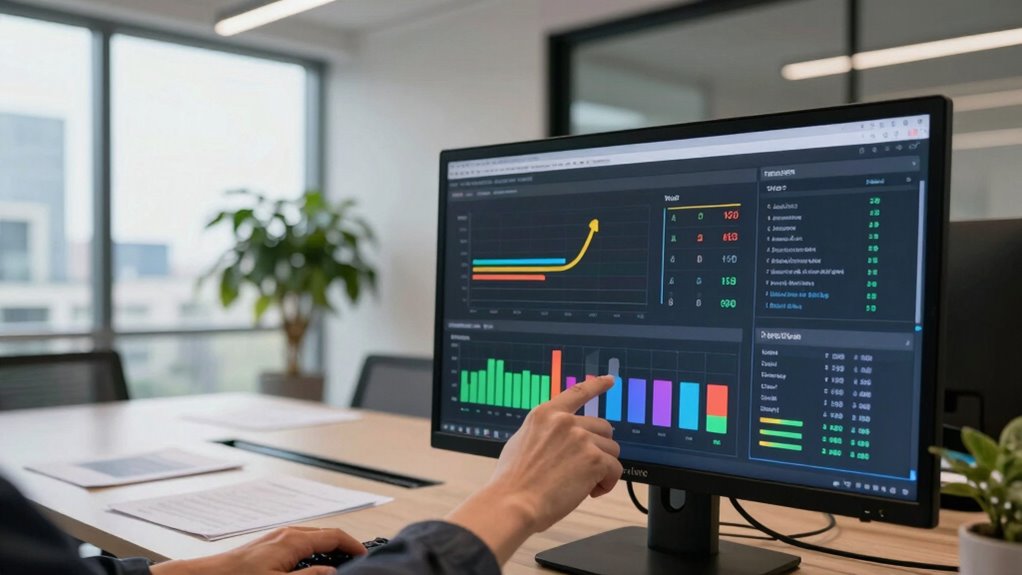
While setting alert thresholds based on individual devices is useful, it often overlooks the unique needs of different rooms. Each space in your home or office has its own characteristics that influence what constitutes a normal or abnormal condition. Relying solely on device-specific thresholds can lead to unnecessary alerts or missed warnings, especially if you don’t account for occupant behavior and environmental factors. For example, a temperature that triggers an alert in a bedroom might be perfectly normal in a kitchen where cooking or appliances generate heat. Recognizing these environmental variability differences helps you create smarter, more accurate alert systems. Additionally, understanding contextual factors allows you to fine-tune alerts to better reflect the natural fluctuations in each room. Incorporating these industry insights ensures your alert system adapts to real-world conditions more effectively. Considering room-specific conditions can further optimize alert thresholds, reducing false alarms and enhancing overall safety and comfort, especially when you incorporate environmental data into your monitoring strategies.
Products Worth Considering

Blueair Blue Pure 211i Max Smart Air Purifier for Large Rooms

Samsung 48-Inch S90H OLED 4K Smart TV (2026)

Samsung 42-Inch S90H OLED 4K Smart TV Bundle
As an affiliate, we earn on qualifying purchases.
Frequently Asked Questions
How Do Room-Specific Thresholds Improve Safety and Comfort?
Room-specific thresholds enhance safety and comfort by tailoring settings based on personalization insights and user preferences. You can set different temperature or lighting levels for each room, ensuring a cozy environment or alerting you to potential hazards like smoke or carbon monoxide. By customizing these thresholds, you stay more comfortable and safe, as your system responds precisely to each room’s needs, creating a more efficient and personalized home environment.
What Challenges Exist in Implementing Room-Based Alert Thresholds?
Have you considered the complexities of implementing room-based alert thresholds? Device calibration becomes tricky since each device must accurately reflect room conditions, not just its own readings. Data integration poses another challenge, as you need seamless communication between sensors and control systems to set precise thresholds. Ensuring these systems work together smoothly demands effort, but it’s essential for creating a safe, comfortable environment tailored to each room’s unique needs.
Can Room-Based Thresholds Adapt to Seasonal or Occupancy Changes?
Yes, room-based thresholds can adapt to seasonal adjustments and occupancy monitoring. You can program them to automatically modify alert levels based on expected seasonal changes, like temperature drops in winter. Additionally, occupancy monitoring helps fine-tune thresholds by detecting when rooms are in use or vacant, ensuring alerts stay relevant and prevent false alarms. This dynamic approach makes your system more responsive and efficient throughout the year.
How Do Room-Specific Thresholds Impact Device Battery Life?
Room-specific thresholds can actually enhance device battery life by enabling better device calibration and targeted alerts. While some might worry about increased complexity, customizing thresholds helps reduce unnecessary alerts, conserving battery. By fine-tuning settings for each room, you optimize device performance and minimize power drain. This personalized approach leads to more efficient battery use, ensuring your devices last longer while maintaining accurate, room-specific monitoring.
What Data Is Needed to Set Effective Room-Specific Alert Thresholds?
To set effective room-specific alert thresholds, you need sensor calibration data to understand each sensor’s accuracy and behavior. Additionally, you should gather data integration from various sensors across the room—like temperature, humidity, and occupancy—to identify patterns. This combined data helps you tailor thresholds for each room, ensuring alerts are relevant and timely, ultimately improving system performance and reducing false alarms.
Conclusion
Imagine a hospital where each patient room has tailored alert thresholds based on usage and occupancy. When a nurse receives an alert, it’s more accurate—preventing unnecessary alarms or missed issues. By shifting from device-based to room-based thresholds, you enhance safety and efficiency. This approach guarantees alerts are relevant, reducing alarm fatigue and improving patient care. Embracing room-specific thresholds isn’t just smarter—it’s essential for modern, responsive healthcare environments.