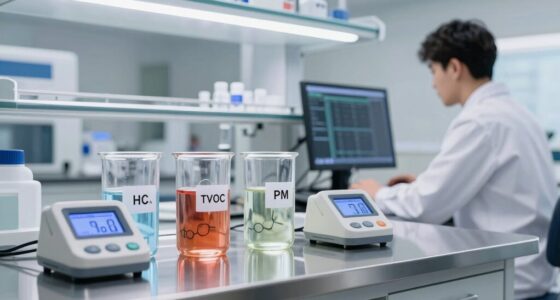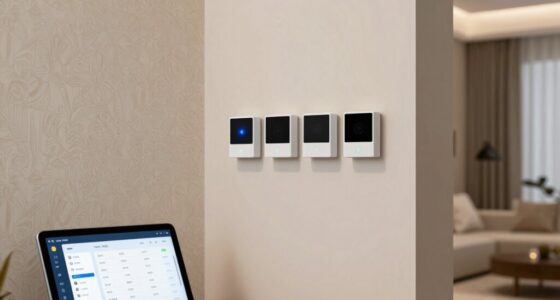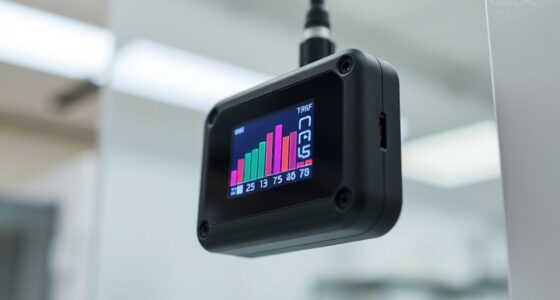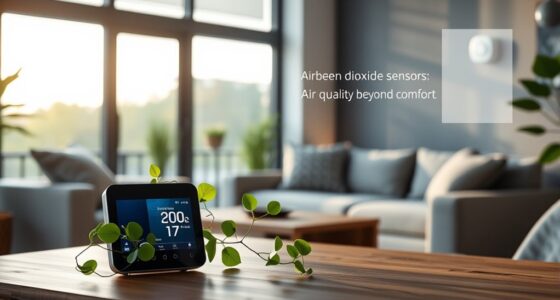
To monitor indoor air quality during holiday parties, use portable air quality monitors to track VOCs, humidity, and particulate matter in real time. Keep an eye on signs like stuffy air or unpleasant odors, and increase ventilation if levels rise by opening windows or turning on exhaust fans. Using air purifiers and choosing low-emission decor can also help sustain a healthy environment. Stay aware of how your space feels, and you’ll discover simple ways to ensure everyone stays comfortable and safe.

Get home appliances delivered free — and shop member deals
- Fast, free delivery on millions of items
- Access to Prime Big Deal Days deals on October 6–7
- Prime Video, Amazon Music and more included
Key Takeaways
- Use portable air quality monitors to track VOCs, humidity, and particulate matter during the event.
- Regularly assess air feel and smell to identify potential pollution buildup.
- Increase ventilation, such as opening windows or activating exhaust fans, when pollutant levels rise.
- Choose low-emission products and avoid scented candles to minimize indoor pollutants.
- Adjust ventilation and air purification based on real-time data for optimal indoor air quality.
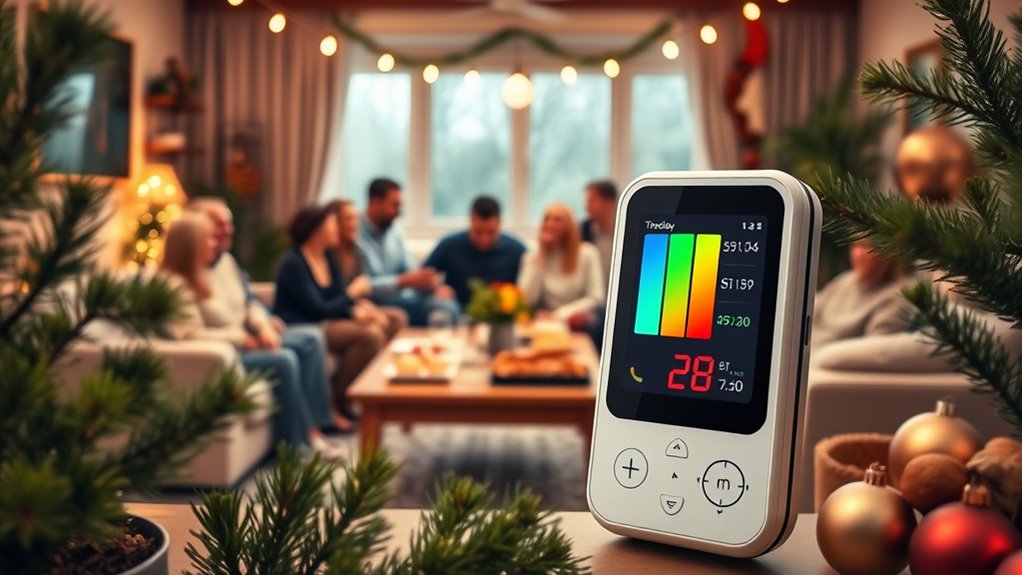
During holiday parties, indoor air quality can substantially impact your comfort and health. When hosting or attending gatherings, it’s easy to overlook how air pollutants accumulate as more people fill the space. Poor ventilation allows these pollutants to linger longer, making the environment uncomfortable and potentially harmful. To guarantee everyone enjoys the celebration safely, you need to be mindful of ventilation strategies and pollutant sources. Adequate ventilation helps dilute and remove airborne contaminants, reducing their concentration and improving air quality. This can involve simple measures like opening windows and doors or using exhaust fans and air purifiers. These strategies are especially important during busy holiday seasons when multiple guests are present, and the air can quickly become stuffy or contaminated.
Good ventilation during holiday gatherings reduces pollutants and keeps indoor air fresh and healthy.
Pollutant sources are varied and often hidden, but understanding them is key to monitoring indoor air quality effectively. Common sources include cooking fumes, cleaning products, candles, and even the materials used in decorations. For instance, cooking in the kitchen releases smoke, grease particles, and volatile organic compounds (VOCs), which can drift into the main party area if ventilation isn’t sufficient. Similarly, scented candles and air fresheners emit VOCs that can irritate respiratory systems or trigger allergies. Even new furniture or carpeting can off-gas chemicals, adding to indoor pollutants. Recognizing these sources allows you to take proactive steps, such as increasing ventilation when cooking or choosing unscented, low-emission products for decorations. Additionally, proper ventilation techniques can significantly improve air quality during your gathering.
Monitoring indoor air quality during your holiday gathering involves paying close attention to how the air feels and smells. If the room feels stuffy, smells unpleasant, or guests start coughing or sneezing, these are signs that pollutant levels could be rising. Using portable air quality monitors can give you real-time data on factors like VOC levels, humidity, and particulate matter. This technology helps you identify problematic areas or times during the event, so you can adjust ventilation accordingly. For example, if you notice a spike in pollutants during meal preparation, opening windows or turning on exhaust fans can help clear the air quickly. Maintaining a comfortable and healthy environment isn’t just about comfort; it’s about safeguarding everyone’s wellbeing, especially for those with respiratory issues or allergies.
In short, monitoring indoor air quality during holiday parties requires a combination of awareness and action. By understanding pollutant sources and employing effective ventilation strategies, you can create a safer, more comfortable space for your guests. Keep an eye on how the air feels, use appropriate devices if needed, and don’t hesitate to increase airflow when problems arise. This way, you ensure that your festive gathering remains joyful without compromising anyone’s health or comfort.
portable air quality monitor for VOCs
As an affiliate, we earn on qualifying purchases.
As an affiliate, we earn on qualifying purchases.
Frequently Asked Questions
How Can I Improve Air Circulation During a Party?
To improve air circulation during your party, focus on effective ventilation strategies and airflow enhancement. Open windows and doors to create natural cross-ventilation, allowing fresh air to flow freely. Use fans strategically to direct airflow throughout the space, avoiding stagnant areas. If possible, upgrade your HVAC system or add portable air purifiers with ventilation features. These steps will keep the air fresh, reduce pollutants, and make your guests more comfortable.
What Are the Best Air Purifiers for Large Gatherings?
For large gatherings, look for air purifiers with advanced air purifier technology and high particle filtration efficiency. Choose models equipped with HEPA filters, which effectively capture allergens, dust, and airborne viruses. Prioritize units with a high Clean Air Delivery Rate (CADR) to guarantee ample air circulation. Position several purifiers around the space to maximize coverage, creating a healthier environment for your guests during the holiday festivities.
How Do I Detect Hidden Sources of Indoor Pollutants?
You think your home’s clean? Think again. To detect hidden pollutant sources, you’ll need odor detection methods like smoke tests or handheld air quality monitors. These tools help you sniff out sneaky sources like mold, VOCs, or off-gassing from furniture. Regularly checking vents, behind furniture, and using sensitive detectors guarantees you don’t breathe in pollutants disguised as holiday cheer. Stay vigilant; your lungs will thank you.
Are There Natural Ways to Reduce Indoor Odors?
Yes, you can naturally reduce indoor odors by enhancing natural ventilation, like opening windows and doors to let fresh air in. Additionally, aromatherapy diffusion with essential oils such as lavender or citrus can mask unpleasant smells and create a pleasant atmosphere. These methods are effective, safe, and eco-friendly, making your space more inviting during holiday gatherings without relying on chemical air fresheners.
How Often Should Air Quality Be Monitored During Events?
You should monitor air quality continuously during your event using air quality sensors to keep pollutant levels in check. It’s best to check them regularly, especially if you notice any odors or discomfort. For maximum safety, consider monitoring at least every 30 minutes, and more often if the space gets crowded or if sources of pollution are present. This helps you ensure a healthy environment for all your guests.
indoor air purifier for holiday gatherings
As an affiliate, we earn on qualifying purchases.
As an affiliate, we earn on qualifying purchases.
Conclusion
As you host your holiday gathering, think of the air around you as a silent guest. Keep it fresh and lively by monitoring and improving indoor air quality. With each breath, you’re filling your space with the spirit of health and happiness. Just like stringing lights, caring for your air creates a warm, inviting atmosphere everyone will enjoy. So, breathe easy and let your holiday cheer shine as bright as the air you share.
As an affiliate, we earn on qualifying purchases.
As an affiliate, we earn on qualifying purchases.
Fall yard work Picks
leaf blowers
As an affiliate, we earn on qualifying purchases.