Houseplants can help lower VOC levels indoors by absorbing pollutants through their leaves and roots, especially certain species like snake plants and peace lilies. However, their impact is limited—they can’t fully eliminate high VOC concentrations and work best alongside ventilation and air purifiers. To truly improve your indoor air quality, it’s important to combine strategies. Interested in understanding how much these plants can really make a difference and what their limitations are? Keep exploring to find out more.
Key Takeaways
- Houseplants can absorb some VOCs, improving indoor air quality, but their impact is generally limited.
- Plants like snake plant, pothos, and peace lily are particularly effective at filtering airborne toxins.
- Their VOC reduction capacity depends on plant size, number, and proper air circulation.
- Houseplants alone cannot fully eliminate high VOC levels; ventilation and air purifiers are also necessary.
- Relying solely on plants for air purification may provide a false sense of complete VOC removal.

Indoor air quality can greatly improve when you add houseplants to your space. Not only do they add a touch of greenery, but they also play a role in air purification by absorbing certain pollutants, including volatile organic compounds (VOCs). VOCs are chemicals emitted from products like paints, cleaning supplies, and furniture, which can cause health issues ranging from headaches to more serious respiratory problems. By choosing the right plants, you can potentially reduce these harmful substances indoors.
When it comes to plant selection, some species are better suited for filtering VOCs than others. Research suggests that plants like the snake plant, pothos, and peace lily are particularly effective at taking in VOCs through their leaves and roots. These plants are known to have a higher capacity for absorbing airborne toxins, making them a smart choice if your goal is to improve indoor air quality. Keep in mind that the amount of VOCs a plant can remove depends on factors like plant size, number of plants, and overall air circulation. You don’t need dozens of plants, but having several of the right species can make a noticeable difference in air purification efforts.
However, it’s important to recognize the limitations of houseplants in reducing VOCs. While they do contribute to cleaner air, they shouldn’t be your only strategy. The levels of VOCs in most homes are often too high for plants to fully eliminate on their own. You’ll want to combine plant placement with other methods, such as increasing ventilation, using air purifiers, and minimizing VOC-emitting products. It’s also worth noting that some plants require specific care to thrive and effectively perform their air purification role. Neglecting their needs could diminish their ability to absorb toxins and may even lead to mold or other issues, which could worsen indoor air quality.
Additionally, understanding air circulation and how it impacts the effectiveness of houseplants can help optimize their benefit. Ultimately, houseplants can be a valuable component in an all-encompassing approach to improving indoor air quality. They add aesthetic appeal and contribute to air purification, especially when you select the right plants for VOC absorption. Just keep realistic expectations—plants are a helpful supplement, not a complete solution. Combining plant selection with good ventilation and other air quality practices will give you the best chance of creating a healthier indoor environment.

2 Pack Core Mini Filter H13 True HEPA Filters for LEVOIT Core Mini Core Mini-P Air Purifier Replacement Filter 3-in-1 HEPA, High-Efficiency Activated Carbon, Replace Part Core Mini-RF
- Compatible Model: Fits LEVOIT Core Mini Air Purifier
- Valuable Set: Includes 2 filters for extended use
- High-Efficiency Filtration: H13 True HEPA filters 99.97% particles
As an affiliate, we earn on qualifying purchases.
Frequently Asked Questions
Which Specific Houseplants Are Most Effective at Removing VOCS?
You should consider plant species like snake plants, pothos, and peace lilies for effective VOC absorption. These popular houseplants excel at removing common VOCs such as formaldehyde, benzene, and trichloroethylene from indoor air. Their leaf structures and natural processes make them particularly good at filtering out airborne toxins. Incorporate these species into your home to improve air quality, but remember, their effectiveness varies based on size and conditions.
How Many Houseplants Are Needed to Significantly Reduce VOC Levels?
Imagine a small army of plants working tirelessly—you’ll need about one plant per 100 square feet to make a noticeable impact on VOC levels. To achieve this, regular plant maintenance is essential to keep them healthy and effective. Using VOC measurement techniques, you can track progress and determine if your plant army is enough. Remember, balancing plant quantity with proper care maximizes VOC reduction efficiently.
Do Houseplants Work Better Indoors or in Semi-Outdoor Spaces?
Houseplants work better indoors because they thrive in stable conditions with limited air circulation, which helps them absorb VOCs effectively. In semi-outdoor spaces, fluctuating weather and higher air circulation can hinder their ability to improve air quality. To keep your plants healthy and maximize VOC reduction, ensure good plant health and proper air circulation around them. This creates an ideal environment for your plants to clean the air effectively.
How Long Does It Take for Houseplants to Impact VOC Concentrations?
It can take several weeks to months for houseplants to noticeably impact VOC concentrations. As your plant grows, its roots influence soil chemistry, aiding in VOC absorption and breakdown. Consistent care enhances plant health and growth, which improves their ability to clean indoor air. Keep in mind, the process is gradual, and factors like plant type and environment play vital roles in how quickly VOCs are reduced.
Can Houseplants Replace Air Purifiers for VOC Removal?
You can’t rely on houseplants alone to replace air purifiers for VOC removal. While they provide natural air filtration and can improve indoor air quality, their ability to eliminate VOCs is limited and slow. Proper plant maintenance is essential, but for effective VOC reduction, use mechanical air purifiers alongside houseplants. Combining both approaches offers better indoor air quality than depending solely on plants.
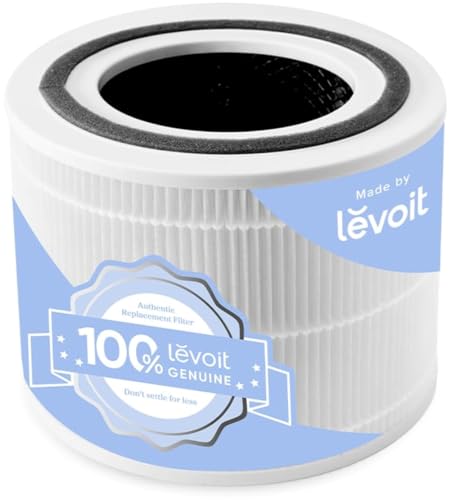
Levoit Core 300-P Air Purifier Replacement Filter, Genuine Air Filters
- Genuine Replacement Filter: Designed for Core 300-P and 300S-P
- Long-Lasting Performance: Replace every 6-8 months for optimal use
- HEPA Performance in Sleep Mode: Ultra-quiet operation during sleep
As an affiliate, we earn on qualifying purchases.
Conclusion
So, you might think houseplants will turn your home into a VOC-free paradise, but don’t hold your breath. While they *can* help a bit, relying solely on plants is like expecting a tiny sponge to clean a flood. Ironically, those lush leaves you cherish might not be the VOC-fighting heroes you hoped for. Instead, combine good ventilation and air purifiers for real results—because sometimes, nature’s solutions just aren’t enough.

LEVOIT Air Purifier for Home Allergies and Pets Hair Smokers in Bedroom, H13 True HEPA Filter, 24db Filtration System Cleaner Odor Eliminators, Remove 99.97% Dust Smoke Mold Pollen, Core 300, White
- AHAM Verified for Performance: Independently tested for quality and efficiency
- Powerful Filtration System: 56W motor with 143 CFM CADR
- Effective Air Cleaning: Removes 99.97% dust, smoke, mold, pollen
As an affiliate, we earn on qualifying purchases.

PuroAir Air Purifier 100i Smart HEPA Air Purifiers for Home Pets - Portable Small Air Purifier Filters up to 550 Ft² of Pollutants, Smoke, Pollen, Dust - Room Air Purifiers for Bedroom, Baby, Office
- Cleans up to 550 sq ft quickly: Cleans rooms up to 550 sq ft in one hour
- Advanced 3-layer filtration: Filters 99.9% of pollutants with HEPA, pre-filter, activated carbon
- Effective for allergies and pets: Reduces pet dander, hair, and indoor pollutants
As an affiliate, we earn on qualifying purchases.