
During wildfire smoke events, you need to protect your pets’ respiratory health by keeping them indoors in sealed, well-ventilated rooms. Use air purifiers with HEPA filters and wipe their paws after outdoor time to remove toxins. Limit outdoor activities and watch for signs of breathing trouble like wheezing or lethargy. Staying up-to-date with air quality and taking these steps can make a big difference—continue to learn how to keep your pets safe during smoke events.

Get home appliances delivered free — and shop member deals
- Fast, free delivery on millions of items
- Access to Prime Big Deal Days deals on October 6–7
- Prime Video, Amazon Music and more included
Key Takeaways
- Keep pets indoors in well-sealed rooms with air purifiers to reduce exposure to harmful smoke particles.
- Limit outdoor activities and avoid walks during heavy smoke or ash presence.
- Monitor pets closely for respiratory symptoms like coughing, wheezing, or labored breathing.
- Wipe paws, fur, and faces after outdoor exposure to remove toxins and reduce inhalation risks.
- Stay informed about air quality levels and adjust pet care routines accordingly for optimal safety.
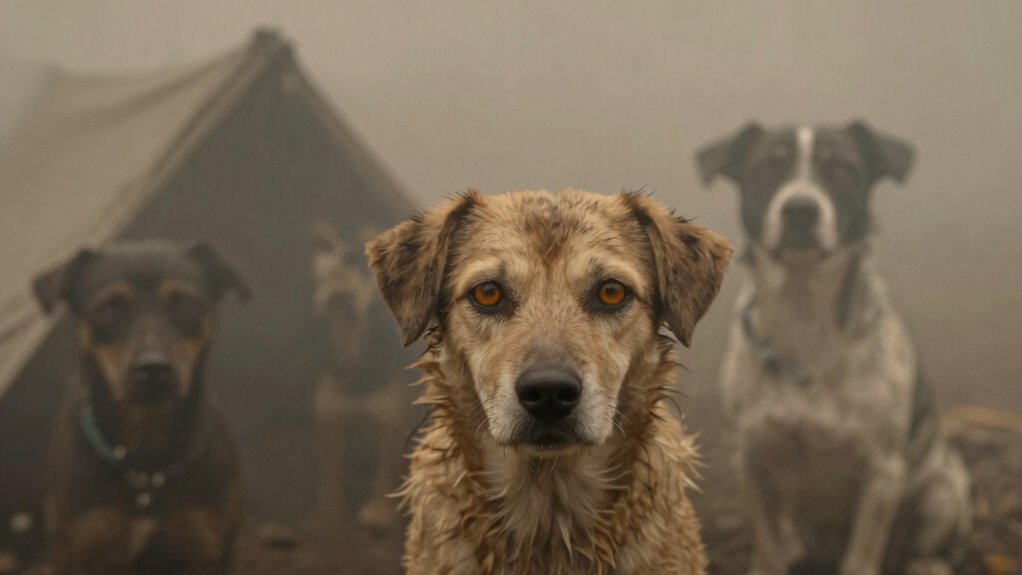
Have you ever wondered how wildfire smoke affects your pets? When smoke fills the air during a wildfire, it doesn’t just make the sky look ominous—it also impacts the air quality around you and your furry friends. Unlike humans, pets can’t always communicate when they’re uncomfortable or having trouble breathing, so it’s essential to understand how the smoke impacts their respiratory health. Smoke contains tiny particles and chemicals that can irritate their lungs and airways, leading to coughing, sneezing, and labored breathing. Prolonged exposure can even cause more severe issues, especially for animals with pre-existing respiratory conditions, such as asthma or bronchitis. That’s why paying attention to air quality is crucial during wildfire events, as it directly affects your pet’s well-being. Good indoor air quality is especially important because air quality can deteriorate indoors if proper precautions aren’t taken. Maintaining indoor air quality through filtration and ventilation can significantly reduce health risks for your pets.
Wildfire smoke harms pets’ lungs and airways, causing coughing, difficulty breathing, and worsening pre-existing conditions.
You might think that keeping your pet indoors is enough, but the quality of indoor air can also degrade if you don’t take certain precautions. Smoke particles can seep through open windows, doors, or poorly sealed vents, making indoor air just as compromised as outside. To protect your pets’ respiratory health, you should keep them in a well-ventilated but sealed room, ideally with an air purifier equipped with a HEPA filter. These devices can help remove harmful particles and allergens from the air, reducing the risk of respiratory distress. Make sure your pet has access to fresh water, as hydration helps keep their airways moist and better able to handle irritants.
It’s also important to limit your pet’s outdoor time during periods of heavy smoke. If it’s necessary for them to go outside, keep outings short and avoid areas with heavy smoke or ash. After walks, wipe their paws and fur to prevent them from ingesting any lingering toxins. Observe your pets closely for signs of respiratory distress, such as rapid breathing, wheezing, or lethargy, and seek immediate veterinary care if you notice any of these symptoms.
In addition to breathing issues, wildfire smoke can also affect your pet’s overall health, causing stress and weakening their immune system. The key to protecting them is staying informed about air quality levels in your area, minimizing their exposure, and providing a safe, clean environment indoors. By taking these steps, you’re not only safeguarding their respiratory health but also ensuring they remain comfortable and safe during wildfire seasons.
As an affiliate, we earn on qualifying purchases.
Frequently Asked Questions
Can Wildfire Smoke Cause Long-Term Health Issues in Pets?
Wildfire smoke can cause long-term health issues in your pets, especially affecting their respiratory health. Poor air quality from smoke exposure irritates their lungs and airways, leading to chronic problems like coughing, wheezing, or even more severe conditions over time. To protect your pets, limit outdoor activities during smoky days, keep indoor air clean with filters, and watch for signs of respiratory distress, ensuring their long-term health stays intact.
Are Certain Dog Breeds More Vulnerable to Wildfire Smoke?
Did you know that brachycephalic breeds, like Bulldogs and Pugs, are up to 50% more vulnerable to respiratory issues from wildfire smoke? Breed susceptibility and canine vulnerabilities vary, making some breeds more prone to smoke-related health problems. These dogs often have compromised airways, so they struggle to breathe easily during smoky conditions. You should closely monitor these breeds, limit outdoor exposure, and consult your vet for tailored protection strategies.
How Does Wildfire Smoke Affect Small or Exotic Pets Differently?
Wildfire smoke impacts small and exotic pets differently because their tiny bodies are more vulnerable to poor air quality. You might notice signs of respiratory distress faster in these pets, such as wheezing, coughing, or lethargy. To protect their respiratory health, keep their environment as smoke-free as possible, use air purifiers, and limit outdoor exposure. Monitoring their behavior and consulting your vet promptly can prevent serious health issues.
What Signs Indicate a Pet Is Suffering From Smoke Inhalation?
Signs to watch for include coughing, wheezing, rapid or labored breathing, and eye or nose irritation. If you notice these symptoms, act quickly with immediate first aid: move your pet to fresh air, keep them calm, and contact your vet immediately. Monitoring your pet closely helps catch smoke inhalation early, reducing health risks, and ensuring they get the care they need promptly.
Should I Change My Pet’s Diet During Wildfire Season?
Think of your pet’s diet as their armor against wildfire season. You should consider diet adjustments that boost their immune system, like adding antioxidants or omega-3 fatty acids. Providing proper nutritional support helps counteract the stress and potential toxins from smoke exposure. Consult your vet to tailor the best plan, ensuring your furry friend stays strong and resilient during smoky months.
As an affiliate, we earn on qualifying purchases.
Conclusion
As you shelter your pets from wildfire smoke, remember you’re tending to a fragile garden in a storm. Their health depends on your vigilance and care, shielding them from invisible dangers that can cause unseen harm. By taking proactive steps, you serve as their sturdy fence—protecting their well-being amidst chaos. With your attentive hand, you guarantee their safety, turning a threatening wildfire into just a passing shadow in their lives.
indoor air purifier for wildfire smoke
As an affiliate, we earn on qualifying purchases.
As an affiliate, we earn on qualifying purchases.
As an affiliate, we earn on qualifying purchases.
Halloween Picks
halloween
As an affiliate, we earn on qualifying purchases.