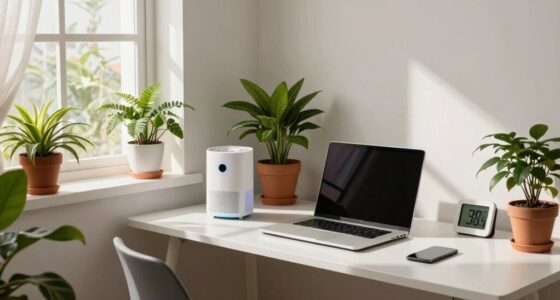
To improve air quality in your small apartment, start by adding indoor plants like snake plants or peace lilies to naturally filter toxins. Use air purifiers with HEPA filters to capture dust and pollutants, and guarantee good ventilation by opening windows when air quality outside is good. Minimize indoor pollution by choosing natural cleaning products and avoiding scented candles or sprays. Keep an eye on airflow and eliminate sources of indoor pollution—if you want more tips, keep exploring.

Get home appliances delivered free with Prime
- Fast, free delivery on millions of items
- Prime Video, Amazon Music and more included
- Member-only deals all year
Key Takeaways
- Incorporate indoor plants like snake plants and pothos to naturally purify indoor air.
- Use HEPA air purifiers continuously to remove allergens, dust, and pollutants effectively.
- Minimize pollution sources by choosing natural cleaning products and avoiding aerosol sprays.
- Enhance ventilation with exhaust fans and open windows when outdoor air quality is good.
- Regularly clean and dust to reduce indoor allergens and improve overall air quality.
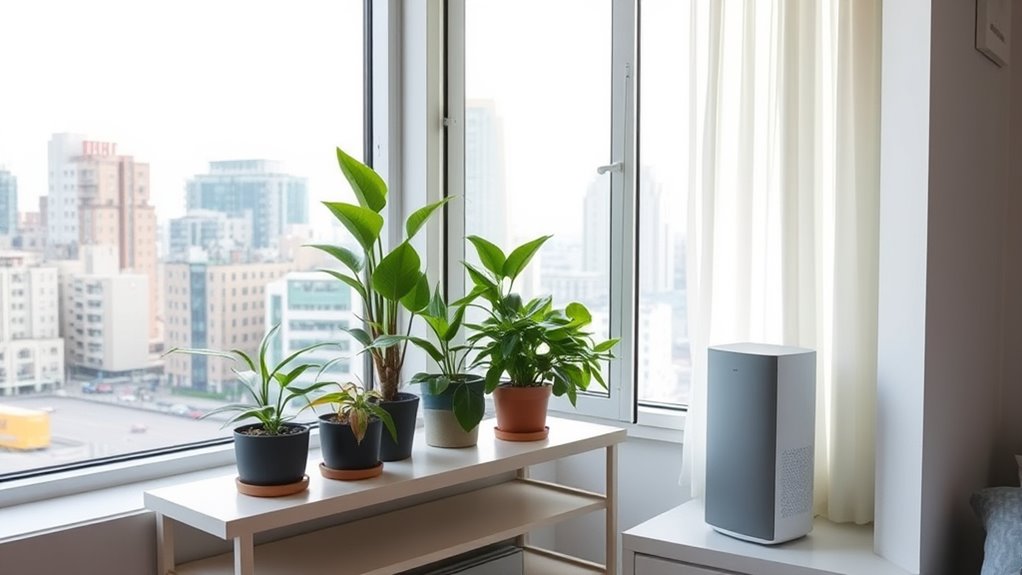
Good air quality is essential for your health and well-being, especially as pollutants can easily affect your daily life. Living in a small apartment or in an urban setting often means dealing with limited space and higher exposure to pollutants from traffic, cooking, and indoor sources. Fortunately, there are simple steps you can take to improve your air quality without cluttering your space. One effective way is to incorporate indoor plants into your environment. Not only do they add a touch of nature and aesthetic appeal, but many indoor plants also act as natural air purifiers. Plants like snake plants, pothos, and peace lilies can absorb toxins such as formaldehyde, benzene, and trichloroethylene, helping to clean the air you breathe. Placing a few strategically around your apartment can markedly reduce airborne pollutants, especially in areas where ventilation might be limited.
Indoor plants like snake plants, pothos, and peace lilies naturally purify the air in small apartments and urban spaces.
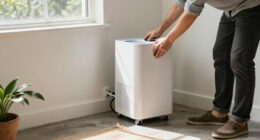
Alongside indoor plants, investing in a good air purifier can make a noticeable difference. Modern air purifiers are designed to remove particulate matter, allergens, and even some bacteria and viruses from the air. Look for models with HEPA filters, which are highly effective at trapping tiny particles like dust, pet dander, and pollen. If you’re living in a city with high pollution levels, an air purifier can help filter out harmful pollutants that enter your living space through windows or ventilation systems. Keep your air purifier running consistently, especially in bedrooms and living rooms, to maintain a cleaner environment. Combining this with proper ventilation, like opening windows when outdoor air quality is good, can further improve indoor air freshness.
Another tip is to minimize sources of indoor pollution. Be mindful of the products you use daily—opt for natural cleaning supplies and avoid aerosol sprays or heavily scented candles that can release volatile organic compounds (VOCs). Regularly dust and vacuum your apartment to reduce dust mites and pet dander, which can worsen indoor air quality. If you have pets, grooming them frequently helps reduce pet hair and dander in the air. Also, avoid smoking indoors, as tobacco smoke is a major indoor air pollutant that can linger and cause health issues.
Finally, maintaining good airflow is key. Use exhaust fans in the kitchen and bathroom to vent out moisture and pollutants. Keep windows open when outdoor air quality permits, and consider using window filters or screens to prevent outdoor pollutants from entering. Being aware of indoor air quality monitoring can help you make better decisions about when to ventilate or use air purifiers. By integrating indoor plants, utilizing air purifiers, and controlling indoor pollution sources, you can considerably improve your apartment’s air quality and enjoy a healthier, more comfortable living space.
HEPA air purifier for small apartments
As an affiliate, we earn on qualifying purchases.
As an affiliate, we earn on qualifying purchases.
Frequently Asked Questions
How Often Should I Replace My Air Purifier Filters?
You should replace your air purifier filters every 3 to 6 months to guarantee optimal filter maintenance and maximize your purifier’s lifespan. Check your manufacturer’s instructions for specific recommendations, as some filters need more frequent changes, especially if you have pets or allergies. Regularly replacing filters keeps your air clean and improves efficiency, preventing dust buildup and ensuring your purifier continues working effectively in your small apartment or urban environment.
Can Indoor Plants Really Improve Air Quality in Small Apartments?
Indoor plants can definitely improve air quality in small apartments. They offer plant benefits like natural air purification by absorbing toxins and releasing oxygen. You’ll notice cleaner, fresher air as plants help reduce pollutants and humidity levels. To maximize these benefits, choose easy-care plants like snake plants or pothos, and keep them healthy with proper watering and light. Incorporating plants is a simple, effective way to boost your indoor air quality.
What Are the Best Ventilation Options for Urban Apartments?
You can maximize airflow optimization by using window ventilation, which often proves most effective in urban apartments. Opening windows regularly allows fresh air in, reducing indoor pollutants and humidity. Consider installing window vents or exhaust fans to enhance ventilation when outdoor air quality isn’t ideal. This simple step can dramatically improve air quality, making your space healthier and more comfortable. Don’t underestimate the power of good ventilation—your lungs will thank you.
How Do Cooking Habits Affect Indoor Air Pollution Levels?
Cooking habits markedly impact indoor air pollution levels. When you cook, fumes from frying, grilling, or boiling release pollutants like smoke and volatile organic compounds. Using kitchen ventilation, such as a range hood or exhaust fan, helps remove these cooking fumes before they spread. Keep windows open or use an air purifier to improve air quality. Proper ventilation minimizes indoor pollutants, making your living space healthier and more comfortable.
Are There Specific Air Quality Monitors Suitable for Small Spaces?
You should look for compact monitors or portable sensors that fit easily into your small space. These devices are designed to be user-friendly, providing real-time data on pollutants like VOCs, PM2.5, and CO2. Choose models with easy-to-read displays and reliable connectivity. They help you monitor air quality effortlessly, so you can take quick actions to improve your indoor environment and guarantee healthier living conditions.
indoor air purifying plants snake plant peace lily
As an affiliate, we earn on qualifying purchases.
As an affiliate, we earn on qualifying purchases.
Conclusion
By implementing these air quality tips, you can create a healthier, more comfortable living space in your small apartment. Remember, indoor air pollution can be up to five times higher than outdoor levels, so every small step matters. Using air purifiers, opening windows regularly, and keeping your space clean can markedly improve your air quality. Take control today—better air means better health and a more vibrant urban life.
natural cleaning products for indoor use
As an affiliate, we earn on qualifying purchases.
As an affiliate, we earn on qualifying purchases.
exhaust fan for apartment ventilation
As an affiliate, we earn on qualifying purchases.
As an affiliate, we earn on qualifying purchases.
Fall Picks
fall essentials
As an affiliate, we earn on qualifying purchases.