Your home gym can have dirtier air than you realize because dust and pollutants quickly build up in hidden spots like corners, behind equipment, and under mats. High-intensity workouts stir up dust from floors and equipment, which then settles on surfaces and floats in the air. Without proper cleaning and good ventilation, airborne particles can remain suspended longer, impacting your air quality. Keep going to discover how to keep your gym’s air cleaner and healthier.

Get home appliances delivered free with Prime
- Fast, free delivery on millions of items
- Prime Video, Amazon Music and more included
- Member-only deals all year
Key Takeaways
- Dust from equipment and floors quickly accumulates, especially in hard-to-reach corners and behind machines.
- High-intensity workouts stir up dust, increasing airborne particles that settle on surfaces and in lungs.
- Standard filters often don’t trap tiny exercise-related particles, allowing pollutants to remain suspended.
- Poor ventilation can trap dust and allergens, worsening indoor air quality during workouts.
- Neglected cleaning of hidden spots leads to ongoing dust buildup, making the air dirtier than in typical rooms.
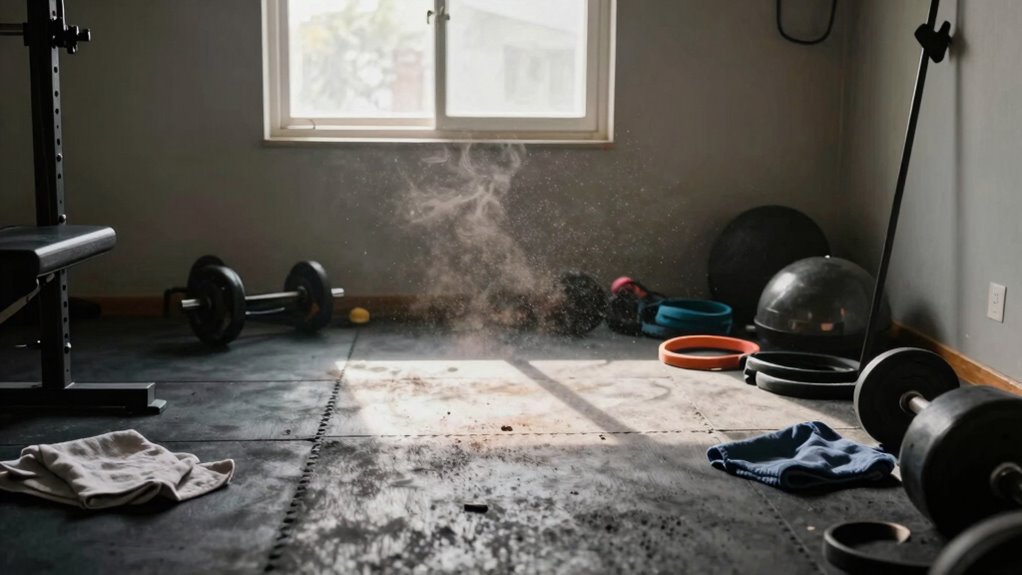
Many home gyms may seem like safe spaces for your workouts, but they can harbor more dirt and pollutants than you might realize. One of the main culprits is dust accumulation, which can build up quickly in areas that aren’t cleaned frequently. When you work out, especially with high-intensity exercises, you stir up dust from the floor, equipment, and even the air itself. Over time, this dust settles on surfaces, equipment, and even in your lungs if you’re not careful. It’s easy to overlook how much dust can gather in corners, behind machines, and on mats, making your workout environment potentially dirtier than a regular room.
Home gyms can trap hidden dust and pollutants, making regular cleaning essential for a healthier workout space.
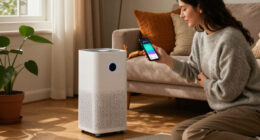
Air filtration plays an essential role in maintaining cleaner air in your home gym, but many people don’t give it enough thought. Standard filters in HVAC systems aren’t always sufficient for filtering out the smaller particles stirred up during exercise. Without proper air filtration, airborne dust, allergens, and other pollutants remain suspended in the air longer, which can aggravate allergies or respiratory issues. Upgrading your air filtration system or adding portable air purifiers with HEPA filters can make a significant difference. These devices capture tiny particles that traditional filters might miss, ensuring that the air you breathe during workouts is cleaner and healthier. Additionally, many people are unaware of how quickly dust can accumulate in hard-to-reach areas, further impacting air quality if not regularly cleaned. Regular cleaning and dust management can help prevent these particles from building up over time. Proper ventilation and air circulation are also crucial in dispersing dust and improving indoor air quality. Increasing air exchange can help reduce the concentration of dust and pollutants in your gym space.
Products Worth Considering

Levoit Vital 100S-P Air Purifier with Washable Pre-Filter

Levoit Core 600S-P Smart Air Purifier for Large Rooms

Levoit Core 300S-P Smart WiFi Air Purifier
As an affiliate, we earn on qualifying purchases.
Frequently Asked Questions
How Often Should I Replace My Home Gym Air Filters?
You should replace your home gym air filters every 1 to 3 months, depending on the air filter lifespan. If you notice reduced airflow or increased dust, it’s time for a replacement. Regularly checking your filters helps maintain air quality and equipment efficiency. Keep in mind, dense filters or high usage may require more frequent replacements, ensuring you breathe cleaner air and keep your gym environment healthy.
Can Indoor Plants Improve Air Quality in My Workout Space?
Ever wondered if indoor plants can boost your workout space’s air quality? Absolutely! Plant types like snake plants, pothos, and peace lilies excel at air purification, removing toxins and increasing oxygen. These plants are low-maintenance and fit well in home gyms. Incorporating them can create a fresher environment, helping you breathe easier during your workouts. So, why not add a few to your space for cleaner, healthier air?
Are There Specific Cleaning Products Safe for Home Gym Equipment?
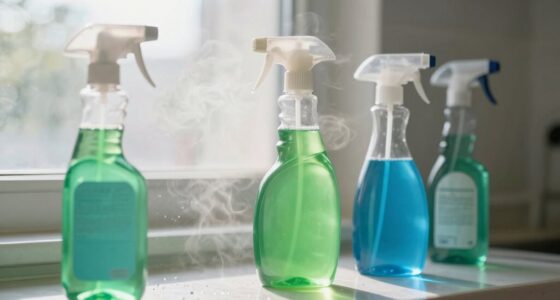
Yes, there are specific cleaning products safe for your home gym equipment. Look for cleaning chemicals labeled as gentle and suitable for electronics or fitness gear. Use a microfiber cloth with a mild soap solution or a disinfectant recommended for equipment sanitization. Avoid harsh chemicals like bleach or abrasives, as they can damage your equipment. Regularly cleaning your gear helps maintain hygiene and extends its lifespan.
Do Different Workout Types Produce Varying Levels of Indoor Pollution?
Different workout types do produce varying levels of indoor pollution. For example, high-intensity exercises like weightlifting and cardio can release more airborne toxins through increased breathing and sweating. Studies show that poor workout ventilation can cause airborne toxins to accumulate, making the air dirtier than you might expect. You should prioritize good ventilation and air purification, especially during intense workouts, to reduce exposure to airborne toxins and keep the air clean.
How Does Humidity Affect Air Quality in a Home Gym?
Higher humidity levels in your home gym can worsen air quality by promoting airborne bacteria growth and mold. When humidity gets too high, it creates a damp environment where bacteria thrive, increasing the risk of respiratory issues. To keep the air clean, maintain humidity between 30-50%, guarantee proper ventilation, and use a dehumidifier if needed. This helps reduce airborne bacteria and keeps your workout space healthier.
Conclusion
As you finish your workout, take a moment to breathe in deeply. You might not see the dust dancing in the sunlight, but it’s there—lurking in the corners and settling on your equipment. Home gyms can harbor invisible particles, turning your sanctuary into an unrecognized source of dirtier air. So, keep your space well-ventilated and dust-free; your lungs will thank you as you exhale fresh, purified air into a cleaner, healthier environment.