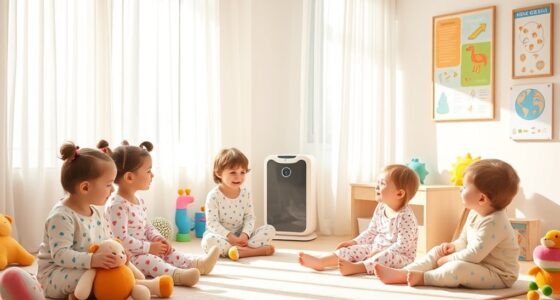
Your visitors notice the air in your home before you do because their sense of smell detects subtle odors and environmental cues that reveal cleanliness, comfort, and maintenance. Lingering musty or stale smells instantly signal issues, while fresh, well-ventilated air makes a great first impression. Factors like humidity, ventilation, and potential pollutants influence how your home smells, often before you realize. Keep paying attention, and you’ll uncover more ways to create a welcoming, fresh atmosphere.

Get home appliances delivered free with Prime
- Fast, free delivery on millions of items
- Prime Video, Amazon Music and more included
- Member-only deals all year
Key Takeaways
- Visitors are more sensitive to air quality and odors, often noticing them before you become aware.
- Lingering smells like mold or stale air subconsciously signal cleanliness and maintenance issues.
- Proper ventilation and fresh air create an immediate impression of a clean, welcoming space.
- Unnoticed indoor cues, such as humidity or dampness, influence visitors’ perceptions of your home.
- Good air quality suggests good hygiene and attention to detail, impacting first impressions more than décor.

When visitors step into your home, they can often notice more than just your decor or cleanliness—they also pick up on the air you breathe. The air quality inside your space influences their first impressions more than you might realize. Even if your home looks spotless, poor air quality can send subtle signals that something’s off. People are naturally attuned to scent perception; it’s a primal sense that quickly evaluates comfort, cleanliness, and even health. If the air smells stale, musty, or carries lingering odors, visitors will pick up on it immediately, often without realizing why they feel slightly uncomfortable.
Your home’s air quality plays an essential role here. Factors like humidity levels, ventilation, and presence of allergens or pollutants influence how fresh or stuffy your space feels. When the air isn’t circulating well or if you’ve recently cooked strong-smelling foods, those odors linger and affect scent perception. Even if you’re used to the smell, visitors can sense it instantly. This is why a well-ventilated room with clean, fresh air feels welcoming, even before anyone utters a word. Conversely, poor air quality can make your home seem uninviting, regardless of how beautiful or tidy it appears. Proper air circulation is vital to maintain a consistently fresh environment. Regular maintenance of air filters can also significantly improve indoor air quality.
Good ventilation and fresh air make your home instantly more inviting and comfortable.
Scent perception isn’t just about odors; it’s also about the subtle cues your environment gives off. For instance, a home that smells faintly of mold or dampness might make visitors wonder about moisture issues or poor maintenance. On the other hand, a space that smells clean and fresh suggests good hygiene and attention to detail. You might not notice these nuances because you’re used to your environment, but your guests are more perceptive. They pick up on these cues subconsciously, which influences their overall impression of your home. Additionally, indoor air quality can impact guests’ health, making it important to prioritize good ventilation and air cleaning practices. Regularly monitoring and managing air quality can proactively prevent these issues from affecting your home’s atmosphere.
air purifier for indoor air quality
As an affiliate, we earn on qualifying purchases.
As an affiliate, we earn on qualifying purchases.
Frequently Asked Questions
Can Indoor Plants Improve Home Air Quality Effectively?
Indoor plants can improve your home’s air quality effectively by naturally filtering pollutants and increasing oxygen levels. When you include indoor plants, you actively reduce airborne toxins like formaldehyde and benzene, making the air healthier to breathe. Plus, plants add humidity and freshness to your space. So, if you want better indoor air quality, incorporating indoor plants is a simple, eco-friendly solution that benefits both your health and home environment.
How Often Should I Change My HVAC Filters?
Imagine a family noticing a musty smell in their home as their HVAC system struggles. You should change your filters every 1-3 months, depending on usage and filter type. Regular filter maintenance guarantees your HVAC system runs efficiently, extending its longevity and improving indoor air quality. Neglecting filter changes can lead to reduced airflow, higher energy bills, and potential system breakdowns, so stay proactive for maximum comfort.
Do Air Purifiers Eliminate All Household Odors?
Air purifiers can considerably reduce household odors, but they don’t eliminate all odor molecules. Due to air purifier limitations, some stubborn smells like cooking or pet odors might linger. They excel at removing airborne particles and some odor molecules, but heavy or persistent odors often require additional ventilation or cleaning. For best results, combine your air purifier with regular cleaning and proper ventilation to keep your home’s air fresh and odor-free.
What Common Household Items Contribute to Poor Air Quality?
Sure, your beloved candles and air fresheners might seem innocent, but they’re secretly adding to dust accumulation and poor air quality. Many believe air purifier myths that these items clean the air, but they often just mask odors. Common household items like cleaning sprays, scented candles, and even certain furniture release volatile organic compounds (VOCs), making your indoor air worse. So, think twice before blaming your poor air solely on dust!
How Does Humidity Affect Indoor Air Freshness?
Humidity levels directly impact indoor air freshness. When humidity is too high, it fosters mold, dust mites, and musty odors, making the air feel stale. Conversely, low humidity causes dry air, leading to irritation and static. Maintaining ideal humidity levels, around 40-50%, helps keep your indoor air fresh and comfortable. You can achieve this with humidifiers or dehumidifiers, ensuring the air stays balanced and inviting for you and your visitors.
As an affiliate, we earn on qualifying purchases.
Conclusion
So, next time someone steps into your home, remember—they’ll notice your air faster than a hawk spots its prey. A lingering smell or stale air can turn visitors away before you even get a chance to greet them. Keep your home fresh and inviting, because even the tiniest scent can make a huge impression. Don’t let poor air quality be the silent thief of your hospitality—breathe easy and make every visit unforgettable.
As an affiliate, we earn on qualifying purchases.
As an affiliate, we earn on qualifying purchases.
Cold & flu season Picks
humidifiers
As an affiliate, we earn on qualifying purchases.