When you clean, you disturb settled dust and pollutants, causing temporary spikes in airborne particles. Activities like sweeping or dusting loosen particles more than damp methods, and using a broom releases more dust compared to vacuuming. Proper ventilation and air filtration can help disperse these particles quickly, reducing how long air quality dips. If you keep reading, you’ll discover simple strategies to minimize these spikes and improve your indoor air health.

Get home appliances delivered free with Prime
- Fast, free delivery on millions of items
- Prime Video, Amazon Music and more included
- Member-only deals all year
Key Takeaways
- Cleaning activities disturb settled dust and pollutants, causing temporary spikes in PM levels.
- Dry cleaning methods like dusting or sweeping release more airborne particles than damp techniques.
- Vacuuming with HEPA filters reduces dust release compared to traditional brooms.
- Opening windows or using exhaust fans disperses airborne particles, lowering PM spikes.
- Air filtration devices help remove airborne particles, minimizing PM level increases after cleaning.

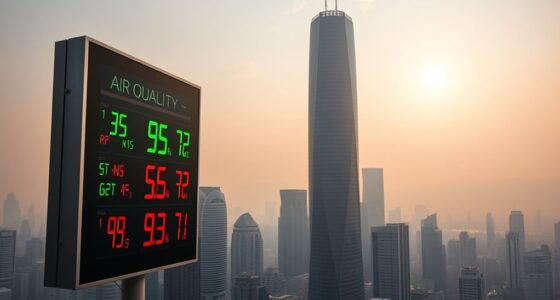
After cleaning, PM (particulate matter) readings often spike unexpectedly, catching many people off guard. You might think that dusting or vacuuming would immediately improve your indoor air quality, but in reality, these cleaning techniques can temporarily worsen it. When you clean, especially if you’re using methods like sweeping or dusting, tiny particles get stirred up into the air, causing a sudden increase in particulate matter levels. This spike isn’t an indication that your cleaning efforts failed; instead, it’s a natural reaction to the disturbance of settled dust and pollutants.
Cleaning can cause temporary PM spikes by stirring up settled dust and pollutants, not a sign of failure.
You see, indoor air quality isn’t static—it’s constantly changing based on your activities and the environment. Cleaning techniques such as sweeping, dusting, or even wiping surfaces can release a cloud of particles that linger in the air for a while. These particles include dust, pet dander, pollen, mold spores, and other allergens. Without proper ventilation or air filtration, these airborne pollutants can cause PM readings to rise sharply right after you finish cleaning. That’s why, despite your efforts to clear the air, the numbers might tell a different story immediately afterward.
The key to managing these spikes is understanding how your cleaning techniques impact indoor air quality. For instance, using a broom instead of a vacuum can send more dust into the air, while dry dusting tends to loosen particles more than damp cleaning methods. If you want to prevent dramatic PM spikes, switching to wet cleaning techniques—like damp cloths or mops—can help trap dust and reduce airborne particles. Additionally, employing high-efficiency particulate air (HEPA) filters in your vacuum cleaners and air purifiers can significantly cut down the amount of dust released back into the room during cleaning. Proper cleaning techniques and their impact on airborne pollutants are crucial factors to consider for healthier indoor air.
Another important factor is ventilation. Opening windows or turning on exhaust fans during and after cleaning can help disperse airborne particles more quickly, lowering PM readings faster. Understanding air filtration techniques and how they can be integrated into your cleaning routine can make a big difference, especially if you’re sensitive to dust or have respiratory issues. Incorporating air quality monitoring into your cleaning routine can help you better understand how your activities impact indoor pollutants and take steps to improve your environment. Regularly maintaining and replacing filters in your air purifiers is also vital for ensuring they operate effectively and do not become sources of additional dust or mold. Additionally, being aware of pollutant sources around your home can help you identify specific problem areas that contribute to PM spikes. Remember, a temporary increase in PM isn’t a sign of poor cleaning but a natural result of disturbing settled pollutants. With the right cleaning techniques and proper ventilation, you can minimize these spikes, ensuring your indoor environment is healthier in the long run.
Products Worth Considering

Levoit Core 400S-P Smart Air Purifier for Large Rooms

LEVOIT Vital 200S-P Smart Air Purifier for Large Rooms

Blueair Blue Pure 511i Max Smart Air Purifier
As an affiliate, we earn on qualifying purchases.
Frequently Asked Questions
Can Cleaning Products Affect PM Readings?
Yes, cleaning products can affect PM readings because cleaning chemicals release airborne particles and volatile organic compounds (VOCs) that temporarily increase particulate matter in the air. Using strong cleaning chemicals might lower air quality and cause your PM readings to spike right after cleaning. To maintain better air quality, opt for natural or low-VOC cleaning products, and ventilate the space thoroughly during and after cleaning.
How Long Do Elevated PM Levels Last After Cleaning?
Elevated PM levels usually last a few hours after cleaning, especially if you’ve disturbed dust accumulation. The spikes happen because cleaning stirs up particles, which then settle over time. To minimize this, increase your cleaning frequency and use high-efficiency filters. Ventilate your space well during and after cleaning. Over time, these practices help keep PM levels consistently low, reducing the impact of dust accumulation on indoor air quality.
Do Different Cleaning Methods Impact PM Spike Severity?
Different cleaning techniques can considerably impact PM spike severity, like stirring a pot of surface contamination. For instance, dry sweeping often kicks up more dust than damp mopping or HEPA vacuuming, causing a bigger PM spike. Using gentler, more effective cleaning methods minimizes disturbance, reducing PM spikes and keeping indoor air quality healthier. So, choose your cleaning techniques wisely to keep airborne particles in check and breathe easier.
Is a PM Spike Harmful to Health?
A PM spike can temporarily affect indoor air quality, but it isn’t usually harmful if it’s brief and infrequent. Still, frequent spikes might impact your health, especially if you have allergies or respiratory issues. To guarantee cleaning safety, ventilate well and use gentle methods. Keeping your home properly ventilated helps reduce the impact of PM spikes, protecting your health and maintaining better indoor air quality over time.
Can Air Purifiers Reduce PM Spikes Post-Cleaning?
Think of your air purifier as a vigilant guardian, clearing the battlefield of dirt particles after cleaning. Yes, it can reduce PM spikes by improving indoor air quality and swiftly removing dirt particles. When you run it post-cleaning, it helps trap the disturbed particles, preventing a sudden spike in PM levels. This promotes healthier air, making your space safer and more comfortable immediately after you tidy up.
Conclusion
So, next time your PM readings spike after cleaning, remember it’s like stirring up dust in a room—temporary chaos before calm. Don’t get discouraged; it’s just your environment adjusting to the fresh air and new cleanliness. With time, those numbers will settle down, revealing the true air quality. Keep up the good work, and trust that this brief spike is just a sign you’re making a positive change, like clearing the fog to see clearly again.