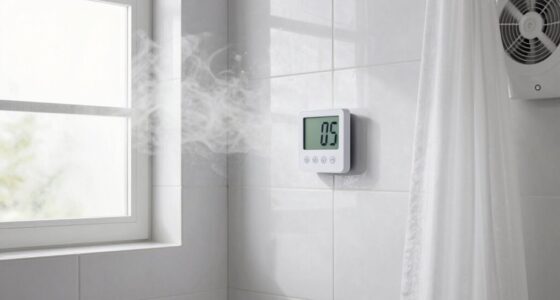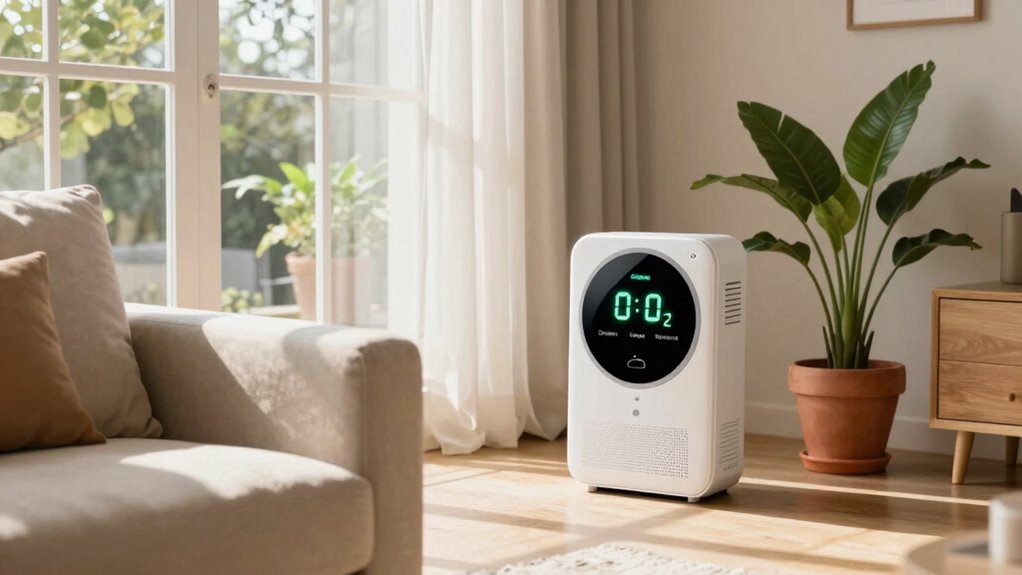

Tracking air quality trends gives you a much clearer picture of your home’s health than a single measurement. Pollution levels can fluctuate hourly or daily, and one snapshot might hide ongoing issues. By monitoring over time, you can spot patterns and make smarter decisions to improve ventilation and airflow. This proactive approach helps prevent long-term health risks. If you’re interested, keep reading to find out more about how trends can truly make a difference in your home’s air quality.

Get home appliances delivered free with Prime
- Fast, free delivery on millions of items
- Prime Video, Amazon Music and more included
- Member-only deals all year
Key Takeaways
- Single readings only provide a snapshot, missing ongoing pollution patterns that develop over time.
- Monitoring trends over weeks or months reveals persistent issues and helps track improvements or deterioration.
- Trend analysis enables proactive adjustments to ventilation and air purification, improving overall indoor air quality.
- Continuous data helps identify pollution sources and informs effective long-term management strategies.
- Focusing on trends ensures sustained indoor air health, rather than reacting to isolated, potentially misleading readings.

Air quality trends have become a vital focus as urbanization and industrial activities continue to grow worldwide. While many people rely on single readings or sporadic measurements to gauge their environment, you should understand that these snapshots don’t tell the full story. Instead, paying attention to long-term air quality trends provides a clearer picture of what’s happening inside your home and how your environment affects your health. Indoor pollution, including dust, volatile organic compounds (VOCs), and other airborne contaminants, can fluctuate daily or even hourly. A single reading might show acceptable levels at one moment but mask ongoing issues that build up over time. That’s why tracking trends over weeks or months gives you a better understanding of whether your indoor air quality is improving or deteriorating. Regularly assessing indoor air quality trends can help you identify patterns and respond proactively to potential health risks. Ventilation improvements play a crucial role in managing indoor pollution and influencing overall air quality trends. Enhancing airflow helps dilute and remove pollutants that accumulate indoors, especially in tightly sealed homes designed for energy efficiency. Proper ventilation doesn’t just bring in fresh air; it also helps clear out airborne contaminants, reducing the risk of respiratory problems and allergies. You should consider investing in ventilation systems that are adjustable, so you can increase airflow during activities that generate pollutants—like cooking or cleaning—and reduce it when outside air quality is poor. Regularly maintaining and upgrading your ventilation setup can prevent indoor pollution from reaching harmful levels and contribute to more stable, healthier air over time. Developing a routine monitoring system can further empower you to stay ahead of potential issues before they escalate. Incorporating air quality data into your routine allows for more precise adjustments and better management of indoor environments. Utilizing monitoring devices can provide continuous insights and help you react swiftly to any changes. Focusing on air quality trends encourages you to think beyond momentary fluctuations and develop a proactive approach to maintaining a healthy indoor environment. Instead of reacting only when you notice symptoms or smell odors, you can use data from monitors or sensors to identify patterns and implement effective solutions. For instance, if you notice a gradual rise in particulate matter during colder months, you can take steps like improving your ventilation or using air purifiers to counteract those trends. Over time, these adjustments help you create a living space where indoor pollution is kept in check, and air quality remains consistently safe. In the end, understanding and monitoring air quality trends empowers you to make smarter decisions about your environment. Single readings are useful for quick checks, but they don’t capture the ongoing dynamics of indoor pollution. By prioritizing ventilation improvements and tracking how your indoor air quality changes over time, you can protect your health and ensure a more comfortable, safer home. This long-term perspective is essential as indoor environments become increasingly airtight and as pollution from outside continues to influence your indoor air quality.
As an affiliate, we earn on qualifying purchases.
Frequently Asked Questions
How Often Should Air Quality Trends Be Monitored at Home?
You should monitor air quality trends at home weekly to guarantee your air purifier remains efficient and ventilation improvements are effective. Regular checks help you identify fluctuations and address issues promptly. By tracking these trends, you can optimize your air purifier’s efficiency and make necessary adjustments to ventilation systems, creating a healthier environment. Consistent monitoring ensures you maintain good air quality and prevent potential health risks from poor indoor air.
What Specific Pollutants Are Most Important to Track Over Time?
You should prioritize tracking pollutants like particulate matter (PM2.5 and PM10), carbon monoxide, and volatile organic compounds (VOCs), as these are common pollutant sources in homes. Monitoring these over time helps you stay within air quality standards and identify sources of pollution. Regular trend analysis guarantees you can take action before air quality deteriorates, rather than relying on single readings that might not reflect ongoing issues.
Can Air Quality Trends Predict Health Issues Before Symptoms Appear?
Coincidences happen when long-term health risks align with pollutant patterns you notice over time. By tracking air quality trends, you can often predict potential health issues before symptoms appear. Changes in pollutant levels, especially if they persist, may signal risks to your long-term health. Monitoring these patterns allows you to take proactive steps, reducing exposure and preventing future health problems.
Are There Seasonal Variations That Affect Air Quality Trends?
Yes, seasonal fluctuations considerably affect air quality trends in your home. During colder months, increased use of heating can raise indoor pollutant levels, while summer often brings higher outdoor pollution due to heat and pollen, impacting indoor air. Climate impact also plays a role, as changing weather patterns can alter ventilation and pollutant dispersal, making it essential to monitor trends over time rather than relying on single readings for accurate air quality assessments.
How Do Indoor and Outdoor Air Quality Trends Interact?
You might be surprised how indoor and outdoor air quality trends intertwine, influenced by ventilation patterns and pollutant sources. When you open windows or run exhaust fans, outdoor air mixes with indoor, sometimes bringing pollutants inside. Conversely, indoor sources like cooking or smoking can elevate indoor pollutants, affecting outdoor air. Stay alert—understanding these interactions helps you better manage your home’s air quality, especially during seasonal shifts or when outdoor conditions change unexpectedly.
air quality trend tracking device
As an affiliate, we earn on qualifying purchases.
As an affiliate, we earn on qualifying purchases.
Conclusion
Remember, focusing on air quality trends paints a clearer picture of your home’s environment than a single reading ever could. Think of it like watching a movie — the story unfolds over time, not just in a single scene. By tracking these trends, you gain a deeper understanding and can make smarter choices for your health. So, don’t just glance at the numbers; follow the journey, and breathe easier knowing you’re in control of the bigger picture.
As an affiliate, we earn on qualifying purchases.
air purifier with air quality sensors
As an affiliate, we earn on qualifying purchases.
As an affiliate, we earn on qualifying purchases.
NFL season / tailgating Picks
team gear
As an affiliate, we earn on qualifying purchases.