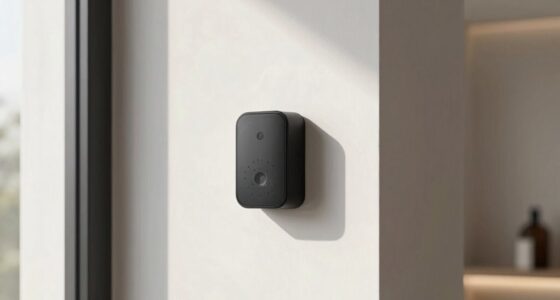
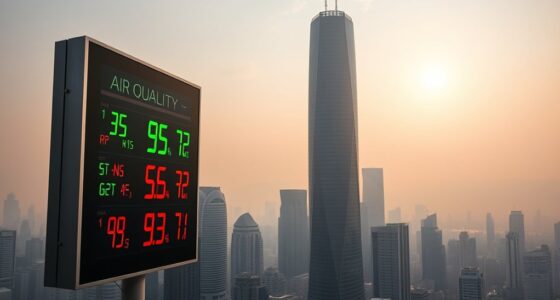
Indoor AQI often shows higher pollution levels than outdoor AQI because it’s influenced by cooking fumes, tobacco smoke, cleaning chemicals, and building materials. These sources can quickly degrade indoor air, especially if ventilation is poor. Outdoor AQI reflects vehicle emissions, industry, and natural events, which may not impact your home as strongly. Knowing these differences helps you understand the true air quality inside and outside. Keep exploring to learn how to better manage both environments.

Get home appliances delivered free with Prime
- Fast, free delivery on millions of items
- Prime Video, Amazon Music and more included
- Member-only deals all year
Key Takeaways
- Indoor AQI can be high due to activities like cooking and smoking, regardless of outdoor air quality.
- Outdoor AQI may be better than indoor AQI if indoor pollutants accumulate from poor ventilation.
- Ventilation can introduce outdoor pollutants indoors, affecting indoor AQI differently than outdoor conditions.
- Indoor air quality sensors reveal real-time hazards that outdoor AQI data might not reflect.
- Regional pollution sources and building characteristics cause indoor and outdoor AQI to tell different stories.

Have you ever wondered how indoor air quality compares to outdoor air quality? It’s a question many people overlook because we often assume that the air outside is worse, but the reality can be quite different. Indoor air quality (IAQ) and outdoor air quality (OAQ) can tell two very different stories, influenced by distinct pollution sources and environmental factors. When considering air quality, it’s vital to understand that pollutants indoors often originate from sources within your home or office, such as cooking fumes, tobacco smoke, cleaning products, and even building materials. These pollution sources can cause indoor air to deteriorate quickly, especially in poorly ventilated spaces. Conversely, outdoor air quality is shaped by broader environmental issues like vehicle emissions, industrial discharges, and natural events such as wildfires or dust storms.
Your indoor environment can sometimes have worse air quality than outside, despite the common assumption that the outdoors is more polluted. For example, if you cook frequently without proper ventilation, you might be exposing yourself to high levels of particulate matter and volatile organic compounds (VOCs). Similarly, smoking indoors introduces significant pollutants that outdoor air might not have, especially in areas with strict smoking laws. Cleaning products release chemicals that can linger in the air, impacting your health over time. Building materials like paints or carpets can off-gas pollutants that accumulate indoors. Many of these pollution sources are localized, meaning your indoor air quality can fluctuate dramatically depending on your activities and environment. Additionally, natural ventilation can sometimes worsen indoor air if it pulls in contaminated outdoor air, emphasizing the importance of controlled airflow and filtration. Proper air filtration systems can help mitigate these issues by removing pollutants before they circulate indoors. It’s also important to regularly monitor indoor air quality levels to identify potential hazards early and take action. Using indoor air quality sensors can provide real-time data on pollutants and help you make informed decisions about ventilation and air purification. Being aware of pollution sources inside your home enables targeted strategies to improve overall air safety.
On the other hand, outdoor air quality is often affected by pollution sources that are more widespread. Heavy traffic contributes to nitrogen oxides and particulate matter, while factories emit a range of pollutants that can travel long distances. During certain times of the year, natural sources like pollen or dust storms can also elevate outdoor pollution levels. Because outdoor pollutants can disperse over large areas, their concentration varies with weather conditions, wind patterns, and urban density. In some cases, outdoor air might be cleaner than indoor air, especially if your home is in a highly polluted area or if your ventilation system draws in contaminated outdoor air without proper filtration.
Ultimately, understanding that indoor and outdoor air quality can tell different stories helps you make better decisions about how to improve the air you breathe. Recognizing pollution sources both inside and outside your home allows you to take targeted actions—like improving ventilation, using air purifiers, or reducing the use of harmful products—to promote healthier indoor air. While outdoor air quality is influenced by broad environmental factors, your indoor environment is directly within your control, making it essential to monitor and manage pollution sources wherever you can. Being aware of indoor pollution sources can help you identify the most effective ways to create a healthier living space.
As an affiliate, we earn on qualifying purchases.
Frequently Asked Questions
How Do Indoor Pollutants Differ From Outdoor Pollutants?
Indoor pollutants differ from outdoor ones mainly because of indoor sources like cooking, smoking, and cleaning products, which release specific chemicals and particles. Ventilation systems influence how these pollutants spread and persist inside. You might notice higher concentrations of certain pollutants indoors, especially if ventilation is poor or sources are frequent. Outdoor pollutants often come from traffic, factories, and natural events, making indoor air quality a unique, localized issue compared to outdoor air.
Can Indoor AQI Be Higher Than Outdoor AQI?
Yes, your indoor AQI can be higher than outdoor levels. It all depends on ventilation methods and odor sources. If you trap pollutants inside, like cooking fumes or pet dander, they can accumulate quickly, raising indoor AQI. Poor ventilation prevents these pollutants from escaping, making indoor air quality worse than outside. So, even if outdoor air seems cleaner, your home’s air might tell a very different, more troubling story.
What Factors Influence Indoor Air Quality the Most?
You influence indoor air quality the most through ventilation improvements and managing indoor pollutant sources. Better ventilation helps bring in fresh air and dilute pollutants, while reducing indoor sources—like smoking, cooking fumes, or cleaning chemicals—limits harmful contaminants. Regularly opening windows, using air purifiers, and maintaining HVAC systems also play key roles. By actively controlling these factors, you can considerably improve your indoor air quality and create a healthier environment.
How Often Should I Check My Indoor AQI?
You should check your indoor AQI weekly to guarantee good air quality. Regular monitoring helps you identify issues early, especially if you use air purifiers or make ventilation improvements. If you notice increased pollution or odors, check more often. Using air purifiers regularly and improving ventilation can greatly reduce indoor pollutants, making it easier to maintain a healthy environment. Stay proactive to keep your indoor air safe and clean.
Are There Reliable Devices to Monitor Indoor AQI?
Think of indoor air quality sensors as your personal health detectives. Reliable devices like portable monitors and dedicated indoor sensors accurately track pollutants, VOCs, and particulate matter. I once used a portable monitor during a home renovation, and it revealed hidden mold spores. These tools give you real-time data, helping you make informed decisions to improve your indoor environment. Yes, many trusted devices are available to monitor your indoor air quality effectively.
As an affiliate, we earn on qualifying purchases.
Conclusion
So, next time you check your air quality, remember that the story indoors might be quite different from what’s outside. Sometimes, your cozy space offers a quieter, gentler narrative, even if the world beyond whispers of concern. Paying close attention to both can help you find balance—keeping you comfortable and safe, no matter what the numbers reveal. After all, understanding these subtle tales lets you breathe easier, wherever you are.
carbon dioxide and pollutant sensor
As an affiliate, we earn on qualifying purchases.
As an affiliate, we earn on qualifying purchases.
As an affiliate, we earn on qualifying purchases.
Halloween Picks
halloween
As an affiliate, we earn on qualifying purchases.