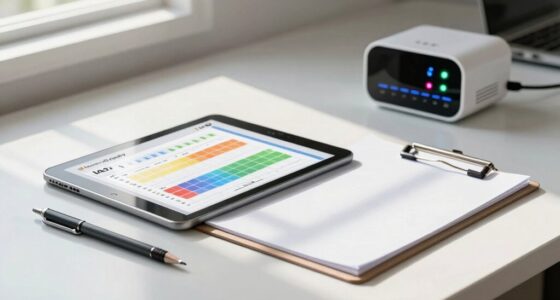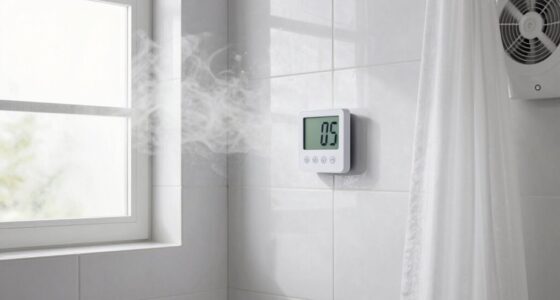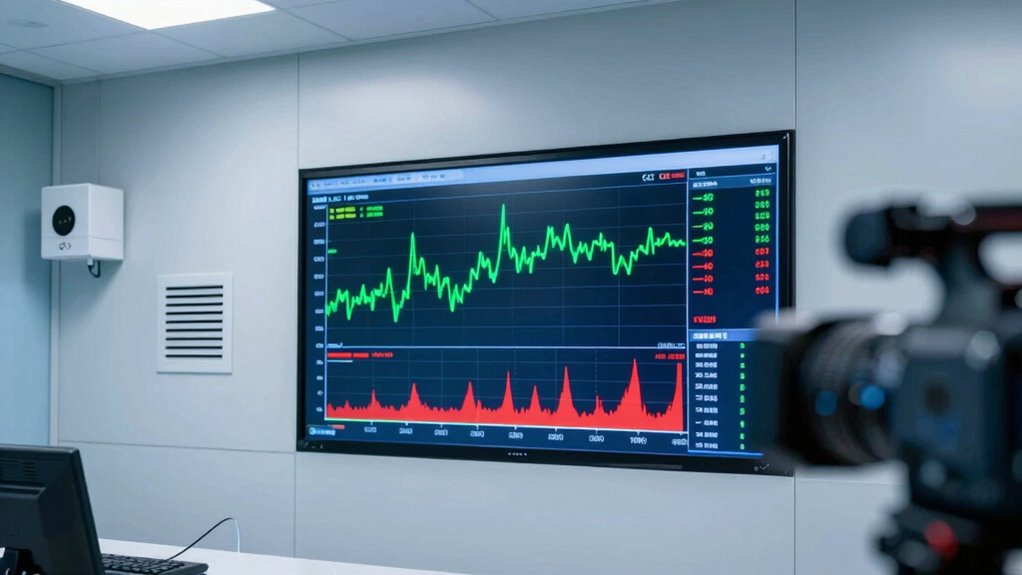
High indoor CO2 levels are a clear sign your ventilation isn’t working well, which can affect your health, comfort, and concentration. When CO2 exceeds 1,000 ppm, it indicates stale air and poor airflow. To fix this, increase fresh air with windows or fans, or consider professional ventilation checks if levels stay high. Staying aware of CO2 levels helps you maintain a healthier indoor environment—continue to explore how to manage and improve your air quality effectively.

Get home appliances delivered free — and shop member deals
- Fast, free delivery on millions of items
- Access to Prime Big Deal Days deals on October 6–7
- Prime Video, Amazon Music and more included
Key Takeaways
- Elevated indoor CO2 levels indicate inadequate ventilation and poor air quality, signaling a need for improved fresh air exchange.
- Maintaining CO2 below 1,000 ppm supports health, comfort, and cognitive function, making it a critical ventilation indicator.
- Regular monitoring with calibrated sensors helps detect when ventilation adjustments are necessary to prevent health risks.
- High CO2 levels can cause symptoms like dizziness and fatigue, highlighting the importance of timely ventilation responses.
- Addressing causes such as blocked airflow or outdated systems ensures effective ventilation and healthier indoor environments.
As an affiliate, we earn on qualifying purchases.
Why Indoor CO2 Levels Matter for Your Ventilation and Health

Indoor CO2 levels are a key indicator of how well your ventilation system is working. When CO2 accumulates, it signals that fresh air isn’t replacing indoor air effectively, negatively impacting air quality. Poor air quality can lead to dizziness, fatigue, and decreased concentration, affecting your health and productivity. Monitoring CO2 levels helps you evaluate the effectiveness of your ventilation strategies, whether you rely on natural airflow or mechanical systems. By maintaining ideal CO2 levels, you ensure a healthier indoor environment. Good ventilation isn’t just about comfort; it’s essential for your well-being. When you pay attention to indoor CO2 levels, you can make informed decisions to improve air quality, reduce airborne pollutants, and create a safer, more comfortable space for everyone. Effective ventilation plays a crucial role in controlling indoor pollutants and maintaining optimal air quality. Additionally, understanding ventilation efficiency allows you to optimize your indoor air management practices. Proper air exchange rates are vital for sustaining healthy indoor environments and preventing the buildup of harmful gases. Regularly assessing these ventilation parameters can help you identify when adjustments are needed to maintain ideal conditions. Recognizing the importance of indoor air quality helps emphasize the need for consistent monitoring and appropriate ventilation solutions.
As an affiliate, we earn on qualifying purchases.
How to Measure Indoor CO2 Levels: Best Devices and Tools

Choosing the right CO2 monitoring device is essential to accurately assess indoor air quality. You’ll find a variety of options, from simple handheld meters to advanced fixed systems. Consider your space size and monitoring needs to select the best equipment for your situation. Additionally, selecting devices that account for indoor air quality factors can help ensure comprehensive monitoring. Understanding the accuracy and calibration of your chosen device ensures reliable readings over time, which is vital for making informed decisions about ventilation. To maintain consistent accuracy, look for devices with reliable calibration methods and easy recalibration procedures. Incorporating smart technology into your monitoring setup can further enhance data accuracy and usability, empowering you to respond promptly to air quality issues. Recognizing how AI-driven discoveries impact health and safety can further guide your choices in monitoring technology.
Indoor CO2 Monitoring Devices
Monitoring indoor CO2 levels is essential for maintaining healthy air quality, and fortunately, there are a variety of reliable devices designed for this purpose. These devices typically feature sensors that detect CO2 concentrations, giving you real-time data on air quality. To guarantee accurate readings, regular sensor calibration is crucial; some monitors require manual calibration, while others are self-calibrating. Look for devices with clear displays and user-friendly interfaces, making it easy to monitor CO2 levels at a glance. Many modern monitors also include features like data logging and alerts, helping you maintain ideal ventilation. By choosing the right indoor CO2 monitoring device and maintaining it properly, you can effectively track air quality and take timely action to improve indoor environments. Proper calibration is vital for ensuring measurement accuracy over time. Additionally, selecting devices with reliable sensors ensures consistent performance and precise readings. Ensuring your sensor maintains calibration over time can significantly improve measurement accuracy and reliability. Regularly updating your knowledge about CO2 monitoring best practices can help optimize your indoor air quality management efforts. Being aware of air quality considerations can further assist in making informed decisions about ventilation and purification strategies.
Choosing the Right Equipment
Selecting the right equipment for measuring CO2 levels involves understanding your specific needs and choosing devices that offer accurate, reliable data. To assess air quality effectively, look for monitors that provide real-time readings and clear displays. Consider devices with built-in calibration features to guarantee consistent accuracy. When evaluating options, prioritize tools that can track ventilation efficiency by detecting CO2 fluctuations over time. Portable monitors are ideal for quick assessments, while fixed systems suit ongoing monitoring in larger spaces. Ensure the device has proper sensors and a user-friendly interface. Accurate measurements allow you to identify ventilation issues promptly, improving air quality and reducing CO2 buildup. The right equipment empowers you to make informed decisions about ventilation improvements, fostering healthier indoor environments.
As an affiliate, we earn on qualifying purchases.
What Indoor CO2 Concentration Ranges Are Safe or Unsafe
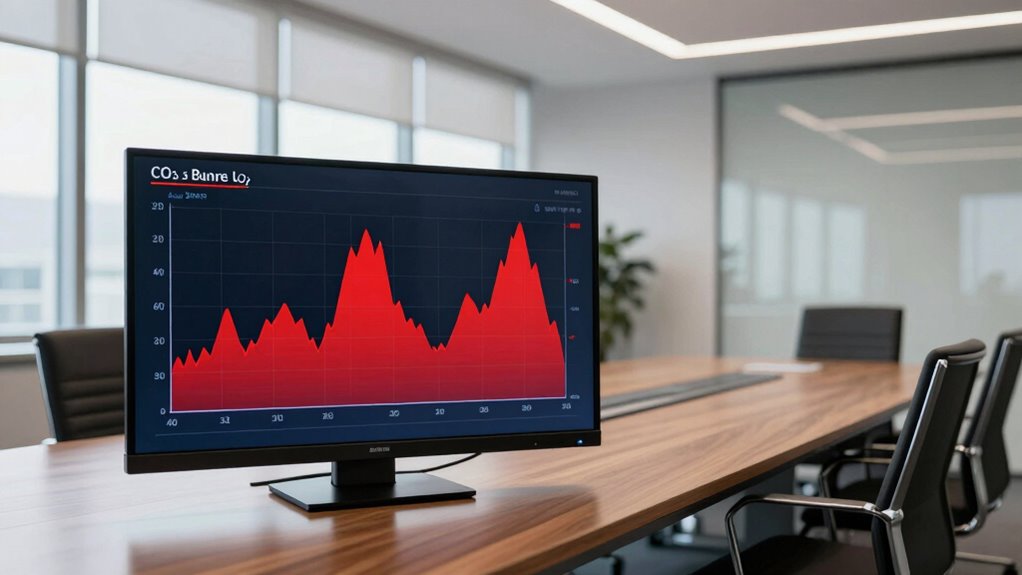
Knowing the safe indoor CO2 levels helps you maintain a healthy environment. When CO2 concentrations rise above recommended ranges, it can cause discomfort and health issues. Staying within safe limits minimizes risks and keeps your space comfortable. Monitoring indoor air quality can also help you interpret indoor air quality data accurately. Regularly checking ventilation effectiveness ensures that CO2 levels remain within safe limits, promoting overall health and well-being. Being aware of air quality standards can guide you in making informed decisions about ventilation and space management. Proper ventilation practices can prevent CO2 buildup and improve overall air quality in enclosed spaces, especially when considering ventilation efficiency and its impact on indoor environments.
Safe CO2 Levels
Indoor CO2 levels are considered safe when they stay below 1,000 parts per million (ppm), as higher concentrations can cause discomfort and impair cognitive function. Maintaining good air quality involves implementing effective ventilation strategies that ensure fresh air exchanges and prevent CO2 buildup. When indoor CO2 remains within this safe range, you’re less likely to experience headaches, fatigue, or difficulty concentrating. Proper ventilation helps dilute excess CO2, supporting a healthier environment. Regularly monitoring indoor air quality allows you to identify when ventilation adjustments are needed. Even in well-ventilated spaces, staying below 1,000 ppm helps optimize comfort and mental clarity. Additionally, understanding air exchange rates can help you better manage indoor air quality and maintain safe CO2 levels. Recognizing ventilation effectiveness is key to ensuring that air is replenished sufficiently to prevent dangerous CO2 accumulation. Ultimately, keeping CO2 levels within this safe threshold is essential for creating indoor environments that promote wellbeing and productivity.
Risks of High Concentration
While maintaining CO2 levels below 1,000 ppm is generally considered safe, exceeding this threshold can pose health and cognitive risks. High indoor CO2 concentrations indicate poor air quality and ineffective ventilation strategies. At 1,000-2,000 ppm, you might notice decreased concentration and alertness. Beyond 2,000 ppm, symptoms like headaches, drowsiness, and impaired decision-making become common. Prolonged exposure to these high levels can impact your well-being.
| CO2 Level (ppm) | Air Quality Impact |
|---|---|
| 400-1,000 | Good, healthy air quality |
| 1,000-2,000 | Moderate, some discomfort |
| 2,000-5,000 | Poor, health risks increase |
| >5,000 | Unhealthy, serious health risks |
As an affiliate, we earn on qualifying purchases.
How to Understand Your CO2 Readings and What They Mean
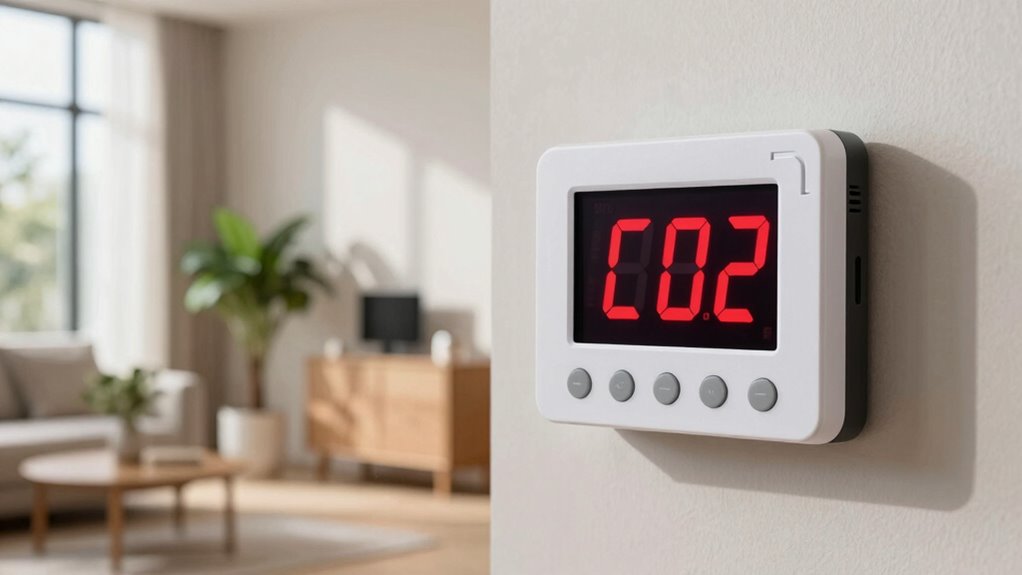
Understanding your CO2 readings is essential for evaluating indoor air quality and ensuring a healthy environment. When you check your sensor, verify it’s properly calibrated, as inaccurate readings can mislead you about your space’s air quality. A reading between 400 and 800 ppm generally indicates good ventilation, while levels above 1000 ppm suggest poor air exchange. Keep in mind that slight fluctuations are normal, but sustained high levels mean your indoor air might be be stale or contaminated. Recognizing these patterns helps you decide when to take action. Remember, consistent calibration of your sensor ensures accurate measurements over time, so you can confidently interpret your CO2 levels and maintain a safe, healthy indoor environment.
Tips to Improve Ventilation When CO2 Is Too High
When CO2 levels rise too high, improving ventilation quickly becomes essential to restore healthy air quality. To do this, focus on increasing air exchange in your space. Start by opening windows and doors to let fresh air in and stale air out. Use fans strategically to enhance airflow, especially near areas with poor circulation. Consider upgrading your ventilation strategies by installing exhaust fans or air purifiers with ventilation features to continuously circulate air. If possible, set up mechanical ventilation systems that bring in outdoor air and expel indoor air efficiently. Regularly monitoring CO2 levels helps you identify when ventilation needs improvement. These quick adjustments ensure your indoor environment remains comfortable, safe, and well-ventilated, reducing the risks associated with high CO2 concentrations.
Common Causes of Poor Indoor Air Quality Revealed by CO2 Monitoring
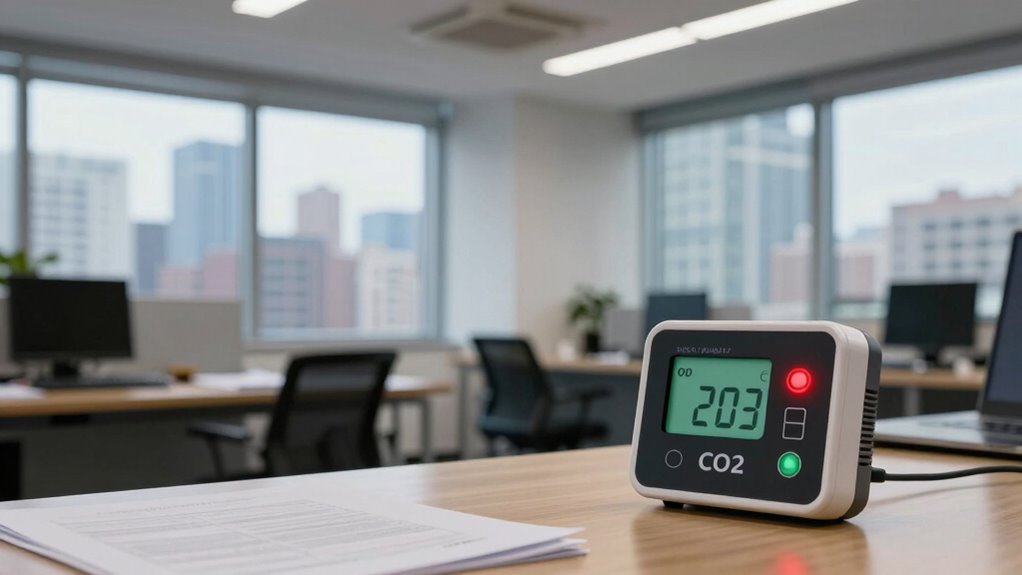
High CO2 levels often point to underlying issues that compromise indoor air quality. Common causes include inadequate ventilation design, crowded spaces, and poor airflow. When ventilation isn’t properly planned, stale air with high CO2 accumulates, signaling poor air quality. Understanding these causes helps you identify and address problems quickly.
| Cause | Effect on Air Quality | Solution |
|---|---|---|
| Poor ventilation design | CO2 builds up rapidly | Improve ventilation systems |
| Overcrowding | Increased CO2 levels | Limit occupancy or enhance airflow |
| Blocked air pathways | Reduced fresh air intake | Clear vents and ducts |
When and How to Seek Professional Ventilation Help
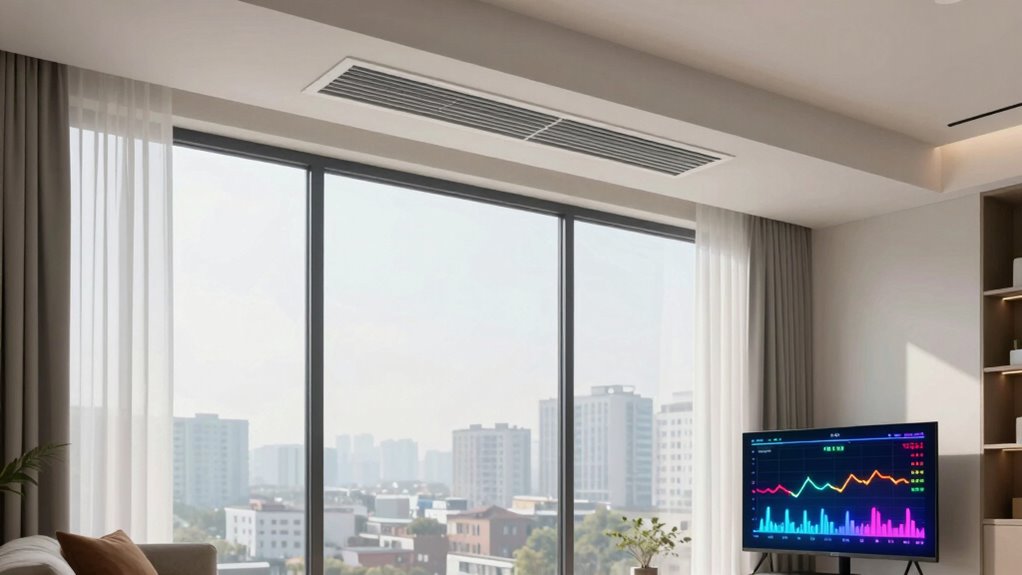
If you notice persistently elevated CO2 levels despite basic ventilation adjustments, it’s time to seek professional help. Experts can assess your space using advanced ventilation technology to identify underlying issues. They’ll evaluate your current system, ensuring it meets air quality policies and standards, and recommend upgrades if necessary. Professional assessments can reveal hidden problems like duct leaks, inadequate airflow, or outdated systems that simple adjustments can’t fix. Consulting specialists guarantees your ventilation setup aligns with best practices for indoor air quality. They also provide guidance on implementing effective ventilation strategies, such as incorporating sensors or demand-controlled ventilation. Recognizing when to seek help prevents long-term health risks and creates a safer, healthier indoor environment.
Quick Actions to Take If Your CO2 Levels Are Elevated
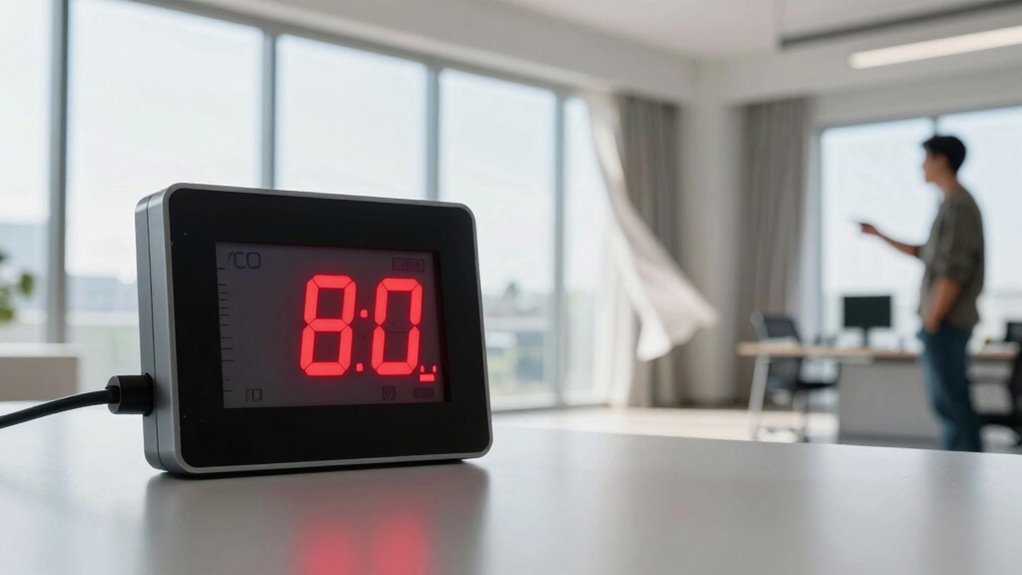
Noticing elevated CO2 levels quickly requires immediate action to improve indoor air quality. You can take several quick steps to address the issue:
Elevated CO2 levels demand quick action—boost ventilation, use fans, and reduce indoor activities to restore air quality fast.
- Increase ventilation by opening windows and doors to let fresh air in.
- Use fans to promote air circulation and disperse CO2 buildup.
- Turn on exhaust fans in kitchens or bathrooms to remove stale air.
- Adjust your ventilation strategies by temporarily reducing indoor activities that produce CO2, like cooking or gatherings.
These actions help reduce CO2 concentrations fast, improving air quality. Remember, good ventilation strategies are essential for maintaining healthy indoor environments, especially when levels are elevated. Acting promptly guarantees you regain control over your air quality and create a safer, more comfortable space.
FAQs About Monitoring and Improving Indoor CO2 Levels
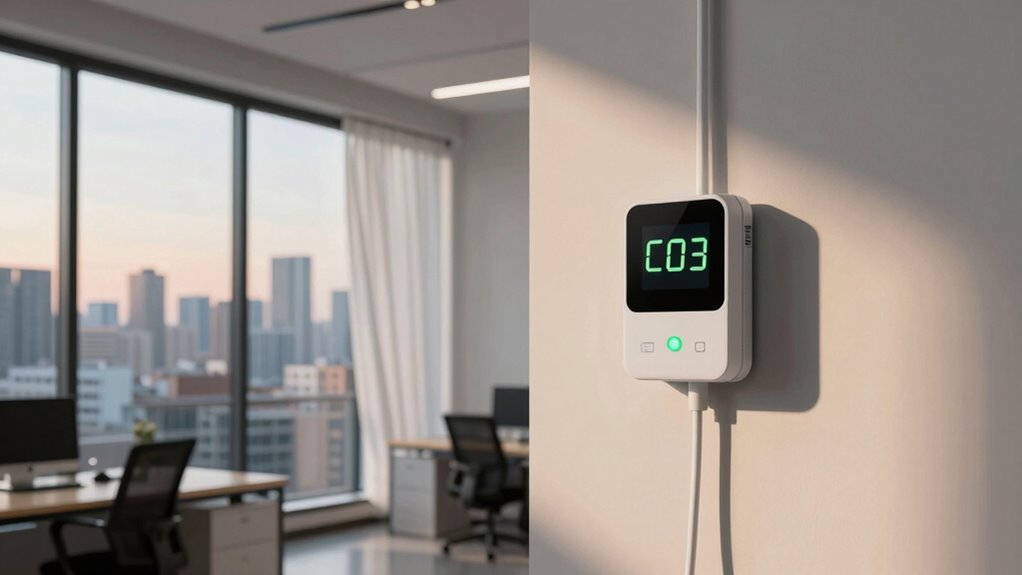
Monitoring indoor CO2 levels helps you stay ahead of air quality issues and guarantees a healthier environment. If your levels are high, consider using indoor plants, which naturally absorb CO2 and improve air purification. Many houseplants, like pothos or snake plants, are easy to care for and effective at filtering indoor air. To get accurate readings, use a reliable CO2 monitor and check it regularly. Improving ventilation is key, especially in crowded or poorly ventilated spaces. If upgrading ventilation isn’t feasible, air purification devices with activated carbon filters can help reduce CO2 buildup. Remember, maintaining proper airflow and integrating natural solutions like indoor plants can considerably lower CO2 levels, ensuring a safer, healthier indoor environment for everyone.
Frequently Asked Questions
Can Low CO2 Levels Indicate Good Air Quality Without Other Pollutants?
Low CO2 levels generally suggest good air quality, but don’t rely on them alone. Air quality misconceptions often lead people to overlook other pollutants like VOCs or particulate matter. CO2 monitoring accuracy can vary, so low levels don’t guarantee the absence of harmful particles or gases. Always consider thorough air testing to ensure truly healthy indoor environments, rather than just focusing on CO2 levels.
How Often Should I Check Indoor CO2 Levels?
You should check indoor CO2 levels regularly—at least once a week—to monitor air quality accurately. Maintaining proper ventilation frequency keeps your space safe, ensuring fresh air flows freely and CO2 stays within healthy limits. By staying vigilant and checking often, you prevent stale, suffocating air from settling in, creating a comfortable, breathable environment. Remember, consistent checks empower you to optimize ventilation and keep your indoor air quality at its best.
What Are the Health Risks of Prolonged Exposure to High CO2?
Prolonged exposure to high CO2 levels can cause health complications like headaches, dizziness, and fatigue. You might also experience cognitive impairment, which affects your concentration, decision-making, and overall mental clarity. These symptoms can impact your daily activities and productivity. To protect yourself, verify proper ventilation and monitor indoor air quality regularly, especially in enclosed spaces. Addressing high CO2 levels promptly helps prevent these health risks and keeps you safe.
Do Different Room Sizes Require Different Ventilation Strategies?
Yes, different room sizes require tailored ventilation strategies. Larger rooms with more volume need increased airflow to maintain proper ventilation efficiency, preventing CO2 buildup. Smaller spaces may require less intensive ventilation but still need sufficient air exchange to keep air fresh. You should assess the room volume and adjust your ventilation methods accordingly, ensuring ideal air quality and reducing health risks associated with high CO2 levels.
How Do Outdoor Air Conditions Affect Indoor CO2 Management?
Did you know outdoor air quality can influence indoor CO2 levels by up to 30%? When outdoor pollution is high, it reduces ventilation efficiency, making it harder to manage indoor CO2. You should consider outdoor conditions because poor air quality can trap CO2 indoors, leading to stuffy spaces and health issues. Adjust your ventilation strategies accordingly, opening windows during cleaner air times and using air purifiers when pollution is high.
Conclusion
Don’t dismiss indoor CO2 levels as just a number—ignoring them can impact your health and comfort. Even if you think your space seems fine, high CO2 signals poor ventilation that you can fix easily. Monitoring and improving your air quality isn’t complicated or expensive. Take action now; your well-being depends on it. Better airflow means fresher air, sharper focus, and a healthier home or office. Don’t wait—breathe easier today!
NFL season / tailgating Picks
team gear
As an affiliate, we earn on qualifying purchases.