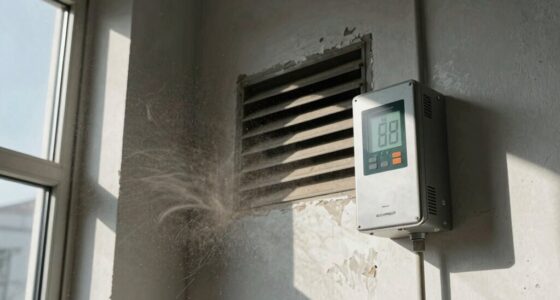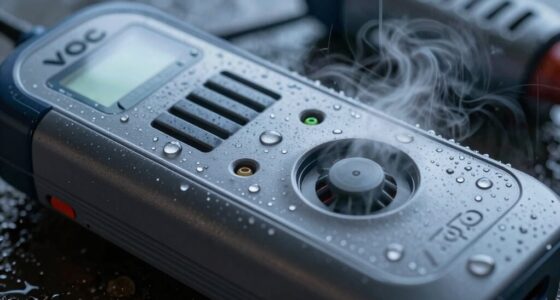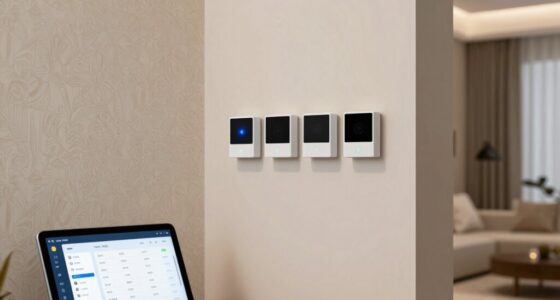
VOC numbers, especially TVOC levels, show you how much airborne chemicals are present in your indoor space. TVOC measures the total concentration of volatile organic compounds from various sources like paints, cleaners, and furniture. Higher levels indicate more pollutants, which can impact your health with symptoms like headaches or irritation. Understanding what your TVOC readings mean helps you make smarter choices to improve air quality. Continue exploring to learn how to keep your environment safer.
Key Takeaways
- VOCs are individual chemical compounds, while TVOC measures the total concentration of all volatile organic compounds in the air.
- TVOC provides a broad overview of indoor air quality, indicating overall chemical pollution levels.
- Measurement methods for TVOC involve sensors that detect a range of VOCs collectively, unlike analyzing specific compounds.
- Higher TVOC readings suggest increased emission sources and potential health risks indoors.
- Understanding TVOC levels helps assess air safety and guides improvements in ventilation and source control.

8-in-1 Indoor Air Quality Monitor, Portable Tester for Temperature, Humidity, HCHO, TVOC, Smart Sensor for Grow Tents, Bedroom, Home
- 8-in-1 Air Quality Monitoring: Tracks CO2, AQI, temperature, humidity, HCHO, TVOC
- High-Precision Sensors: Provides fast, accurate, real-time readings
- Long-Lasting Battery: Up to 72 hours on a single charge
As an affiliate, we earn on qualifying purchases.
As an affiliate, we earn on qualifying purchases.
What Are VOCs and Why Do They Matter?
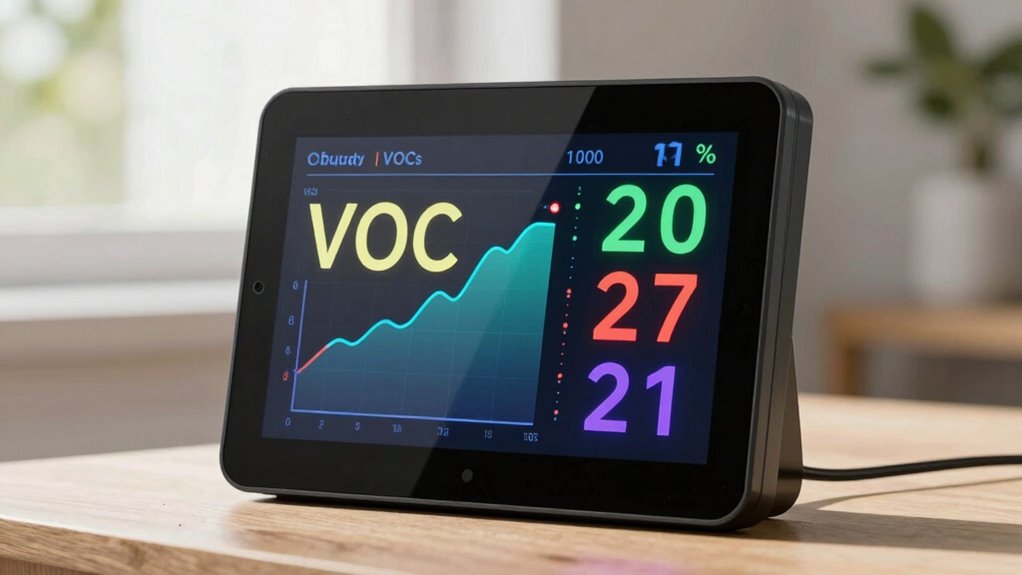
Have you ever wondered what VOCs are and why they’re important? VOCs, or volatile organic compounds, are a type of indoor pollutant that can impact air quality inside your home or workplace. These chemicals are emitted from everyday items like cleaning products, paints, and furniture. When present in high concentrations, VOCs can cause health issues such as headaches, eye irritation, or respiratory problems. Understanding VOCs helps you recognize the importance of maintaining good indoor air quality. By reducing sources of VOCs, like choosing low-emission products and ensuring proper ventilation, you can create a healthier environment. Staying aware of indoor pollutants like VOCs is key to protecting your health and improving overall air quality. Proper DIY ventilation techniques can significantly help in minimizing VOC buildup indoors. Additionally, being conscious of emission sources allows you to make informed choices to reduce indoor pollution. Recognizing air quality standards can also guide you in maintaining a safer indoor environment. Incorporating air purification methods, such as air filters, can further reduce VOC levels and improve overall indoor air health. Regularly testing indoor air with air quality monitors can help you track VOC levels and make timely adjustments to your environment.

DAYETTE Pet Air Purifier for Home Large Room 3400 Ft², TVOC & PM2.5 Sensors
- Enhanced Pet Mode: Captures pet hair, dander, and odors
- Dual-Sided Air Intake: Includes two HEPA filters and pre-filters
- Wide Grille Air Inlet: Ensures quick and efficient air purification
As an affiliate, we earn on qualifying purchases.
As an affiliate, we earn on qualifying purchases.
VOCs vs. TVOC: What’s the Difference?
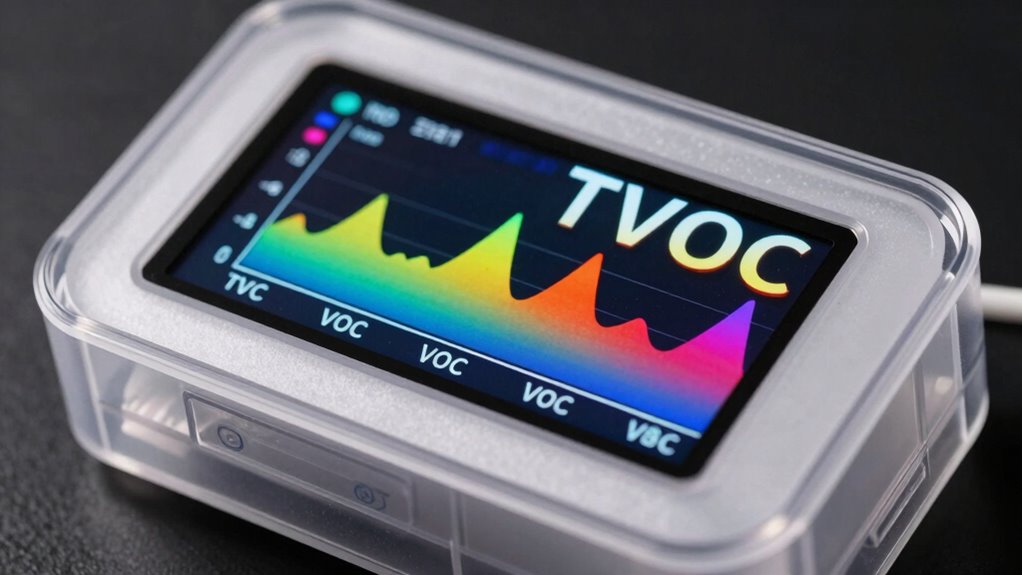
You might notice that VOCs and TVOCs are measured differently, which can affect how you interpret indoor air quality. While VOCs refer to individual chemicals, TVOC provides a broader estimate of total volatile compounds. Understanding these differences helps you better assess potential health risks in your environment. Additionally, knowing how measurement methods differ can aid in choosing the most accurate assessment tools for your space. Recognizing the measurement techniques involved can also help you interpret test results more effectively. Furthermore, detection limits can influence the accuracy of measurements, making it important to understand the sensitivity of testing methods to ensure reliable results. This knowledge is essential for understanding the accuracy of air quality assessments and making informed decisions about environmental safety.
Different Measurement Parameters
Understanding the difference between VOCs and TVOC is essential for accurately evaluating indoor air quality. Measurement parameters vary depending on the device and testing method used. VOC measurements focus on specific individual compounds, providing precise data on their concentration, which enhances measurement accuracy. In contrast, TVOC captures a broader spectrum of volatile compounds, offering an overall pollution level. Sampling frequency also plays a vital role; more frequent sampling can detect fluctuations in VOC levels, ensuring more reliable readings. Be aware that different sensors and testing protocols may influence results, so understanding these measurement parameters helps you interpret data correctly. Additionally, microplastics in dust can contribute to indoor pollution and impact air quality assessments. Recognizing that sensor calibration and testing conditions affect measurement outcomes allows for better interpretation of the data. Furthermore, measurement variability can occur due to environmental factors, making it important to consider context when analyzing results. Factors such as humidity and temperature can influence sensor accuracy and measurement consistency, underscoring the importance of controlled testing conditions. Being aware of sensor sensitivity helps in selecting appropriate devices for accurate indoor air quality monitoring. By recognizing these differences, you can better assess indoor air quality and choose appropriate monitoring tools for your environment.
Health Impact Variations
While both VOCs and TVOCs can impact indoor air health, their effects and risks differ markedly. VOCs, being individual compounds, may cause specific health risks depending on their toxicity and concentration. Short-term exposure can lead to symptoms like headaches, eye irritation, or dizziness, with risks increasing at higher levels. TVOCs, representing the total sum of all volatile compounds, can cause more generalized symptom variations, such as fatigue or respiratory discomfort, especially with prolonged exposure. Because TVOC levels reflect overall chemical presence, they offer a broader indication of potential health risks but don’t specify which compounds are responsible. Understanding these differences helps you identify which measurements to monitor and how to interpret their significance for your indoor air quality and health.

LifeBasis Air Quality Monitor Indoor, 11-in-1 Air Quality Detector
- Real-time 11-in-1 Air Quality Monitoring: Tracks AQI, gases, particles, temperature, humidity
- High-Precision Sensors: Includes NDIR CO2, laser, semiconductor sensors
- Color and Sound Alerts: Visual icons and audible alarms for unsafe levels
As an affiliate, we earn on qualifying purchases.
As an affiliate, we earn on qualifying purchases.
How Do You Measure TVOC Levels?

To measure TVOC levels, you’ll need specific devices and tools designed for air quality testing. Sampling methods and techniques vary, allowing you to gather accurate data in different environments. Once you have the data, understanding how to interpret the results helps you assess indoor air quality effectively. Proper placement of sensors is essential to obtain reliable readings, especially in areas where solar system safety considerations are critical. Additionally, selecting sensors that can detect a broad range of volatile organic compounds ensures comprehensive monitoring and accurate assessment of indoor air quality. Knowing the sensor calibration process is also vital to maintain accurate measurements over time.
Measurement Devices and Tools
Measuring TVOC levels requires specialized devices that can detect a wide range of volatile organic compounds quickly and accurately. These handheld or fixed monitors rely on sensor calibration to guarantee precise readings over time. Proper calibration involves adjusting the sensor to match known concentrations, preventing drift that could compromise device accuracy. High-quality sensors respond swiftly to changes in VOC levels, giving you real-time data essential for evaluating indoor air quality. When selecting a device, consider its ability to maintain calibration and its sensitivity across different VOCs. Regular maintenance and calibration checks keep your measurements reliable. sensor calibration is a crucial step in ensuring ongoing accuracy and consistency in your readings. Additionally, understanding the sensitivity range of your measurement device helps ensure it can detect VOCs at relevant concentrations. Ensuring proper device maintenance extends the lifespan and reliability of your measurement tools. Moreover, choosing a device with a wide detection range can provide more comprehensive air quality assessments, capturing both low and high VOC concentrations. Ultimately, choosing the right measurement tool ensures you get accurate, consistent readings, empowering you to make informed decisions about air quality management.
Sampling Methods and Techniques
Choosing the right sampling method is key to accurately evaluating TVOC levels in indoor environments. You need to follow proper sampling protocols to guarantee reliable data. Typically, this involves selecting between active sampling, which uses pumps to draw air through collection media, and passive sampling, where diffusion collects VOCs over time. Before sampling, you must calibrate your device to assure accurate readings. Device calibration ensures your instrument’s sensors are functioning correctly and provide consistent measurements. Proper calibration before each use helps avoid errors caused by instrument drift. Additionally, maintaining consistent sampling durations and conditions is essential for comparable results. By adhering to these sampling methods and ensuring device calibration, you’ll obtain precise and meaningful data on indoor TVOC levels.
Interpreting TVOC Data
Interpreting TVOC data involves understanding the concentration levels reported by your testing device. Chemical sensors measure these levels by detecting volatile compounds in the air, providing a numerical value that indicates overall VOC presence. Keep in mind that higher readings suggest increased chemical emissions, which could impact air quality. Some sensors are designed for odor detection, helping you identify if smells are linked to elevated TVOC levels. To accurately assess your environment, compare the readings to recommended safety thresholds, usually provided by health or environmental agencies. Remember, TVOC measurements aren’t specific to individual chemicals but give a general idea of air quality. Regular monitoring with reliable sensors allows you to take timely action to improve indoor air conditions.

Mold Test Kit for Home – 12 Simple Detection Tests,Test HVAC System,Home Surfaces,& Indoor Air Quality Testing Kits,DIY Mold Detector at Home,Includes Detailed Mold Identification Guide,air Tester
- Complete Home Mold Testing Kit: Includes 12 test plates, swabs, gloves, and guide
- Versatile Testing Locations: Tests indoor air, HVAC, surfaces, and vehicles
- Multiple Testing Options: Conducts 12 tests across different areas or 6 areas twice
As an affiliate, we earn on qualifying purchases.
As an affiliate, we earn on qualifying purchases.
What Do TVOC Numbers Really Mean for Your Indoor Air?
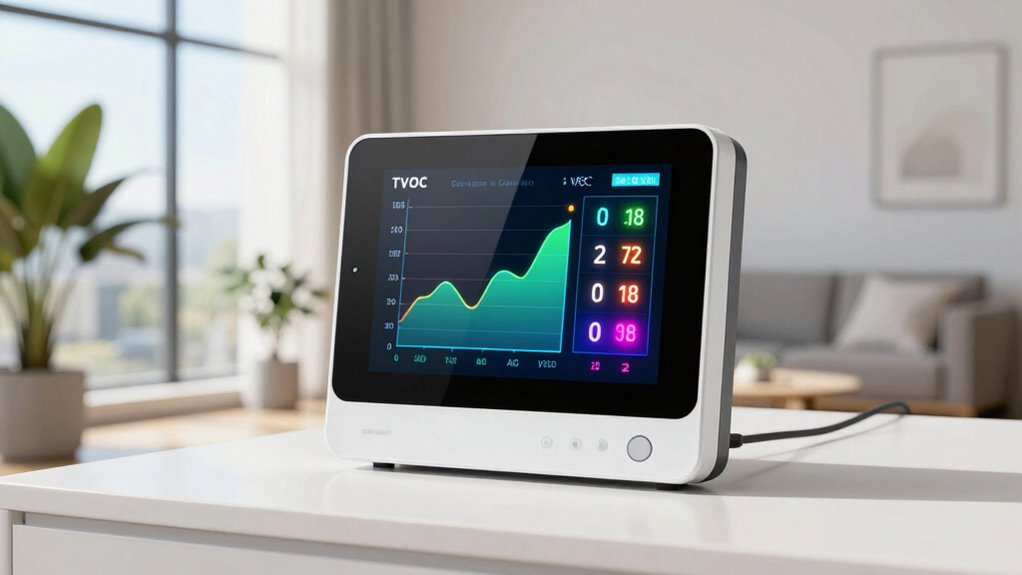
Have you ever wondered what TVOC numbers really tell you about the air inside your home? These numbers give you a snapshot of indoor pollutants that impact your air quality. A higher TVOC level indicates more volatile organic compounds floating around, which can cause headaches, dizziness, or irritate your lungs. Conversely, low TVOC readings suggest cleaner air with fewer harmful substances. While a specific number alone doesn’t diagnose health issues, it helps you gauge overall air quality and whether you need to improve ventilation or reduce sources of VOCs. Understanding these measurements empowers you to make informed decisions about your indoor environment, creating a healthier space for you and your family. Remember, maintaining ideal indoor air quality involves more than just monitoring TVOC numbers; it’s about creating a balanced, pollutant-minimized environment.
Common Indoor Sources of VOCs
Many common items and activities indoors release volatile organic compounds (VOCs), contributing to indoor air pollution. Building materials like pressed wood, vinyl flooring, and insulation often emit VOCs over time. Household cleaners, air fresheners, and disinfectants are also significant sources, releasing chemicals that can linger in the air. Paints and adhesives used during renovations or repairs are major contributors as well. Even appliances such as printers and cooking equipment release VOCs, especially when new. These emissions can build up, affecting air quality and potentially causing health issues. By understanding these sources, you can take steps to reduce VOC exposure, like choosing low-VOC products and increasing ventilation during and after use.
Are TVOC Levels Safe or Harmful?
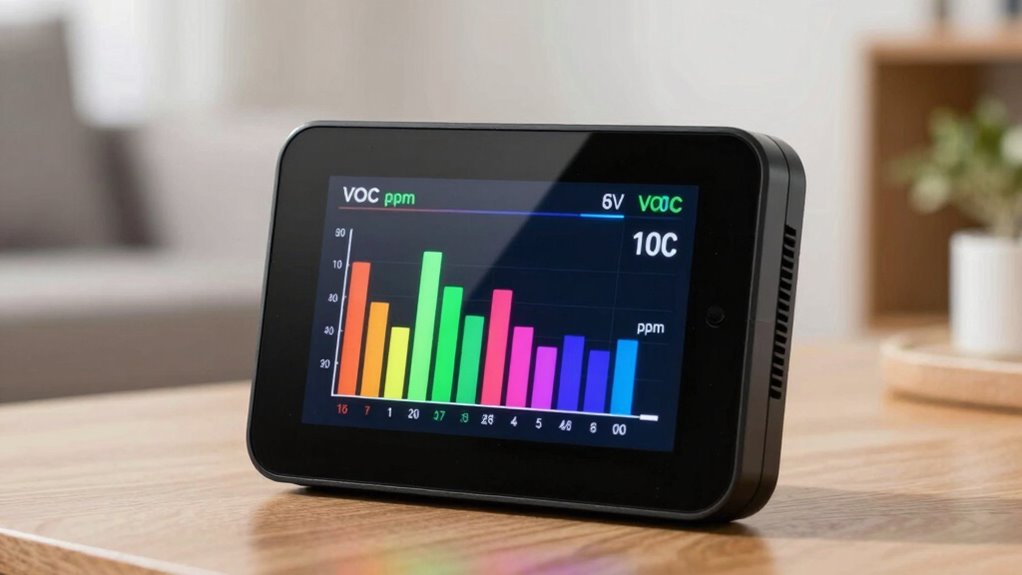
Are TVOC levels in your home safe or do they pose health risks? High concentrations of volatile compounds can negatively impact your indoor air quality, leading to headaches, dizziness, or respiratory issues. While low levels of TVOCs are common and often harmless, prolonged exposure to elevated levels may cause more serious health effects, especially for sensitive individuals. It’s important to understand that not all volatile compounds are dangerous, but when they accumulate in enclosed spaces, they can compromise your well-being. Monitoring TVOC levels helps determine if your air quality is within safe limits. If levels are too high, you might experience symptoms or long-term health concerns. Staying aware of your indoor environment is key to maintaining a healthy, safe living space.
How Air Purifiers and Ventilation Can Help Reduce VOCs
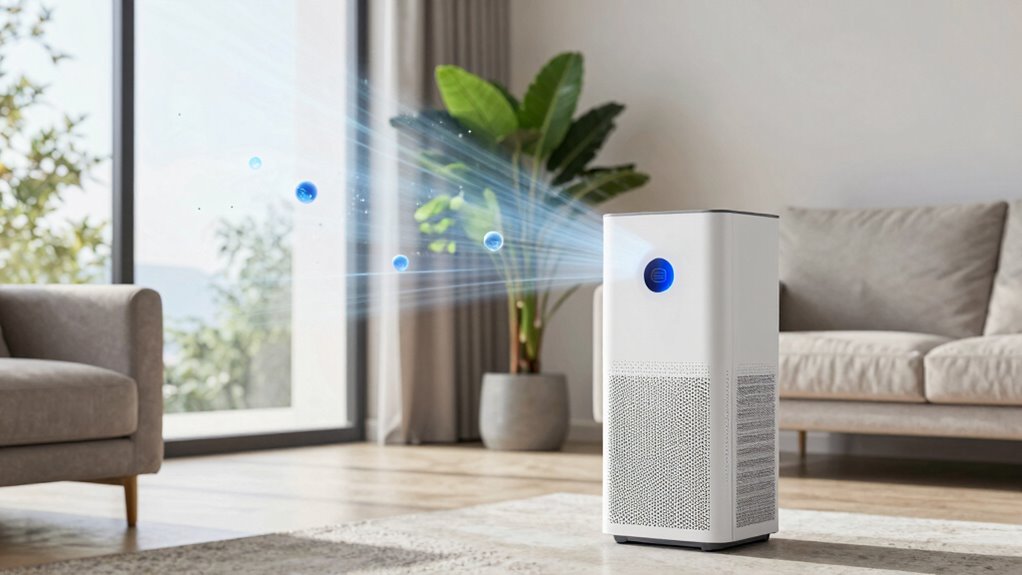
To effectively reduce VOC levels in your home, utilizing air purifiers and proper ventilation plays a crucial role. An efficient air purifier can remove VOCs from the air, especially models with activated carbon filters designed for VOC absorption. Combining this with effective ventilation strategies helps dilute indoor pollutants, preventing buildup. Here are three ways to improve VOC reduction:
Boost VOC reduction with air purifiers and proper ventilation strategies.
- Use an air purifier with high efficiency and replace filters regularly.
- Open windows and doors to promote cross-ventilation, especially when VOC sources are active.
- Incorporate exhaust fans in kitchens and bathrooms to remove indoor air contaminants quickly.
Simple Steps to Lower VOCs and Improve Air Quality
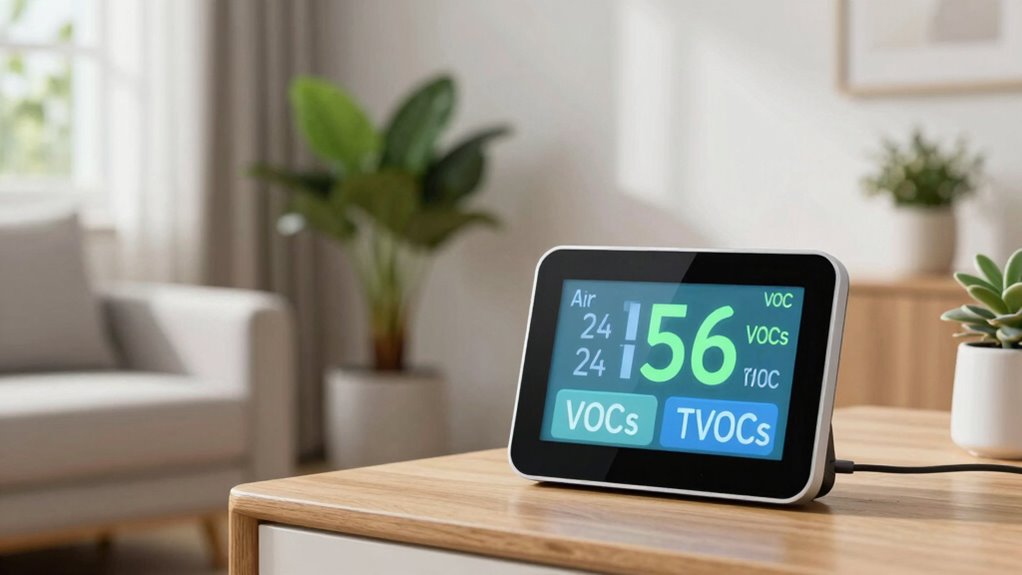
Implementing simple habits can substantially lower VOC levels and enhance your indoor air quality. Start by improving air filtration; use high-quality air purifiers with activated carbon filters to trap VOCs and odors effectively. Regularly replace filters to maintain their efficiency. Keep your space well-ventilated by opening windows or using exhaust fans, especially when using products that emit VOCs. Store chemicals, paints, and cleaning supplies in sealed containers away from living areas. Incorporate odor control strategies like houseplants or natural air fresheners to reduce lingering smells. Avoid smoking indoors and limit the use of highly scented products. These small steps create a cleaner environment, reduce VOC exposure, and improve overall air quality in your home.
Final Tips for Monitoring and Maintaining Healthy Indoor Air

Monitoring and maintaining healthy indoor air requires consistent effort and attention. Regularly check your air quality levels with a reliable monitor to identify VOC fluctuations. Use indoor plants like pothos or snake plants—they naturally filter airborne toxins and boost air quality. Invest in effective air filtration systems, such as HEPA or activated carbon filters, to reduce VOCs and other pollutants. To keep your air clean, follow these tips:
- Schedule routine air quality assessments and replace filters as needed.
- Incorporate indoor plants for natural air purification.
- Ensure proper ventilation, especially when using products that emit VOCs.
Frequently Asked Questions
How Often Should I Test My Home’s TVOC Levels?
You should test your home’s TVOC levels at least every three to six months to guarantee good air quality. Regular air quality monitoring helps you catch VOC build-up early. Use reliable VOC testing methods, like portable air quality monitors or professional assessments, to get accurate readings. If you notice strange odors or symptoms, test more frequently. Staying consistent with VOC testing keeps your indoor air safe and healthy.
Can Pets Influence Indoor TVOC Measurements?
Yes, pets can influence indoor TVOC measurements. Imagine the cozy warmth of your home, filled with pet odors and fur allergens lingering in the air. These substances release VOCs that can elevate TVOC levels, making the air seem more polluted. Your furry friends contribute to the indoor environment, so regular cleaning and good ventilation help reduce their impact on your TVOC readings, keeping your air healthier.
Do All Air Purifiers Effectively Reduce TVOC Levels?
Not all air purifiers effectively reduce TVOC levels. To guarantee proper TVOC reduction techniques, look for models with activated carbon filters or advanced filtration systems designed specifically for VOC removal. You should choose an air purifier with proven effectiveness in VOC reduction, and regularly maintain it for peak performance. While some purifiers focus on particulate matter, only those with specialized filters will effectively lower TVOC levels indoors.
Are There Specific Brands or Models Better for TVOC Detection?
Yes, some brands and models are better for TVOC detection due to superior sensor accuracy. When comparing brands, look for those with advanced sensor technology and positive user reviews. Brands like Dyson, Blueair, and Molekule often have more reliable sensors, offering accurate TVOC readings. Conduct a brand comparison to find the best fit for your needs, ensuring the air purifier effectively monitors and reduces VOC levels in your space.
How Do Seasonal Changes Affect Indoor TVOC Concentrations?
Seasonal variation acts like a weather vane for indoor air quality, shifting VOC levels throughout the year. In colder months, indoor TVOC concentrations often rise due to increased heating, reduced ventilation, and trapped pollutants. Conversely, warmer seasons may lower these levels as windows open and airflow improves. To maintain healthy indoor air quality, you should monitor TVOC levels seasonally and adjust ventilation and air purification accordingly.
Conclusion
Now that you know what TVOC levels really mean, you might wonder just how safe your indoor air truly is. Will those numbers stay in the safe zone, or could hidden sources be sneaking in more VOCs than you realize? Stay vigilant, keep monitoring, and take action before it’s too late. Your air quality’s future depends on what you do next—don’t let VOCs catch you off guard.