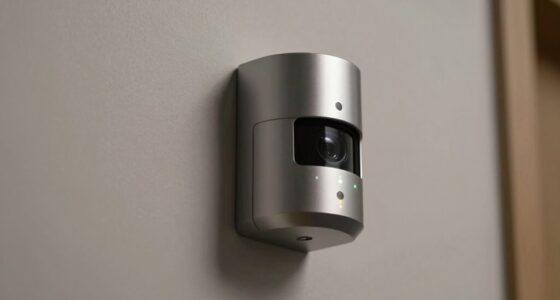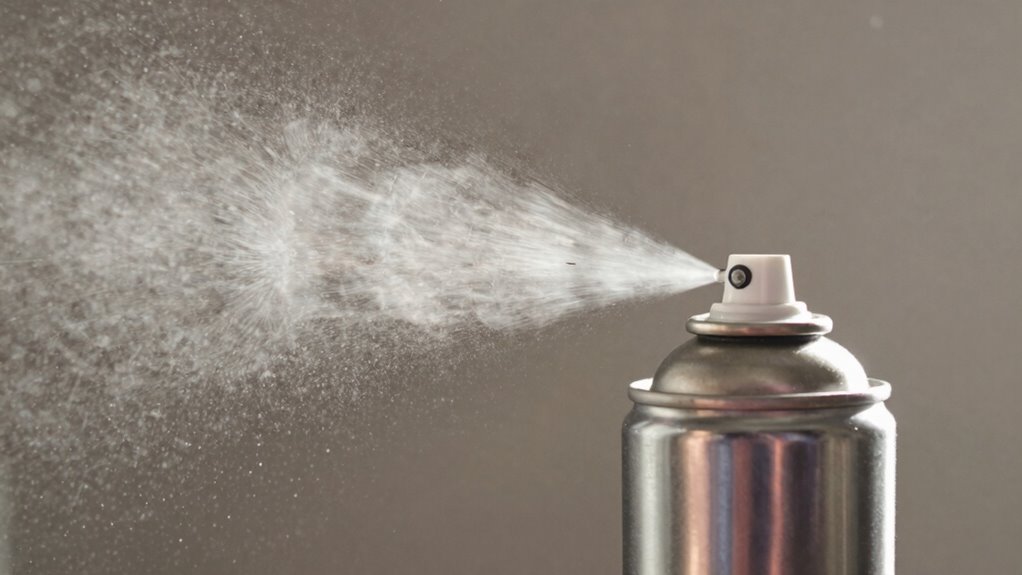

When you spray aerosols indoors, chemicals like VOCs, propellants, and fragrances disperse quickly into the air, causing sudden spikes on your air quality graphs. Poor ventilation traps these particles, making the chemical concentration rise almost instantly. Reactions between chemicals can create harmful compounds, further worsening air quality. If you continue, you’ll discover how ventilation and chemical reactions impact these rapid changes and what steps you can take to protect yourself.

Get home appliances delivered free with Prime
- Fast, free delivery on millions of items
- Prime Video, Amazon Music and more included
- Member-only deals all year
Key Takeaways
- Aerosol sprays release VOCs and chemicals that rapidly alter indoor air quality, causing sudden spikes in pollutant levels.
- The chemicals from aerosols can undergo quick reactions in enclosed spaces, producing more harmful compounds.
- Inadequate ventilation prevents dispersal of aerosol chemicals, leading to sharp increases in airborne pollutants.
- The buildup of aerosol particles and reaction byproducts can be immediately reflected as spikes in air quality graphs.
- Sudden chemical releases from aerosols can cause rapid deterioration of air quality, visible as abrupt graph “blows up.”

Have you ever wondered how aerosol sprays impact the air you breathe? When you press down on that can, releasing a burst of mist into your space, you might not realize how quickly it can alter your indoor air quality. Aerosol sprays are designed to disperse tiny particles into the air, and these particles often contain chemicals that can compromise the air you rely on for healthy breathing. The chemical composition of these sprays is a mixture of volatile organic compounds (VOCs), propellants, solvents, and fragrance agents, all of which can profoundly impact air quality in seconds. When these substances are released in a poorly ventilated room, they tend to linger, accumulating and raising the levels of airborne pollutants.
Indoor ventilation plays an essential role in how aerosols affect your environment. If your space lacks proper air exchange—meaning windows stay closed, fans are off, or ventilation systems are ineffective—the chemicals from aerosol sprays can build up rapidly. Without fresh air to dilute these substances, their concentration in the air spikes, leading to a quick deterioration of air quality. You might notice a sudden, sharp smell or experience irritation in your eyes, nose, or throat shortly after using a spray. This is because the chemicals are becoming concentrated in your indoor environment faster than they can dissipate. Proper ventilation is critical in minimizing the impact of aerosol chemicals on indoor air quality. Additionally, understanding chemical reactions can help you recognize how these substances transform in the air, often creating even more harmful compounds. Recognizing how these reactions occur rapidly highlights the importance of limiting aerosol use in enclosed spaces. Proper awareness of indoor air chemistry can further help in reducing the potential health risks associated with aerosol sprays.
As an affiliate, we earn on qualifying purchases.
Frequently Asked Questions
Can Aerosol Sprays Cause Long-Term Health Issues?
Yes, aerosol sprays can cause long-term health issues. When you use them, you expose yourself to chemicals that can lead to chemical exposure and respiratory risks over time. Repeated inhalation of these chemicals may contribute to chronic respiratory problems, allergies, or even more serious conditions like asthma or lung disease. To protect your health, minimize aerosol use and guarantee good ventilation whenever you do use sprays.
Are There Safer Alternatives to Aerosol Sprays?
Yes, there are safer alternatives you can enjoy. Eco-friendly options like natural air purifiers gently refresh your space without the harshness of aerosols. Instead of aerosol sprays, consider using essential oils in diffusers or plant-based cleaning products. These options help maintain good air quality while being kind to your health and the environment. Embracing natural air purifiers allows you to breathe easier and create a healthier home ambiance.
How Quickly Do Aerosol Sprays Impact Air Quality?
Aerosol sprays impact indoor pollution almost instantly through spray dispersion, releasing particles and chemicals into the air within seconds of use. You’ll notice a quick decline in air quality, as these sprays spread pollutants rapidly, affecting your health and breathing. The fine particles linger, making indoor pollution spike sharply. To protect yourself, consider safer alternatives, as aerosol sprays can cause significant air quality changes in just moments.
Do All Aerosol Sprays Have the Same Effect on Air Quality?
Not all aerosol sprays have the same effect on air quality. The impact depends on their chemical composition and propellant types. Some sprays contain volatile organic compounds (VOCs) that quickly degrade air quality, while others use less harmful propellants. You should check labels and choose products with eco-friendly ingredients, as different formulations can dramatically influence how much they pollute the air in your space.
Can Indoor Plants Improve Air Quality After Aerosol Spray Use?
Indoor plants can help improve air quality after aerosol spray use through plant filtration and air purification. You’ll notice that plants like pothos or snake plants absorb airborne toxins and boost oxygen levels. By adding these plants to your space, you support natural air purification, reducing lingering aerosols. Keep in mind, though, they work best as a supplement to proper ventilation, not a sole solution for aerosol contaminants.
As an affiliate, we earn on qualifying purchases.
Conclusion
In the end, it’s clear that aerosol sprays can dramatically skew your air quality readings in just seconds. While some might argue that occasional use isn’t a big deal, even infrequent sprays can introduce pollutants that distort your data and mask underlying issues. By understanding these impacts, you’re better equipped to maintain accurate air quality assessments. So, next time you reach for that spray can, consider the subtle but significant effect it could have on your environment’s true health.
air purifier for chemical pollutants
As an affiliate, we earn on qualifying purchases.
As an affiliate, we earn on qualifying purchases.
As an affiliate, we earn on qualifying purchases.
Fall Picks
fall essentials
As an affiliate, we earn on qualifying purchases.