Vacation homes need a different moisture strategy than primary residences because they often sit unused for long periods, increasing risks of mold, wood warping, and paint damage. You should focus on controlling humidity with automatic ventilation, dehumidifiers, and sealed building envelopes. Monitoring systems help maintain ideal conditions during absences. Implementing these techniques can save you money and protect your property—if you want to discover more effective moisture management approaches, keep exploring further.
Key Takeaways
- Vacation homes are unoccupied for extended periods, requiring specialized moisture control strategies to prevent mold and structural damage.
- Automated ventilation and dehumidification systems are essential to maintain optimal humidity levels during long absences.
- Sealing building envelopes and inspecting for leaks help prevent outside moisture intrusion when the property is unused.
- Regular monitoring with hygrometers and scheduled maintenance ensure moisture systems remain effective over time.
- Combining natural airflow techniques with mechanical systems offers flexible moisture management suited for infrequently occupied homes.

When it comes to vacation homes, managing moisture is crucial to prevent damage and maintain a comfortable environment. Unlike primary residences, these properties often sit unused for extended periods, making moisture control a unique challenge. You need strategies that keep humidity levels in check and ensure proper airflow, even when you’re not around regularly. Humidity control becomes essential to prevent issues like mold growth, wood warping, or paint deterioration. Because these homes may be closed up for weeks or months, moisture can accumulate quickly if not properly managed, leading to costly repairs or health concerns.
One of the most effective ways to combat this is through ventilation techniques. You want to promote air circulation to reduce dampness and stale air inside the property. Simple actions like installing exhaust fans in bathrooms and kitchens help remove excess moisture generated by daily activities. If your vacation home has windows, opening them periodically can also aid in exchanging indoor air with fresh outside air, lowering humidity levels naturally. When you’re away for long stretches, consider installing window or attic vents equipped with dampers that can be controlled remotely or automatically to allow airflow without risking unwanted intrusion or pests. Proper ventilation also helps in preventing stale air buildup, which can contribute to moisture problems. Additionally, incorporating air exchange systems can further enhance airflow and moisture removal, especially in tightly sealed homes. Proper airflow management is essential to ensure consistent moisture control, especially in homes that are not frequently occupied.
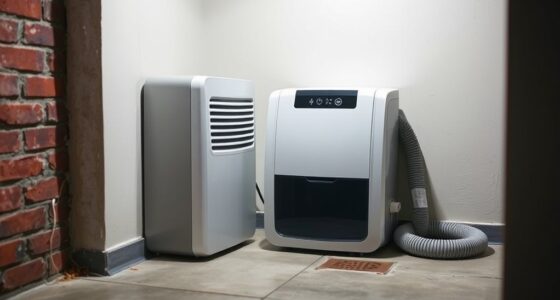
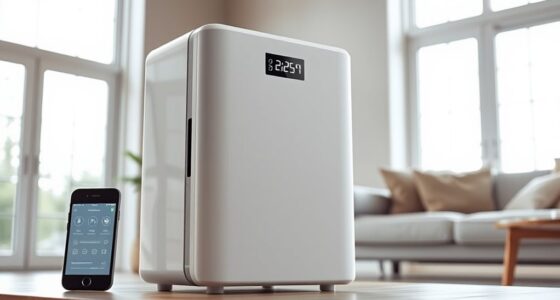
You should also think about using dehumidifiers, especially if your vacation home is located in a humid climate. These devices actively remove moisture from the air, maintaining suitable humidity levels. Some models come with smart features that can be programmed to operate during specific times, helping to maintain consistent moisture levels without requiring constant supervision. Ventilation techniques combined with dehumidification can greatly reduce the risk of mold and mildew, protecting both the structure and your health. Additionally, choosing energy-efficient models can help minimize operating costs during periods of infrequent use. Regular maintenance of these systems ensures they function effectively and extend their lifespan.
Another key aspect is ensuring the building envelope is well-sealed to prevent moisture infiltration from outside. Proper insulation, vapor barriers, and sealing gaps around windows and doors can help keep unwanted moisture at bay. When you’re not in the home, it’s also wise to keep the HVAC system running periodically or set on a timer to circulate air and maintain steady humidity levels. This reduces the chance of moisture buildup that can lead to mold or deterioration over time. Proper building envelope design and maintenance are essential for long-term moisture management. Additionally, inspecting the exterior for leaks or cracks before and after long absences can prevent unexpected moisture intrusion.
In essence, your vacation home needs a tailored moisture management plan that emphasizes humidity control and strategic ventilation techniques. Regularly monitoring indoor humidity with a hygrometer can help you stay on top of the situation. By implementing these measures, you ensure your property remains in good condition, ready for your next visit—free of mold, moisture damage, and uncomfortable dampness. Proper moisture management strategies are key to preserving the integrity and comfort of your getaway retreat.

Inkbird Humidity Controller IHC200 Humidistat for Mushroom Greenhouse
- Humidity Range: 5% to 99.99% RH
- Digital Display: Easy-to-read digital screen
- High Accuracy: ±3% RH accuracy
As an affiliate, we earn on qualifying purchases.
As an affiliate, we earn on qualifying purchases.
Frequently Asked Questions
How Often Should Vacation Homes Be Inspected for Moisture Issues?
You should inspect your vacation home for moisture issues at least twice a year, especially before and after seasons of disuse. Use moisture sensors to detect hidden problems early and guarantee indoor air quality stays healthy. Regular inspections help prevent mold, rot, and structural damage, which are common in unused or infrequently ventilated spaces. Staying proactive keeps your vacation home safe and comfortable for your next visit.
What Are the Best Moisture Barriers for Seasonal Properties?
For seasonal properties, the best moisture barrier types include polyethylene sheeting and vapor retarders, which effectively prevent moisture intrusion. When planning seasonal barrier installation, guarantee you choose high-quality materials suited to the climate and exposure. Proper installation is vital—seal all seams tightly and use appropriate fasteners. This approach helps protect your vacation home from moisture damage during periods of inactivity, keeping it dry and preserved until your next visit.
How Does Climate Impact Moisture Control in Vacation Homes?
You might think climate’s just a backdrop, but it’s actually your home’s moisture enemy, constantly shifting like a chameleon. Climate variability causes unpredictable temperatures and humidity, fueling moisture migration that can lead to mold or wood rot. In vacation homes, this means you must adapt your moisture control strategies. You’ll want reliable barriers and ventilation systems to combat these unpredictable swings, preserving your retreat’s integrity despite Mother Nature’s mood swings.
Are There Specific Ventilation Systems Recommended for Infrequently Used Homes?
Yes, for infrequently used homes, you should prioritize ventilation systems that include humidity monitoring and automatic ventilation optimization. These systems help maintain consistent moisture levels, preventing mold and wood damage. You might consider energy-efficient exhaust fans with sensors or smart ventilation controls that adjust airflow based on humidity readings. This way, your vacation home stays dry and well-ventilated, even when you’re not there regularly.
What Maintenance Routines Help Prevent Mold in Remote Vacation Properties?
To prevent mold in your remote vacation property, regularly inspect and clean ventilation systems, and control indoor humidity levels. Use moisture absorbers or dehumidifiers during off-season months. Keep indoor plants to help balance humidity, but avoid overwatering to prevent excess moisture. Also, implement pest control measures, as pests can introduce mold spores. Regularly open windows when you’re there and schedule routine maintenance to guarantee the property stays dry and mold-free.

4500 Sq. Ft Dehumidifier, Max 80 Pint Dehumidifier for Basement, Compressor Dehumidifiers for Home with Drain Hose, Smart Humidity Control, Energy Efficient, Quiet for Bedroom, Large Rooms.
- Dehumidification Capacity: Removes up to 80 pints daily
- Suitable for Large Spaces: Covers 4500 sq. ft.
- Quiet Operation: Operates at 40 dB for peaceful use
As an affiliate, we earn on qualifying purchases.
As an affiliate, we earn on qualifying purchases.
Conclusion
When it comes to your vacation home, it’s wise to approach moisture management with a gentle touch, understanding that these spaces breathe differently when left to their own devices. By adopting a tailored strategy, you help guarantee your retreat remains a haven of comfort rather than a quiet cradle for unforeseen issues. In doing so, you nurture a subtle harmony, allowing your getaway to quietly flourish, inviting you back time and again to its welcoming, well-tended embrace.
ventilation system with remote control
As an affiliate, we earn on qualifying purchases.
As an affiliate, we earn on qualifying purchases.

PUAISHIYE 10-Pack 8×11 Inch Insulated Shipping Mailers | Waterproof & Durable Self-Seal Envelopes for Food, Cosmetics, Health Products | Tamper-Proof Cold Packaging (Single-Use)
- Inner Usable Size: 8×10.8 inches for items
- Outer Size: 9×12.6 inches for shipping
- Fits 11-inch Tablets: Compatible with iPad Pro 11-inch
As an affiliate, we earn on qualifying purchases.
As an affiliate, we earn on qualifying purchases.