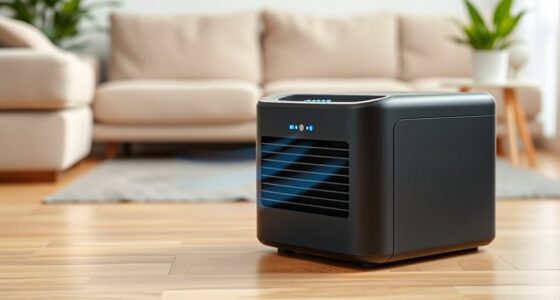
To prevent winter condensation, keep indoor humidity levels in check by ventilating regularly and using extractor fans in kitchens and bathrooms. Insulate walls, windows, and loft spaces to retain heat and stop cold surfaces from forming. Use double-glazed windows or thermal curtains for extra warmth. Balancing ventilation with insulation helps reduce moisture buildup and keeps your home dry. For more effective tips, continue exploring proven strategies to maintain a healthy, condensation-free home during winter.
Key Takeaways
- Ventilate regularly by opening windows or installing exhaust fans to reduce indoor humidity.
- Insulate walls, lofts, and windows to keep surfaces warm and prevent cold spots.
- Use trickle vents and thermal curtains to enhance airflow and retain heat.
- Maintain consistent indoor temperatures to minimize temperature differentials that cause condensation.
- Use dehumidifiers during damp or cold spells to control excess moisture in the air.

During winter, condensation can quickly become a problem, leading to damp walls, mold growth, and damage to your home. To prevent these issues, you need to focus on effective ventilation strategies and insulation techniques. Proper ventilation helps you control indoor humidity levels by allowing moist air to escape and fresh air to circulate. This reduces the moisture that condenses on cold surfaces. You can improve ventilation by regularly opening windows, especially in kitchens and bathrooms where moisture is generated most. Installing exhaust fans or air vents can also help maintain consistent airflow without letting warm air escape unnecessarily. Additionally, consider using trickle vents on your windows to ensure continuous air exchange, even when windows are closed.
Control indoor humidity with proper ventilation, regular window opening, and exhaust fans to prevent winter condensation buildup.
Insulation techniques are equally essential in winter condensation prevention. When your home is well-insulated, interior walls and windows stay warmer, decreasing the temperature differential that causes condensation. Focus on insulating exterior walls, lofts, and basements to keep heat inside and prevent cold spots where moisture can settle. Double-glazed windows are a smart investment, as they provide a barrier against the cold and reduce the likelihood of condensation forming on glass surfaces. You might also add thermal curtains or window insulators to further keep warmth in and cold out. These simple upgrades can make a notable difference in maintaining a consistent indoor temperature and reducing moisture buildup.
Combining ventilation strategies with good insulation creates a balanced environment where moisture is managed effectively. For example, if you increase ventilation but neglect insulation, cold surfaces may still cause condensation, while excessive insulation without proper airflow can trap moisture inside. Aim for a system where warm, moist air can escape safely, and cold surfaces are kept as warm as possible. Using dehumidifiers during particularly damp days can also help control excess humidity, especially in rooms that tend to retain moisture, like bathrooms or laundry areas. Recognizing the importance of support networks and seeking advice from professionals can further enhance your condensation prevention efforts.
Ultimately, your goal is to keep your home warm and dry while allowing moisture to escape. Regularly check for signs of condensation and address any problem areas promptly. By combining ventilation strategies with insulation techniques, you can reduce winter condensation considerably, protect your walls from dampness, and create a healthier living environment. Keeping these elements in balance ensures your home stays comfortable and free from the damage caused by excess moisture during the cold months.
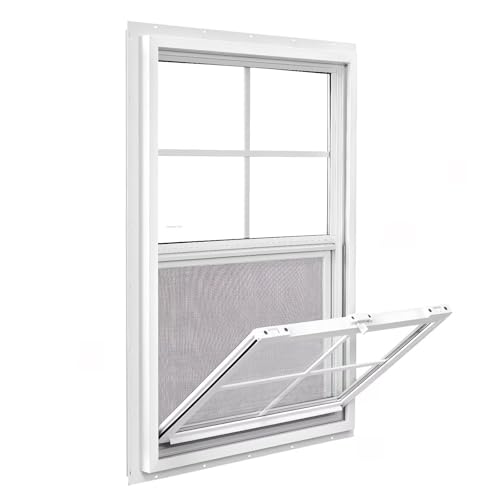
COLORPAPA 24" x 36" Vinyl Single Hung Window, White
- Energy-Efficient Double-Pane Design: High-quality vinyl with insulated glass
- Smooth Operation & Ventilation: Vertical sliding with tilt-in airflow adjustment
- Easy Installation: Pre-drilled holes and pre-installed screens
As an affiliate, we earn on qualifying purchases.
As an affiliate, we earn on qualifying purchases.
Frequently Asked Questions
How Does Indoor Humidity Affect Condensation in Winter?
Indoor humidity highly influences condensation in winter. When humidity control is poor, moisture levels rise, causing warm, moist air to meet cold surfaces, leading to condensation. You can prevent this by maintaining ideal humidity levels and ensuring proper ventilation. By controlling moisture levels, you reduce the risk of condensation buildup, which can cause mold and damage. Keep indoor humidity balanced to stay comfortable and protect your home during cold weather.
Can Certain Paints Help Prevent Window Condensation?
Yes, certain paint coatings can help prevent window condensation. Look for paints with moisture barriers that reduce the transfer of humidity and moisture buildup on walls and window frames. These specialized paints create a protective layer, minimizing condensation problems. Applying them around windows can help maintain a balanced indoor humidity level, especially during cold weather, and reduce the likelihood of moisture accumulating on glass surfaces.
Are There Specific Materials Better at Resisting Condensation?
Think of your home like a sponge that absorbs moisture; choosing the right materials keeps it dry. Insulation materials with high R-values and vapor barriers are your best defenses against condensation. They work like armor, preventing warm, moist air from hitting cold surfaces. Focus on sealing gaps and upgrading to moisture-resistant drywall, which can resist condensation buildup. These materials team up to keep your home dry and comfortable during winter’s chill.
How Do Heating Systems Influence Indoor Moisture Levels?
Your heating system influences indoor moisture levels by affecting humidity and temperature. A humidifier can add necessary moisture, balancing dry winter air, but overuse may increase condensation risks. Efficient heating maintains consistent indoor temperatures, reducing temperature differences that cause condensation. Properly calibrated systems improve heating efficiency and control humidity, helping you prevent excess moisture buildup. Keep an eye on humidity levels and adjust your heating system accordingly to maintain a comfortable, condensation-free environment.
What Are the Long-Term Effects of Winter Condensation on Walls?
Winter condensation can cause long-term damage by leading to moisture buildup and wall deterioration. Over time, persistent moisture weakens paint, causes mold growth, and damages insulation. This deterioration not only affects your walls’ appearance but also compromises your home’s structural integrity. You might notice peeling paint, musty odors, or increased energy costs. Addressing condensation early helps prevent these issues, protecting your walls and ensuring a healthier, more durable living environment.
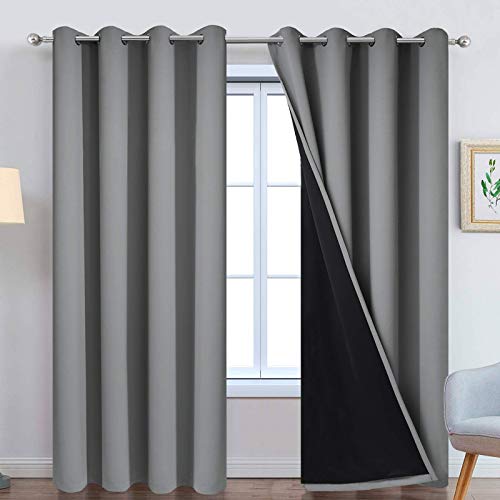
Yakamok Grey 100% Blackout Curtain Panels 84 inches, 52" Wide, 2 Panels
- Package Includes: 2 panels, each 52" wide x 84" long
- Easy to Hang: Silvery grommets fit many rods
- Complete Blackout: Blocks 100% sunlight and UV rays
As an affiliate, we earn on qualifying purchases.
As an affiliate, we earn on qualifying purchases.
Conclusion
By taking simple steps to prevent condensation, you can keep your home dry and comfortable all winter long. Remember, according to recent studies, indoor humidity levels should stay between 30-50% to reduce mold growth and condensation issues. Just a small effort, like proper ventilation and insulation, can make a big difference in avoiding dampness and mold, saving you money and health problems down the line. Stay proactive, and enjoy a cozy, moisture-free winter!

BEDRED Dehumidifier, 95OZ Dehumidifier for Home 1000 sq ft – Quiet with Auto Shut Off & Relaxing 7 Color Ambient Light, Ideal for Livingroom, Bedroom, Basement (Black)
- Cooling Technology: Thermoelectric cooling removes moisture
- Auto Shutoff: Automatically powers down when full
- Ambient Lighting: 7-color soothing ambient light
As an affiliate, we earn on qualifying purchases.
As an affiliate, we earn on qualifying purchases.

Broan-NuTone Bathroom Exhaust Fan, 50 CFM Modern Grille, Energy Star Fan, 2.0 Sones
- Ventilation Capacity: 50 CFM for small bathrooms
- Energy Efficiency: Energy Star Certified, 2.0 Sones
- Easy Installation: No-cut, attic access not required
As an affiliate, we earn on qualifying purchases.
As an affiliate, we earn on qualifying purchases.