

To maintain ideal humidity in guest rooms, you need active monitoring and adjustments. Use a reliable hygrometer regularly and aim for 40-50%. When humidity drops or rises, adjust with humidifiers or dehumidifiers accordingly. Keep the room ventilated and check levels during seasonal changes. Small, consistent efforts boost comfort and air quality—it’s not a “set and forget” task. Keep going, and you’ll discover how simple tweaks can make a big difference.
Open a free Amazon Business account
Business pricing, bulk buying and tax-exempt orders.
As an affiliate, we earn on qualifying purchases.
Key Takeaways
- Regularly monitor humidity levels with a reliable hygrometer to ensure they stay within the optimal 40-50% range.
- Adjust humidifiers and dehumidifiers seasonally to maintain consistent, comfortable air quality.
- Ventilate the room frequently by opening windows or using exhaust fans to prevent stale air buildup.
- Conduct routine maintenance and inspections of airflow, humidity devices, and filters for optimal performance.
- Stay attentive to seasonal changes and weather conditions, adjusting settings accordingly for consistent comfort.

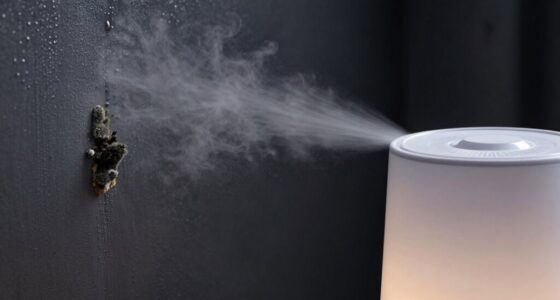
Maintaining the right humidity level in your guest room is essential for ensuring visitors feel comfortable and at home. It’s not just about setting a humidifier or dehumidifier and leaving it alone; consistent adjustments are key to managing air quality and temperature control. When humidity levels are too low, your guests might experience dry skin, irritated eyes, or sore throats. Conversely, overly humid air can lead to stuffiness, mold growth, and a musty smell. Striking that perfect balance creates a healthier, more inviting environment.
Balancing humidity levels creates a healthier, inviting guest room environment.
To do this effectively, you need to monitor your guest room regularly. Invest in a reliable hygrometer—this small device helps you track humidity levels precisely. Aim for a range of about 40-50%, which is generally ideal for comfort and air quality. If the reading drops below this, adding moisture with a humidifier can bring the air to a more comfortable level. If it climbs too high, a dehumidifier or increased ventilation helps restore balance. Remember, temperature control is closely linked to humidity levels; warmer air can hold more moisture, so adjusting the room’s temperature can also impact comfort and air quality.
You shouldn’t just set your humidity controls and forget about them. Instead, check your hygrometer daily, especially during seasonal changes or weather fluctuations. During colder months, heating can dry out the air, so you might need to increase humidity. In humid seasons, ventilation and dehumidification become more critical. If your guest room has poor ventilation, stale air can accumulate, affecting both air quality and temperature. Opening a window occasionally or running an exhaust fan helps maintain fresh, breathable air. Additionally, understanding the importance of air circulation can help you optimize overall air quality. Properly managing airflow ensures that fresh air is circulated efficiently and prevents the buildup of pollutants or excess humidity.
Proper air quality isn’t just about humidity—air circulation plays a role, too. Keep the room well-ventilated, and consider using air purifiers if necessary. Fresh, clean air improves overall air quality and makes the space more inviting. Regularly checking and maintaining airflow can help prevent stale or contaminated air from building up. When adjusting temperature control, keep in mind that comfort isn’t solely about the thermostat. A slightly cooler or warmer room, combined with optimal humidity, can significantly enhance your guests’ experience.
In the end, the best humidity routine isn’t “set and forget.” It requires regular attention to air quality and temperature control. By actively managing these elements, you’ll create a guest room that’s not only comfortable but also healthier and more welcoming. This small effort makes a big difference in how your visitors feel during their stay, ensuring they leave with a positive impression of your hospitality.
digital hygrometer for humidity monitoring
As an affiliate, we earn on qualifying purchases.
As an affiliate, we earn on qualifying purchases.
Frequently Asked Questions
How Often Should I Check the Humidity Levels in Guest Rooms?
You should check the humidity levels in guest rooms at least once a week to guarantee guest comfort and proper room maintenance. Regular monitoring helps you maintain an ideal humidity range, preventing issues like mold or dry air. Keep a hygrometer handy, and adjust humidifiers or dehumidifiers as needed. Consistent checks ensure your guests enjoy a comfortable stay and protect your property from potential humidity-related problems.
What Is the Ideal Humidity Range for Guest Comfort?
Did you know that maintaining humidity between 30-50% can considerably improve air quality and comfort? For your guest room, keep the humidity in this range to support ideal temperature control and prevent mold or allergens. This balance makes the space more inviting and healthy. Regularly monitor and adjust humidity levels to guarantee guests enjoy a comfortable, fresh environment, especially when weather changes or air quality fluctuates.
Can Humidity Levels Affect Guest Health or Allergies?
Yes, humidity levels can impact your guests’ health and allergies. If the air is too dry, airborne allergens like dust mites and mold spores may become more concentrated, aggravating respiratory health issues. Conversely, overly humid environments promote mold growth, which can trigger allergies and asthma symptoms. Maintaining ideal humidity helps reduce airborne allergens, supporting better respiratory health and ensuring your guests feel comfortable and safe during their stay.
What Tools Are Best for Monitoring Humidity in Guest Rooms?
Think of humidity sensors and moisture meters as your room’s health check-up tools—they help you stay ahead of issues. I once used a digital humidity sensor that alerted me to dry air before guests even noticed. These tools provide real-time data, so you can adjust humidity levels promptly. For accuracy, choose reliable digital sensors or moisture meters, which give precise readings and guarantee your guests breathe easy.
How Do Seasonal Changes Impact Humidity Routines?
Seasonal changes greatly impact humidity routines by causing fluctuations that you need to address. During winter, you might need to add a humidifier to combat dry air, while in summer, using a dehumidifier helps prevent excess moisture. Regularly monitor humidity levels and make seasonal adjustments accordingly. This proactive approach ensures your guest room remains comfortable and balanced year-round, avoiding the risks associated with humidity fluctuations.
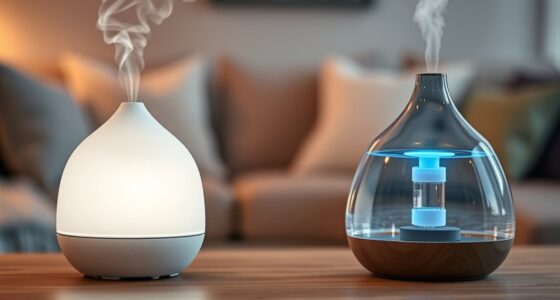
adjustable humidifier for guest rooms
As an affiliate, we earn on qualifying purchases.
As an affiliate, we earn on qualifying purchases.
Conclusion
Remember, maintaining the right humidity in guest rooms isn’t a set-it-and-forget-it task. Regular adjustments guarantee your visitors stay comfortable and healthy. Did you know that ideal indoor humidity levels can reduce allergens and mold growth by up to 50%? Keep an eye on humidity levels with a reliable monitor, and tweak your routine as needed. A little attention now makes your guest experience more enjoyable—and healthier—for everyone.
compact dehumidifier for small spaces
As an affiliate, we earn on qualifying purchases.
As an affiliate, we earn on qualifying purchases.
As an affiliate, we earn on qualifying purchases.
NFL season / tailgating Picks
team gear
As an affiliate, we earn on qualifying purchases.




![Pedestrian Walkways No Place For Chairs And Tables [WATCH] - NST Online](https://pureairadviser.com/wp-content/uploads/2026/09/pedestrian-walkways-no-place-for-chairs-and-tables-watch-nst-online-featured-260x140.jpg)
