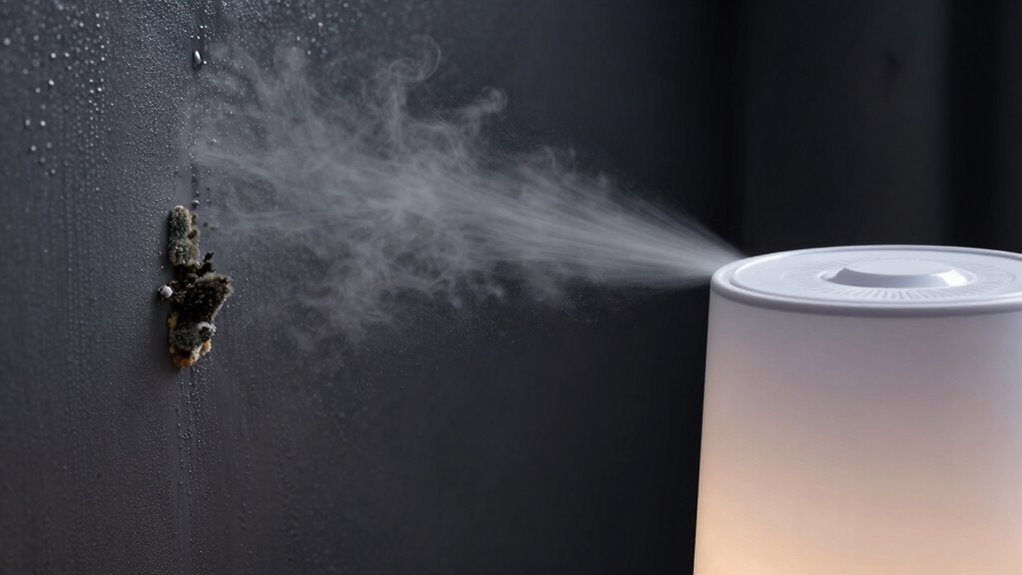

Humidifiers can help improve air quality and comfort, but if you don’t clean them regularly or use excessive humidity, mold can grow and pose health risks. Mold finds a damp, stagnant environment, especially with mineral deposits and poor maintenance. To stay safe, use distilled water, clean your humidifier weekly, and keep humidity levels between 30-50%. If you want to learn how to prevent mold and keep your air healthy, keep exploring these tips.

Get home appliances delivered free with Prime
- Fast, free delivery on millions of items
- Prime Video, Amazon Music and more included
- Member-only deals all year
Key Takeaways
- Humidifiers can promote mold growth if used with unclean water or not cleaned regularly.
- Excess humidity above 50% increases the risk of mold proliferation in and around humidifiers.
- Mold spores can become airborne, degrading indoor air quality and posing health risks.
- Proper maintenance, including weekly cleaning and using distilled water, prevents mold development.
- Disassembling and thoroughly disinfecting parts at the first sign of mold stops its spread and maintains safe operation.
Products Worth Considering

eufy Security eufyCam C37 4-Camera Kit with 360° Pan and Tilt, Auto Tracking, 2K Video, and Solar Panels

Levoit Core 400S-P Smart Air Purifier for Large Rooms

Levoit Vital 100S-P Air Purifier with Washable Pre-Filter
As an affiliate, we earn on qualifying purchases.
Why Mold Can Grow in Your Humidifier: And How to Prevent It
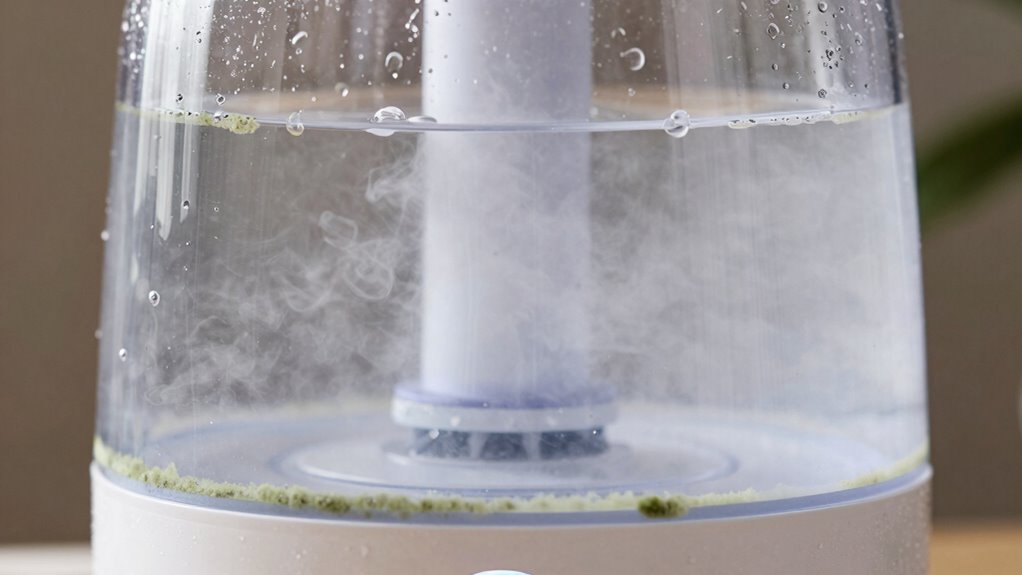
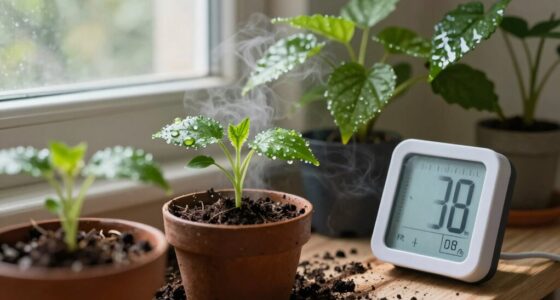
Mold can grow in your humidifier if you don’t clean it regularly, especially because the moist environment provides an ideal breeding ground. Poor air quality can worsen mold development, as mold spores thrive in damp, stagnant air. Maintaining proper humidity levels—ideally between 30% and 50%—helps prevent mold growth by reducing excess moisture that mold needs to flourish. When humidity is too high, your humidifier creates an environment perfect for mold to develop and spread. Regular cleaning disrupts mold’s ability to establish itself, ensuring the air you breathe remains healthier. Keeping your humidifier dry when not in use and using clean, distilled water also minimizes mold risk. Additionally, understanding contrast ratio can help you select humidifier models with better performance in various environments. These simple steps help maintain better air quality and prevent mold from becoming a problem.
How to Spot Mold Growth in Your Humidifier
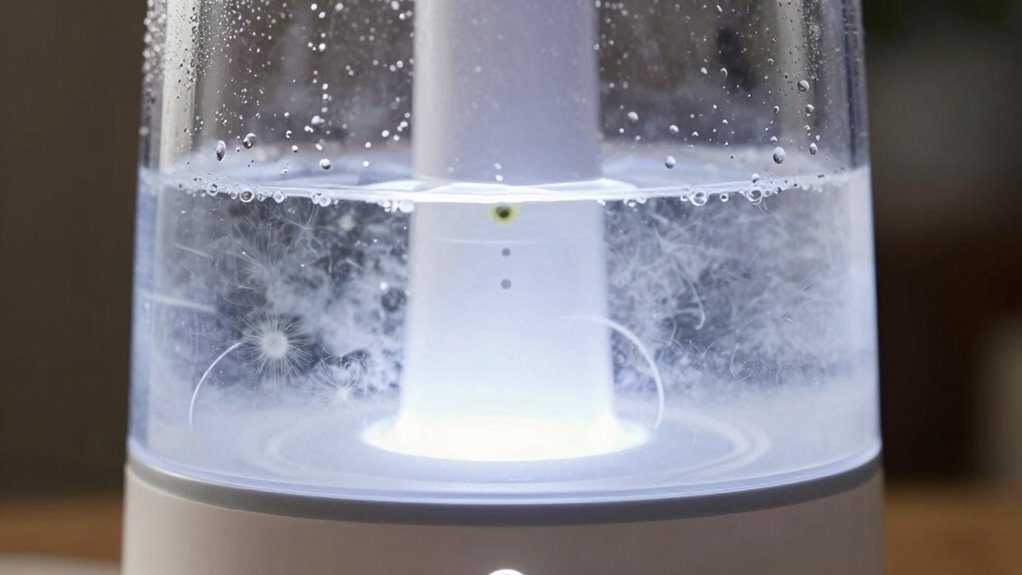
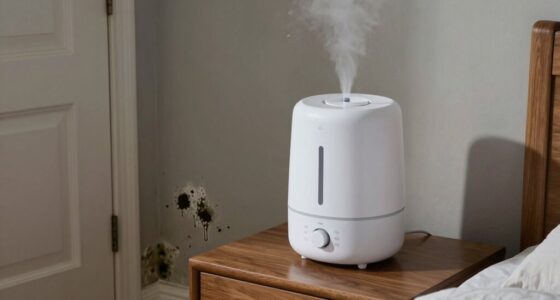
Spotting mold growth in your humidifier is essential for maintaining healthy air quality. Look for surface discoloration, which often appears as green, black, or gray spots on the tank or filter. Mold releases airborne spores that can become airborne and circulate in your space, so catching it early is vital. Regular inspection helps prevent health issues caused by inhaling spores and reduces the risk of mold spreading. Additionally, understanding Free Floating mold spores can help you better assess the risks associated with mold in your environment. Being aware of Indoor Air Quality factors can guide you in preventing mold proliferation in your home. Recognizing mold growth patterns can further aid in early detection and effective removal. Monitoring moisture levels within your humidifier is also crucial, as excess moisture creates an ideal environment for mold development. Ensuring proper ventilation can also significantly reduce the chances of mold growth by controlling moisture buildup.
Best Practices for Using Your Humidifier Safely and Mold-Free
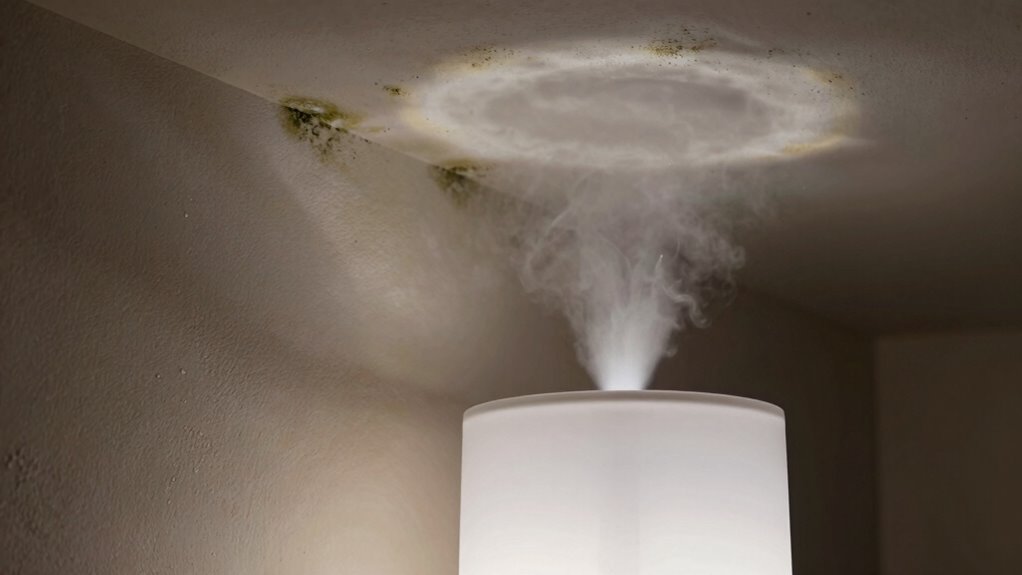
To keep your humidifier safe and mold-free, maintaining proper usage guidelines is vital. Follow these mold prevention tips to guarantee humidifier safety. First, always use distilled or filtered water to reduce mineral buildup. Second, clean your humidifier thoroughly at least once a week to prevent mold growth. Third, avoid over-humidifying your space; keep humidity levels between 30-50%. Fourth, place your humidifier on a flat, waterproof surface away from walls and furniture. Additionally, empty the tank daily and let it dry completely before refilling. Proper placement and regular maintenance are essential for humidifier safety and efficiency. Regularly inspecting your device for any signs of mold or mineral deposits can help catch issues early, especially in humidifier environments prone to moisture buildup. Using the right water type can significantly reduce mineral deposits, which contribute to mold growth. Ensuring proper airflow and ventilation in the room can also help prevent excess moisture accumulation that fosters mold development. By adhering to these best practices, you minimize mold risks and keep your humidifier operating safely. Proper use not only protects your health but also extends your device’s lifespan.
Maintenance Tips to Keep Your Humidifier and Home Mold-Free
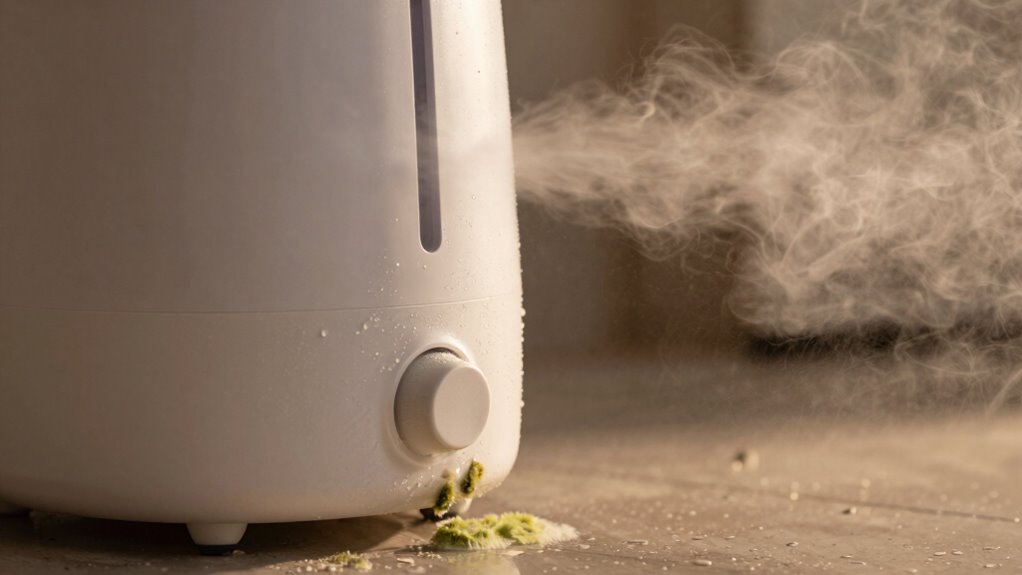
Regular maintenance is essential to keep your humidifier functioning properly and prevent mold from developing in your home. Regularly cleaning the device guarantees it doesn’t become a breeding ground for mold spores, which can negatively impact your air quality. Always empty and dry the tank daily to prevent moisture buildup. Use a mixture of vinegar and water to disinfect parts weekly, removing any mineral deposits or mold residues. Check and replace filters as recommended to maintain ideal humidity control and air quality. Keep the surrounding area clean and ensure your humidifier is placed on a stable, moisture-resistant surface. Proper maintenance not only prolongs your humidifier’s lifespan but also helps keep mold at bay, ensuring your home remains healthy and comfortable. Additionally, understanding proper storage techniques can prevent mold growth during periods of non-use, safeguarding your investment and indoor air quality. Regularly inspecting your humidifier for signs of mold or mineral buildup is also crucial in preventing health hazards. Remember that humidifier placement also plays a vital role in maintaining optimal indoor humidity levels and preventing excess moisture that can lead to mold formation. Proper humidifier maintenance ensures your device functions efficiently and reduces the risk of mold development inside your home.
What to Do If You Find Mold in Your Humidifier
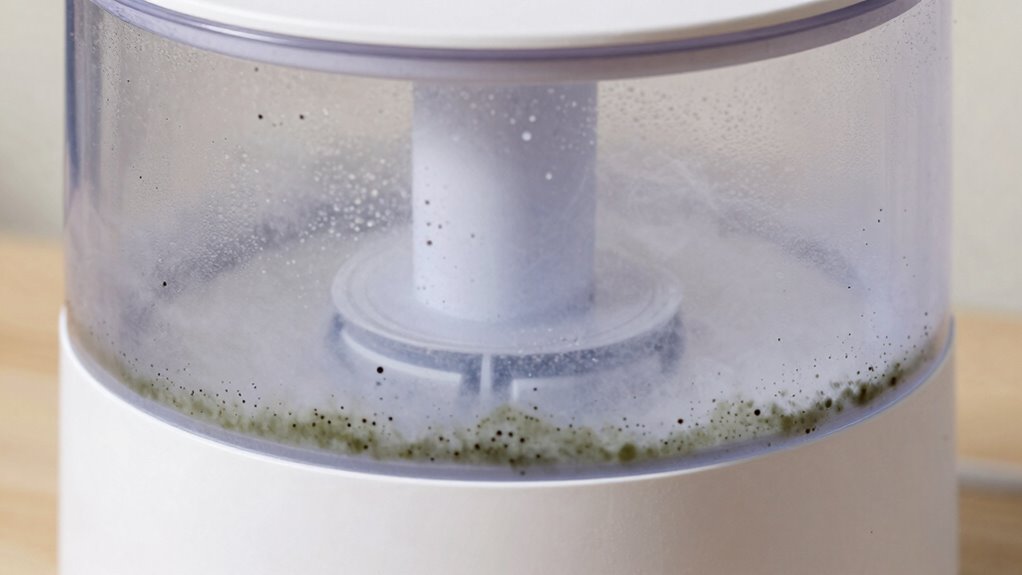
If you discover mold in your humidifier, it’s important to act quickly to prevent it from spreading and affecting your home’s air quality. Start with thorough mold removal by disassembling the unit and scrubbing all parts with hot water and vinegar or a mild disinfectant. Proper humidifier cleaning is essential to eliminate mold spores and prevent future growth. Remember these key steps:
- Unplug the humidifier before cleaning
- Use a brush to scrub all surfaces
- Rinse thoroughly to remove residue
- Dry all parts completely before reassembling
- Regular cleaning helps maintain humidifier efficiency and prevent mold buildup. Additionally, understanding mold risks can motivate diligent maintenance routines. Regularly monitoring indoor humidity levels can also help prevent mold growth, since excess moisture creates a perfect environment for mold spores to thrive. Maintaining proper humidity levels is a crucial component of mold prevention and overall indoor air quality.
Never ignore mold signs, as inhaling mold spores can harm your health. Quick action ensures a safe, mold-free environment.
Frequently Asked Questions
Can Mold in Humidifiers Cause Health Problems Beyond Allergies?
Yes, mold in humidifiers can cause health problems beyond allergies. When mold spores become airborne, you might experience respiratory issues like coughing, wheezing, or trouble breathing. People with asthma or weakened immune systems are especially at risk. Regularly cleaning your humidifier helps prevent mold growth and protects your respiratory health. If you notice mold, discard the filter and sanitize the device to keep mold spores from affecting your well-being.
Are Certain Humidifier Types More Prone to Mold Growth?
Think of humidifiers as gardens—you need diligent maintenance to prevent mold from taking root. Certain types, like warm mist models, are more prone to mold growth because their internal parts are harder to clean. To prevent mold, you must prioritize humidifier maintenance, regularly clean and disinfect, and choose models with accessible parts. This proactive approach keeps your environment healthy and mold-free, ensuring your humidifier remains a helpful tool instead of a health hazard.
How Often Should I Replace the Water in My Humidifier?
You should replace the water in your humidifier daily to prevent mold and bacteria buildup. Using fresh, clean water improves water quality and extends the humidifier’s lifespan. Regularly changing the water guarantees the device functions efficiently and reduces health risks. If you notice mineral deposits or mold, clean the unit thoroughly before refilling. Consistent maintenance keeps your humidifier safe, effective, and helps it last longer.
Are Antibacterial or Mold-Resistant Humidifiers Effective?
Think of antibacterial and mold-resistant humidifiers as shields against unseen enemies. They are effective because their antibacterial coatings and mold-resistant materials actively fight mold and bacteria growth. These features help keep your humidifier cleaner longer, reducing health risks. However, you still need to clean your device regularly, as no technology completely replaces good maintenance. So, yes, these humidifiers provide extra protection, but don’t rely solely on them—keep up with routine cleaning.
What Are the Long-Term Effects of Using a Mold-Contaminated Humidifier?
Using a mold-contaminated humidifier can lead to ongoing mold exposure, which may harm your respiratory health over time. You might experience symptoms like coughing, wheezing, or nasal congestion. Long-term effects could include chronic respiratory issues or allergies. To protect yourself, regularly clean your humidifier and replace filters, especially if you notice mold or a musty smell. Staying vigilant helps prevent health problems caused by mold exposure.
Conclusion
So, enjoy your humidifier—just don’t forget it’s basically a mold magnet in disguise. Regular cleaning and vigilance turn this supposed health helper into a sneaky villain. After all, who knew that adding moisture to your home could come with a side of mildew? Stay one step ahead, or soon you’ll be hosting a tiny, furry city of mold. Cheers to a healthier, mold-free home—because nobody needs that uninvited, fuzzy roommate.