
Balancing humidity with radiator heat is tricky because radiators dry out indoor air, leading to discomfort and health issues like dry skin and respiratory problems. You need to monitor humidity levels carefully and use natural methods like indoor plants or bowls of water, along with mechanical tools like humidifiers and hygrometers. It’s a constant process of adjustment, and if you want to learn how to manage it effectively, there’s more to discover beyond this.

Get home appliances delivered free with Prime
- Fast, free delivery on millions of items
- Prime Video, Amazon Music and more included
- Member-only deals all year
Key Takeaways
- Radiator heat dries indoor air, making humidity control challenging and requiring ongoing monitoring.
- Natural methods like indoor plants help increase humidity but need careful management to prevent excess moisture.
- Mechanical devices such as humidifiers and hygrometers are essential for maintaining balanced humidity levels.
- Overhumidifying risks mold growth, while under-humidifying causes discomfort, highlighting the importance of precise control.
- Effective humidity balancing involves combining natural techniques, mechanical tools, and proper ventilation for stable indoor climate.
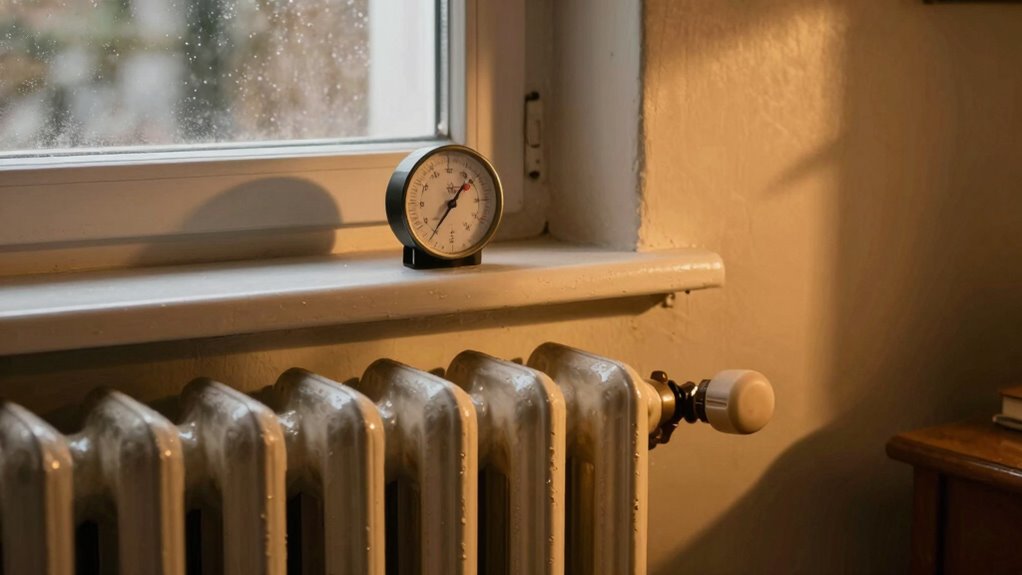
When you rely on radiators to heat your home, maintaining proper humidity levels can be challenging but essential for comfort and health. Radiator heat tends to dry out the air, leading to discomfort, dry skin, and even respiratory issues. To counteract this, you might consider indoor plant care—placing certain plants in your space can naturally boost humidity, as they release moisture through transpiration. However, simply adding plants isn’t enough; you need to monitor humidity carefully to prevent issues like mold or overwatering. That’s where humidity control devices come in. These tools help you maintain consistent moisture levels, making your environment more comfortable and healthier.
Managing humidity with radiators isn’t just about adding moisture; it’s about balancing it. If you try to increase humidity too much, you risk creating a damp environment that fosters mold growth or attracts pests. Too little, and you’ll suffer from dry skin or irritated sinuses. Humidity control devices, such as humidifiers or hygrometers, allow you to measure and adjust humidity precisely. A good hygrometer shows you the current moisture level, so you can respond accordingly with a humidifier or natural methods like placing bowls of water near radiators. When you use humidity control devices effectively, you create a stable environment that feels cozy without becoming damp or dry. Additionally, understanding how indoor air quality interacts with humidity levels can help you create a healthier environment overall.
Balancing humidity prevents mold and dryness with smart use of humidifiers and hygrometers.
Indoor plant care can be a stylish and natural way to help with humidity, but it requires vigilance. Overwatering your plants or placing too many in a small space can cause excess moisture, leading to mold and mildew. Conversely, neglecting them means you miss out on their natural humidifying benefits. You need to choose the right plants—such as ferns or pothos—that thrive in indoor humidity and don’t demand constant attention. Regularly check your plants’ soil moisture and ensure they’re healthy; their transpiration will help add moisture to the air, but only if managed properly. It’s also important to consider the overall environment and how it influences humidity levels; factors like ventilation and external weather can impact your indoor climate. Paying attention to humidity levels and indoor air quality together can significantly improve your home’s comfort and reduce health risks. Being aware of the relationship between air quality and humidity can further optimize your indoor environment for wellness. It’s also helpful to remember that air circulation can influence how effectively humidity is distributed throughout your space.
Balancing humidity with radiator heat isn’t a set-it-and-forget-it task. It demands active management—monitoring levels, adjusting humidity control devices, and caring for indoor plants. When you understand how these elements work together, you’ll find it easier to create a comfortable indoor climate. It’s not just about preventing dryness but about fostering a space that feels welcoming and is good for your health. With the right tools and a little attention, maintaining balanced humidity becomes less of a hassle and more of a natural part of your home’s comfort system.
Products Worth Considering

Dyson V8 Cyclone Cordless Vacuum

Blueair Blue Pure 311i Max Smart Air Purifier

Samsung 65-Inch M70H Series 4K Mini LED Smart TV (2026)
As an affiliate, we earn on qualifying purchases.
Frequently Asked Questions
How Does Humidity Affect Radiator Efficiency?
Humidity impacts your radiator’s efficiency by influencing heat transfer; high humidity can make rooms feel warmer, causing you to lower the thermostat and reduce radiator output. To optimize performance, guarantee proper radiator insulation and regularly calibrate your thermostat. When humidity levels are balanced, your radiator works more effectively, maintaining comfort without overworking, which saves energy and prolongs your heating system’s lifespan.
Can Radiator Placement Influence Humidity Levels?
Imagine your home as a delicate dance floor—radiator placement can sway the humidity levels, either lifting or lowering them. Properly positioned radiators promote humidity control by evenly distributing heat and moisture. Avoid placing radiators near windows or corners, as they can cause uneven humidity. Strategic radiator placement guarantees you maintain comfortable, balanced humidity levels, making your space feel cozy without risking dampness or dryness.
What Are the Signs of Too Much Humidity From Radiators?
If you notice a damp wall or a musty smell, you probably have too much humidity from your radiators. These signs indicate excess moisture, which can lead to mold growth and damage. You might also see condensation on windows or feel sticky, humid air. Addressing this quickly by improving ventilation or using a dehumidifier helps prevent further issues and keeps your home comfortable and dry.
Are There Specific Humidifiers Recommended for Radiator Heating?
Yes, portable humidifiers, especially ultrasonic models, are highly recommended for radiator heating. These devices are quiet, energy-efficient, and easy to move around, making them perfect for maintaining ideal humidity levels. Ultrasonic humidifiers produce fine mist quickly, helping you add moisture without creating excess condensation. Look for models with adjustable settings and automatic shut-off features to effectively manage humidity and avoid over-humidifying your space.
How Often Should I Check Indoor Humidity in Winter?
You should check indoor humidity at least once a day in winter to maintain comfort and prevent issues. Use a hygrometer to monitor levels, aiming for 30-50%. Make certain good air circulation around your indoor plants, as they can help regulate humidity naturally. Regular checks let you adjust humidifiers or open windows when needed, keeping your space balanced despite radiator heat’s drying effects.
Conclusion
Balancing humidity with radiator heat can be tricky, but it’s worth the effort to create a comfortable home. Keep a close eye on moisture levels and adjust your methods as needed—little changes can make a big difference. Remember, “a stitch in time saves nine,” so don’t wait until problems escalate. With patience and attention, you’ll find the sweet spot where warmth and humidity work harmoniously, making your space cozy and healthy.