You’ll find that your musical instruments, books, and bedroom environments each need different humidity levels to stay in top shape. Instruments thrive around 40-50%, while books do best between 40-60%. Your bedroom should stay between 30-50% to guarantee comfort and health. If you want to avoid damage and optimize each space, understanding these specific needs is key. Keep exploring to discover how to perfectly balance humidity for all your belongings.

Get home appliances delivered free with Prime
- Fast, free delivery on millions of items
- Prime Video, Amazon Music and more included
- Member-only deals all year
Key Takeaways
- Instruments typically require lower humidity (40-50%) to prevent wood damage and maintain tuning.
- Books prefer a slightly higher humidity range (40-60%) to avoid brittleness and warping.
- Bedrooms benefit from moderate humidity (30-50%) for comfort and respiratory health.
- Different materials and belongings have unique optimal humidity levels for preservation.
- Balancing humidity with devices ensures each environment’s specific needs are met effectively.

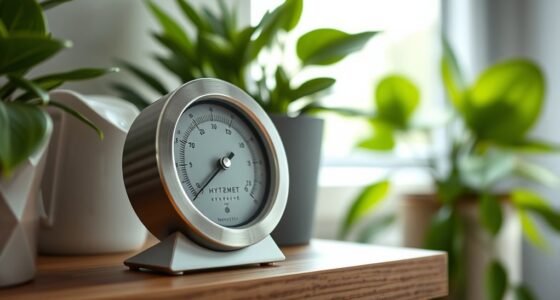
Maintaining the right humidity level is essential, but it’s rarely the same across your instruments, books, and bedroom. Each item has unique needs when it comes to humidity regulation, and understanding these differences helps you protect their material integrity. Instruments like violins, guitars, and pianos are highly sensitive to moisture levels. Too much humidity can cause wood to swell, warp, or develop mold, while too little can make the wood crack or become brittle. To keep them in optimal condition, you need a stable environment with controlled humidity, ideally around 40-50%. Using a hygrometer can help you monitor these levels accurately, ensuring your instruments stay in tune and free from damage.
Proper humidity control preserves your instruments’ wood and sound quality.
Books are equally delicate when it comes to humidity. Excess moisture can encourage mold growth and cause pages to stick together or warp, whereas low humidity can make pages brittle and prone to tearing. The goal is to maintain a moderate humidity—around 40-60%—to preserve paper quality and prevent deterioration. If your environment swings wildly, consider using a dehumidifier or humidifier, depending on your needs. Proper air circulation is also crucial, as stagnant air can promote mold and mildew. Good air quality practices, such as ensuring adequate ventilation, can further help in controlling humidity levels. Additionally, paying attention to material preservation principles can further extend the lifespan of your collection of books, keeping them as vibrant and intact as the day you got them. Recognizing the importance of humidity control in maintaining your belongings can prevent long-term damage and save you money on repairs or replacements.
In your bedroom, comfort and health are the priority. Too much humidity creates a damp, stuffy atmosphere that can foster dust mites, mold, and musty odors, making it harder to breathe and sleep well. On the other hand, too little moisture can cause dry skin, sore throats, and respiratory issues. The ideal humidity level for living spaces is usually between 30-50%. Humidity regulation here involves balancing the use of humidifiers or dehumidifiers, based on the season and your local climate. You might also want to invest in a good air purifier with humidity control features for an added layer of comfort. Keeping the room within this range not only improves your sleep quality but also helps preserve the materials in your furniture and decor, which can crack or warp in extreme conditions.
Additionally, understanding the ideal humidity range for different environments can help you optimize your space further and prevent long-term damage to your belongings. Ultimately, understanding the different humidity requirements for your instruments, books, and living space allows you to tailor your environment precisely. Proper humidity regulation becomes an essential part of material preservation, ensuring that your belongings remain in excellent condition over time. By paying close attention to these needs and adjusting your climate controls accordingly, you create a space that protects what matters most to you, from musical instruments to cherished books—and your own comfort.
digital hygrometer for humidity monitoring
As an affiliate, we earn on qualifying purchases.
As an affiliate, we earn on qualifying purchases.
Frequently Asked Questions
How Do Seasonal Changes Affect Humidity Preferences?
Seasonal fluctuations greatly influence your humidity preferences. As seasons change, your environment’s humidity adapts naturally, prompting you to adjust your settings to maintain comfort and protect belongings. You might increase humidity during winter to prevent dryness or reduce it in summer to avoid excess moisture. Your awareness of seasonal fluctuations helps you manage humidity levels effectively, ensuring ideal conditions for your instruments, books, and living space throughout the year.
Can Humidity Levels Impact Electronic Devices in Bedrooms?
Ever wondered if humidity levels impact your electronics in the bedroom? They definitely do. Too much moisture can cause corrosion or short circuits, risking your device’s lifespan. Too dry, and static electricity can build up, damaging sensitive components. Maintaining proper humidity is essential for electronics maintenance and bedroom comfort alike. Keep the environment balanced, and your devices stay safe while you sleep soundly. Don’t let humidity catch you off guard!
What Are the Best Tools to Measure Humidity Accurately?
You should choose reliable humidity sensors like digital hygrometers or thermohygrometers for accurate measurements. To guarantee precision, regularly use calibration techniques such as comparing your sensor’s readings with a known standard or using salt solutions to calibrate. This keeps your measurements consistent, helping you maintain ideal humidity levels for your devices, books, or bedrooms, and prevents damage caused by inaccurate readings.
How Does Humidity Influence Mold Growth in Different Rooms?
Think of humidity as the weather in a room; too high, and mold can settle like an unwelcome guest. In damp spaces like basements, excess humidity fuels mold growth, making mold prevention tough. In contrast, well-ventilated rooms with controlled humidity levels hinder mold spores from settling. By maintaining proper humidity control, you create an environment less inviting to mold, safeguarding your space and health.
Are There Universal Humidity Levels Suitable for All Environments?
You can’t find a single humidity level suitable for all environments because historical climate and specific needs vary. For example, museums often maintain 40-50%, while bedrooms prefer 30-50%, and archives need around 45-55%. Using humidity sensors helps you monitor these differences accurately. Adjustments guarantee ideal conditions, preventing mold or damage. Understanding your environment’s unique needs is key to maintaining perfect humidity levels for long-term preservation and comfort.
As an affiliate, we earn on qualifying purchases.
Conclusion
Think of your home as a delicate garden, where each plant — your instruments, books, and bedroom — needs just the right moisture to thrive. Too much or too little can wilt their spirits, much like a flower out of season. By tuning your environment like a gentle gardener, you create a sanctuary where each element blooms in harmony. Remember, a balanced humidity isn’t just a number — it’s the secret to nurturing your personal oasis.
dehumidifier for mold prevention
As an affiliate, we earn on qualifying purchases.
As an affiliate, we earn on qualifying purchases.
instrument humidity control case
As an affiliate, we earn on qualifying purchases.
As an affiliate, we earn on qualifying purchases.
NFL season / tailgating Picks
team gear
As an affiliate, we earn on qualifying purchases.