

Musty smells often come back because of hidden mold growth and excess humidity, not lingering fragrances. Mold spores thrive in damp spots behind walls, carpets, or inside HVAC systems, emitting odors that surface cleaning can’t reach. High humidity creates the perfect environment for mold to grow, making the smell persistent. To truly get rid of it, you need to control moisture and check for unseen mold. Keep going, and you’ll discover more ways to solve this issue effectively.
Listen free for 30 days with Audible
Thousands of audiobooks and originals — cancel anytime.
As an affiliate, we earn on qualifying purchases.
Key Takeaways
- Hidden mold growth behind walls, carpets, or inside HVAC systems can cause persistent musty odors.
- High indoor humidity levels promote mold development, leading to recurring musty smells.
- Surface cleaning alone doesn’t remove mold spores in concealed areas, allowing odors to return.
- Inadequate ventilation traps moisture, creating ideal conditions for mold and odor resurgence.
- Without professional inspection and targeted remediation, musty smells often persist despite cleaning efforts.

Have you ever noticed a musty smell returning even after cleaning? It’s frustrating, isn’t it? You scrub, wipe, and ventilate, but that stale odor persists. The reason often isn’t because you’re using the wrong fragrance or cleaning product. Instead, the root cause can be hidden deep within your space, rooted in issues like mold growth and poor humidity control. These factors are silent offenders that keep that musty smell lingering long after your efforts.
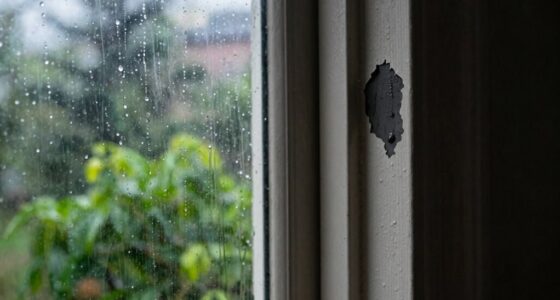
Mold growth is a major culprit behind persistent musty odors. Mold spores thrive in damp environments, and once they settle, they can grow behind walls, under floors, or in hidden corners where you can’t see them. Even if surfaces appear clean, mold can be present behind wallpaper, beneath carpets, or inside HVAC systems. The musty smell you notice is actually a sign that mold spores are releasing volatile organic compounds (VOCs), which create that telltale odor. Cleaning with regular products might remove surface dirt, but it won’t eliminate mold hidden in crevices. To effectively combat this, you need to identify and remove mold sources, which often requires professional inspection and targeted mold remediation. Mold detection can help identify hidden mold sources before they cause further issues.
Hidden mold behind walls and carpets causes persistent musty odors despite surface cleaning.
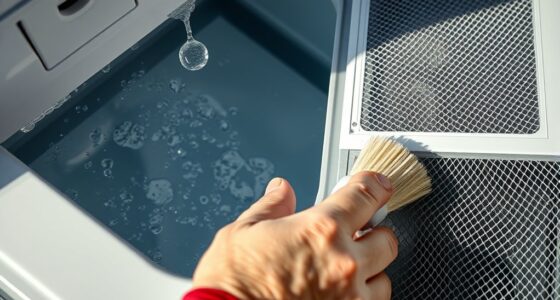
Another key reason your musty smell keeps coming back is poor humidity control. High humidity levels create an ideal environment for mold growth and mildew. When the air is consistently moist, it allows mold spores to settle and grow unchecked. You might notice the smell more during humid seasons or in spaces without proper ventilation. Using a dehumidifier helps regulate indoor humidity, keeping it ideally between 30-50%. Proper ventilation, like exhaust fans in bathrooms and kitchens, also reduces excess moisture. Without regulating humidity, even the cleanest spaces can develop that damp, stale smell over time. Additionally, humidity control is crucial in preventing mold growth and ensuring a fresh environment. Proper air circulation also helps to remove excess moisture and improve air circulation, which can reduce the likelihood of mold development. It’s not just about cleaning; it’s about creating an environment that discourages mold and moisture buildup. Incorporating moisture-absorbing products such as silica gel packs or activated charcoal can provide additional defense against dampness.
To truly get rid of that persistent musty smell, you need to address these underlying causes. Regular cleaning isn’t enough if mold is hiding out of sight or if humidity levels stay high. Investing in a good dehumidifier and ensuring your space is well-ventilated are essential steps. If you suspect mold growth, don’t hesitate to call in professionals to inspect and treat the problem thoroughly. Remember, preventing mold and controlling humidity isn’t just about eliminating odors—it’s about safeguarding your health and maintaining a clean, fresh space. Once you tackle these issues head-on, you’ll find that those stubborn musty smells won’t return, and your home will stay fresher for longer.
As an affiliate, we earn on qualifying purchases.
Frequently Asked Questions
Can Musty Odors Be Caused by Mold or Mildew?
Yes, musty odors can definitely be caused by mold or mildew. Mold growth releases spores and musty smells that cling to surfaces, and these odors can get absorbed into fabrics, furniture, and walls. If you notice persistent musty smells, it’s likely due to mold or mildew hiding somewhere, especially in damp areas. Addressing moisture problems and cleaning affected areas thoroughly can help eliminate these odors effectively.
Are Musty Smells Harmful to Health?
Musty smells can pose health hazards, especially if they linger and worsen air quality. Breathing in mold spores or mildew particles from the odor can cause respiratory issues, allergies, or asthma symptoms. To keep your environment safe, focus on odor removal and improve air quality by ventilating spaces and cleaning thoroughly. Don’t ignore musty odors—they could be signs of hidden mold that impacts your health, so act promptly.
How Can I Prevent Musty Smells From Returning?
To prevent musty smells from returning, guarantee good air circulation in your space by opening windows and using fans. Incorporate dehumidification techniques, like using a dehumidifier or moisture absorbers, to keep humidity levels low. Regularly clean and dry areas prone to dampness, such as basements and closets. By maintaining proper airflow and controlling humidity, you can effectively reduce the chances of musty odors coming back.
Do Musty Odors Indicate Structural Damage?
Musty odors can be a red flag for underlying issues with your home’s structural integrity. When moisture intrusion persists, it weakens building materials and invites mold, which causes those stubborn smells. If you notice these odors, don’t ignore them—consider inspecting for leaks or damage. Addressing moisture intrusion early helps protect your home’s foundation and prevents minor issues from turning into major structural problems.
Can Musty Smells Come From Hidden Sources?
Yes, musty smells can come from hidden sources and unexpected places. You might not see mold behind walls, under floors, or inside HVAC systems, which release that odor into your space. Hidden causes like damp clothing, forgotten food, or hidden leaks can also lead to musty smells. Regular inspections and thorough cleaning help identify these unseen culprits, preventing the smell from lingering or worsening unnoticed.
As an affiliate, we earn on qualifying purchases.
Conclusion
So, next time you notice that stubborn musty smell lingering, ask yourself—are you overlooking hidden moisture or mold? Sometimes, these odors aren’t about perfume or scent but about unseen issues lurking in your home. Addressing the real cause can save you from repeated frustration and potential health risks. Don’t let a simple smell fool you—dig deeper and tackle the root problem before it becomes a bigger headache. Are you ready to uncover what’s truly causing that musty smell?
As an affiliate, we earn on qualifying purchases.
moisture absorber for indoor air
As an affiliate, we earn on qualifying purchases.
As an affiliate, we earn on qualifying purchases.
Flea & tick season Picks
flea and tick prevention
As an affiliate, we earn on qualifying purchases.



![Pedestrian Walkways No Place For Chairs And Tables [WATCH] - NST Online](https://pureairadviser.com/wp-content/uploads/2026/09/pedestrian-walkways-no-place-for-chairs-and-tables-watch-nst-online-featured-260x140.jpg)

