
TL;DR

Get home appliances delivered free with Prime
- Fast, free delivery on millions of items
- Prime Video, Amazon Music and more included
- Member-only deals all year
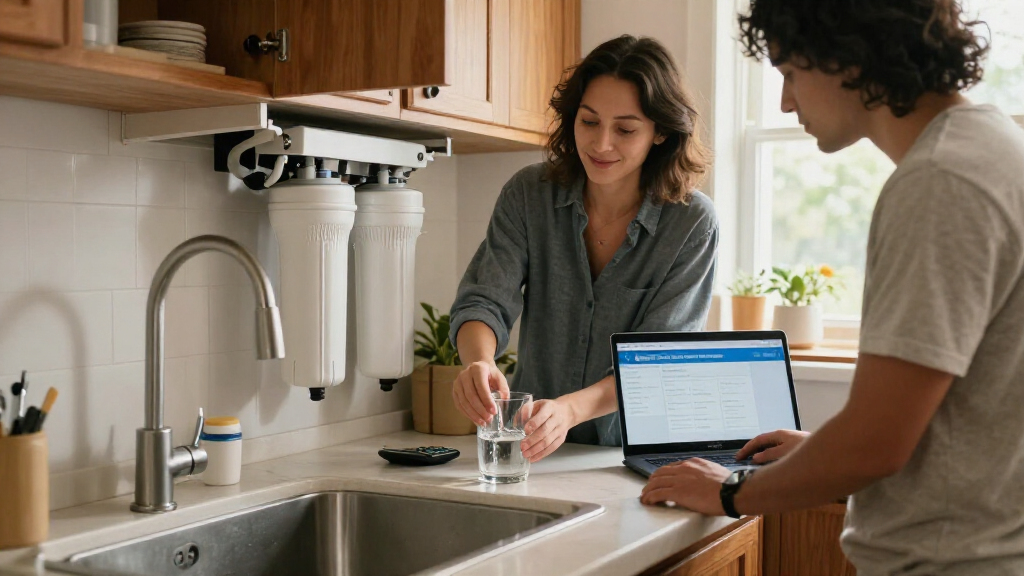
A Family Handyman report breaks down the costs of under-sink reverse osmosis systems, which range from a few hundred dollars to more than $1,000 before possible professional installation. Filters, membrane replacements and water waste add to the bill, so value depends on a household’s water concerns, usage and willingness to maintain the system.
Under-sink reverse osmosis (RO) systems can cost from a few hundred dollars to more than $1,000, with added expenses for installation, replacement filters and water use, according to a Family Handyman cost report. The analysis says whether the technology is worth paying for depends in part on a household’s water concerns, daily use and willingness to maintain the equipment.
The report says professional installation generally costs more than $300, before possible charges for plumbing changes, an electrical outlet, leak protection or a connection to a refrigerator ice maker. Homeowners with basic plumbing skills may be able to install a system themselves, though the report notes that some installations require drilling a countertop hole.
Routine maintenance also adds recurring costs. The report estimates replacement filters at $30 to $100 every six to 12 months, an RO membrane at $25 to $60 every couple of years, and tank sanitizer at about $20 annually. Checking tubing and fittings for leaks can be done without a parts cost, but the system still needs regular attention.
Water use varies by model: for each gallon of filtered water produced, the report says half a gallon to four gallons may go down the drain. Its estimate for a household using five gallons of RO water daily is about 500 to 8,500 gallons of wasted water per year. The report says the resulting water-bill impact could range from a few cents to nearly $100 a year, depending on system efficiency and local rates. Electricity use, for systems that need it, is estimated to add only a few dollars annually.
How Water Use Changes the Bill
The purchase price is only part of the decision. A household comparing RO with bottled or jugged water needs to account for installation, replacement parts and water consumption, as well as the convenience of having filtered water at the sink. Those expenses vary by model and local utility prices, so the report’s ranges are not a single expected total for every home.
Water waste is a distinct trade-off: systems can send several gallons down the drain for every gallon filtered. The report recommends looking for an EPA WaterSense-certified model to reduce that waste. For households focused on particular contaminants, the choice also depends on what is actually present in their water and whether an RO system is appropriate for those concerns.
The report describes a quality system as capable of lasting 10 years or longer with proper maintenance. That potential lifespan can spread the initial purchase cost over time, but does not eliminate recurring filter and membrane expenses or the possibility that aging parts will need replacement.
Products Worth Considering

Dreame L50 Ultra Robot Vacuum and Mop

Blueair Blue Pure 511i Max Air Purifier for Home and Bedroom

Bose TV Speaker (2nd Gen) Compact Soundbar with Bluetooth and HDMI-ARC, Black
As an affiliate, we earn on qualifying purchases.
What the Cost Report Covers
The Family Handyman article is an analysis of a home upgrade, not a report of a new regulation, product launch or change to water standards. It combines price estimates with comments from water-filtration and plumbing specialists and experiences from people who use RO systems. The supplied material does not provide a publication date, a full list of products tested or a standardized comparison across brands.
The article describes under-sink systems as filtering water through multiple stages, including an RO membrane, before dispensing it from a separate faucet. Its author says they switched from buying large jugs of water after living in places with water concerns. That is an individual account, not evidence that every home needs RO treatment.
The report also flags differences between models. Some include pumps, displays or features that take up less cabinet space; the author says a recently installed premium model cost $1,400 off sale. Another user cited in the article valued a tankless model but reported pump noise. These examples illustrate possible price and usability differences, not a representative price average or guarantee of performance.
““Many parts, including filters, membranes, faucets and tanks can be replaced individually.””
— Danielle Smith, a plumbing expert quoted in the report
Costs Depend on the Home
The figures are reported ranges, not a quote for a specific household. The article does not give a location-based estimate for water or electricity bills, a full lifecycle cost for each system, or a like-for-like comparison with alternatives. Actual expenses will depend on the selected model, installation needs, water consumption and replacement schedule.
The report also does not establish which treatment a particular household needs. Claims about contaminant removal should be checked against a system’s documentation and applicable certifications, and against information about the home’s water supply. The supplied article excerpt begins listing alternatives but does not include their costs or full details. It is not clear from the provided material how those options compare with RO across different water conditions.
Check Water and Model Details
For readers considering a system, the next step is to compare the specific model’s purchase price, certified performance, replacement-part costs and stated water-use rate. Households should also price installation if they are not comfortable doing the work themselves, and confirm whether their setup needs electrical work or added plumbing. The report provides no announced product release or policy milestone; its practical next step is household-specific cost and water assessment.
After installation, owners can track filter replacement dates, inspect fittings for leaks and compare actual water use with the manufacturer’s guidance. That information can help determine whether the system’s ongoing cost and convenience match the household’s needs.
Key Questions
How much does an under-sink reverse osmosis system cost?
The Family Handyman report gives a purchase-price range of a few hundred dollars to more than $1,000. Professional installation typically adds more than $300, before any extra plumbing or electrical work.
What are the regular maintenance costs?
The report estimates filters at $30 to $100 every six to 12 months, an RO membrane at $25 to $60 every couple of years, and about $20 a year for tank sanitizer. Costs and replacement timing depend on the system.
How much water can an RO system waste?
According to the report, systems may send half a gallon to four gallons down the drain per gallon filtered. It estimates 500 to 8,500 gallons of wasted water annually for a household using five gallons of RO water each day.
Is a reverse osmosis system worth it for every home?
The report does not say that every household needs one. Value depends on the home’s water concerns, the system’s costs and efficiency, and the household’s use. The supplied material does not provide enough detail to recommend a treatment for a specific water supply.
Source: familyhandyman.com