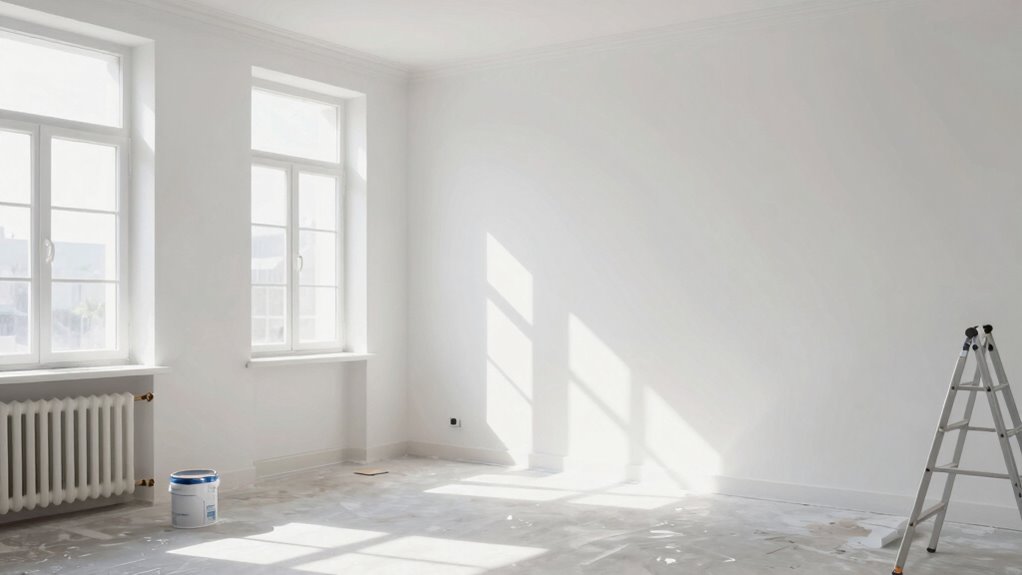

After painting, your indoor air quality drops quickly as VOCs and fumes release into the air, usually peaking in the first 24-48 hours. Many underestimate how long these fumes linger, often lasting several days or even up to two weeks, especially without proper ventilation. To really help air out your space, you need continuous ventilation, air purifiers, and patience. If you keep going, you’ll discover exactly how to speed up the recovery process.

Get home appliances delivered free with Prime
- Fast, free delivery on millions of items
- Prime Video, Amazon Music and more included
- Member-only deals all year
Key Takeaways
- Indoor air quality drops significantly immediately after painting, with fumes lingering for days if not properly ventilated.
- The worst air quality typically lasts for the first 24-48 hours, requiring continuous ventilation.
- Complete recovery often takes 3 to 5 days, but some VOCs may persist for two weeks or more.
- Poor ventilation and high-VOC paints extend the duration of fumes and odors.
- Using air purifiers and maintaining good airflow can speed up the air quality recovery process.
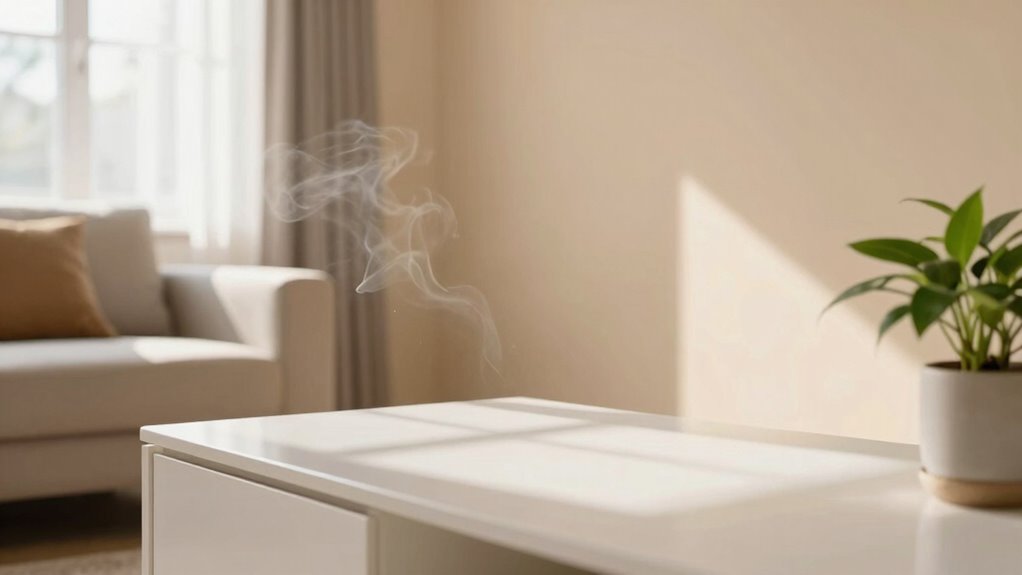
After painting, indoor air quality can temporarily decline due to the release of volatile organic compounds (VOCs) and other fumes. You might notice a strong smell or find that the air feels heavy or stuffy. During this period, paint fumes release tiny particles and chemicals into the air, which can linger for hours or even days, depending on the ventilation and the type of paint used. It’s easy to underestimate how long it takes for these fumes to dissipate, but understanding the recovery timeline helps you protect your health and ensure your indoor environment becomes safe again.
Paint fumes can linger for days; proper ventilation is key to a safe, healthy indoor environment.
In the first 24 to 48 hours after painting, the air quality is at its lowest. During this time, paint fumes are most concentrated, and the smell is usually strongest. If you’re indoors without proper ventilation, these fumes can cause headaches, dizziness, or respiratory irritation. That’s why opening windows, using fans, and running air purifiers during this initial period is crucial. Even with ventilation, some VOCs can cling to surfaces or remain airborne longer than expected. You might think that airing out the room is enough, but it often takes several days before the air quality improves significantly.
As days pass, the concentration of paint fumes gradually decreases. Typically, within three to five days, the air begins to feel fresher, especially if you continue to ventilate the space well. However, some VOCs are slow to off-gas, and lingering fumes can persist for up to two weeks or more, particularly in poorly ventilated areas or with certain types of paint, like oil-based or high-VOC formulations. During this recovery period, you might still notice a faint smell or slight irritation, but these symptoms tend to diminish over time. Additionally, using air purification methods such as activated carbon filters can help accelerate the removal of residual fumes. Proper ventilation is also essential, as it significantly influences how quickly the air clears. Understanding air quality is essential for recognizing when the environment is safe again.
To speed up the process, you should keep the space ventilated as much as possible, use air purifiers with activated carbon filters, and avoid closing windows on particularly windy days that can bring in fresh air. It’s also advisable to wait before reoccupying the space for extended periods, especially if you’re sensitive to chemical smells or have respiratory issues. Remember, the key to restoring good indoor air quality after painting isn’t just about the immediate airing out but about ongoing ventilation and patience. While it’s tempting to return to normal quickly, giving your indoor air time to recover ensures your environment is safe, healthy, and free from the residual effects of paint fumes.
As an affiliate, we earn on qualifying purchases.
Frequently Asked Questions
How Long Do VOCS Stay in Indoor Air After Painting?
VOC emissions from painting can linger in your indoor air for up to 2-3 weeks, depending on ventilation and paint type. You should run air purification systems during this period to help reduce VOC levels. Keep windows open and use fans to improve air exchange, which accelerates VOC dissipation. Don’t rush to reopen your space; proper air purification guarantees healthier indoor air and minimizes potential health risks.
Can Indoor Plants Help Improve Air Quality Post-Painting?
Think of indoor plants as tiny air purifiers battling lingering VOCs, but don’t rely on them alone. Certain plant varieties, like spider plants and snake plants, excel at air purification, helping improve indoor air quality after painting. While they add a touch of greenery, you should combine their presence with proper ventilation for better results. Use plants as a complementary step to reduce VOCs and refresh your indoor environment effectively.
Are There Specific Paint Types Safer for Indoor Air Quality?
You should opt for natural alternatives or low VOC paints, as they release fewer harmful chemicals and improve indoor air quality. These paints are safer choices because they contain minimal volatile organic compounds, reducing your exposure to potentially toxic fumes. By choosing low VOC or natural paints, you can enjoy a healthier indoor environment, especially during the essential recovery period after painting, and minimize lingering odors and health risks.
What Are Symptoms of Poor Indoor Air Quality After Painting?
Pinpointing paint fumes’ problems, you might notice symptoms like headaches, dizziness, or irritated eyes. Persistent coughing, sneezing, and a stuffy nose can also signal poor indoor air quality after painting. If you experience these symptoms, prioritize air purification—ventilate well and use air filters. Staying alert to these signs helps you protect your health while improving indoor air quality, ensuring your space feels fresh and safe again.
Does Opening Windows Always Improve Indoor Air Safety?
Opening windows doesn’t always guarantee improved indoor air safety because ventilation effectiveness varies based on factors like outdoor air quality and airflow direction. While it helps dilute airborne pollutants, consider using air purification devices for better results, especially in enclosed spaces. Combining natural ventilation with mechanical air purification guarantees a safer environment, reducing lingering fumes and improving indoor air quality after painting.
high airflow fans for ventilation
As an affiliate, we earn on qualifying purchases.
As an affiliate, we earn on qualifying purchases.
Conclusion
So, next time you rush to enjoy your freshly painted room, remember the irony: you’re breathing in fumes you’d gladly avoid if you knew how long the air really takes to clear. It’s easy to underestimate the recovery timeline, but ignoring it could turn your cozy space into a sneaky toxin trap. Patience might be the last thing you want right now, but your lungs will thank you for waiting just a little longer before celebrating that perfect new look.
As an affiliate, we earn on qualifying purchases.
As an affiliate, we earn on qualifying purchases.
Columbus Day / Indigenous Peoples' Day Picks
long weekend sales
As an affiliate, we earn on qualifying purchases.