Bringing outdoor clothing inside can quickly introduce pollen into your home, making your indoor air quality worse faster than opening windows. Pollen particles cling to clothes, shoes, and accessories, settling on furniture, carpets, and bedding. This buildup can trigger allergy symptoms and worsen indoor pollution. Instead of opening windows, use air purifiers with HEPA filters and follow proper clothing hygiene practices. If you want to learn how to keep allergens out more effectively, continue exploring these tips.

Get home appliances delivered free with Prime
- Fast, free delivery on millions of items
- Prime Video, Amazon Music and more included
- Member-only deals all year
Key Takeaways
- Pollen on clothing continuously introduces allergens indoors, making air quality worse regardless of open windows.
- Opening windows can bring in more outdoor pollen, compounding indoor contamination from clothing.
- Clothing hygiene practices prevent pollen buildup more effectively than relying solely on ventilation.
- Indoor air purifiers with HEPA filters trap pollen particles that clothing may carry inside.
- Regular cleaning and clothing management are essential to maintain indoor air quality during pollen season.
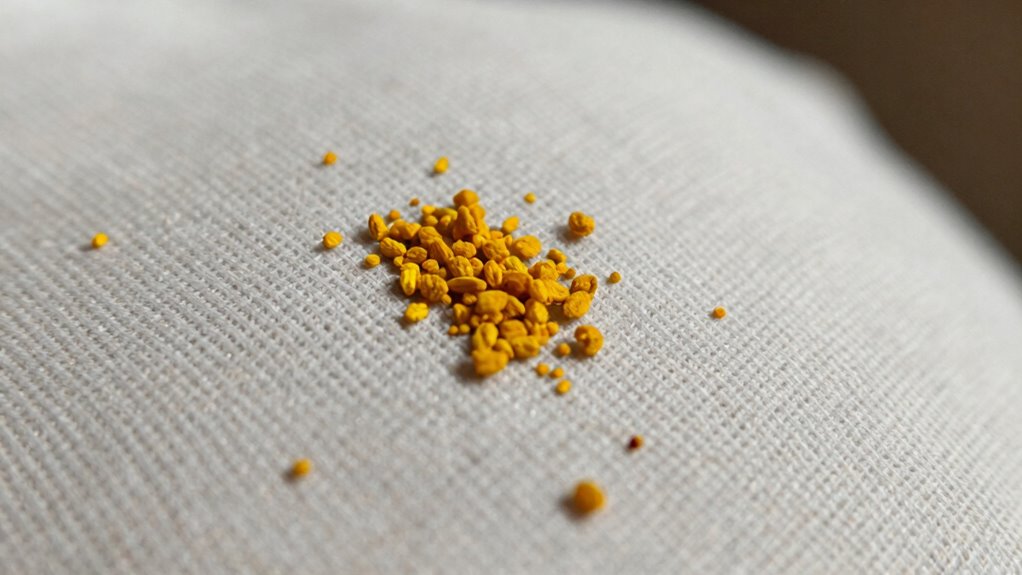
Have pollen on your clothing ever caught your eye during springtime walks? It’s a common sight, but what you might not realize is how quickly that pollen can influence your indoor environment. Outdoor allergens like pollen cling to your clothing, shoes, and accessories as you stroll through blooming landscapes. When you come inside and ignore clothing hygiene, you inadvertently bring these tiny particles indoors. While opening windows seems like a good way to air out your home, it can actually make your indoor air quality worse if it introduces more outdoor allergens into your space.
Pollen on your clothes can worsen indoor air quality and trigger allergy symptoms.
Pollen on clothing can settle on furniture, carpets, and even bedding, creating a persistent source of outdoor allergens inside your home. These particles can linger long after your walk, especially if you don’t take steps to remove them properly. If you’re sensitive to outdoor allergens, this can trigger allergy symptoms like sneezing, congestion, and itchy eyes, making it harder to breathe comfortably. Even if you’re not allergic, the buildup of pollen can degrade your indoor air quality over time, leading to an environment that feels stuffy or polluted. Proper clothing hygiene practices are essential to prevent this buildup and protect your indoor air quality.
To combat this, practicing good clothing hygiene is essential. Before stepping into your living space, it’s smart to change out of your outdoor clothes and shoes. Consider having a designated area near the entrance where you can remove and leave behind contaminated clothing. Washing your outdoor apparel frequently, especially during peak pollen seasons, helps eliminate trapped allergens. Using a high-efficiency particulate air (HEPA) filter in your washing machine can trap tiny pollen particles, ensuring your clothes are thoroughly cleaned. Additionally, air quality management techniques such as using air purifiers can significantly reduce indoor pollen levels. Incorporating pollen reduction methods can further help to keep your indoor environment healthier during allergy seasons.
It’s tempting to think that opening windows will refresh your indoor air, but in pollen season, it can do more harm than good. If you want better airflow, opt for using air purifiers with HEPA filters inside. These devices actively trap outdoor allergens that manage to sneak inside, reducing their concentration in your indoor air. Regular cleaning of surfaces and vacuuming with a HEPA-filter vacuum cleaner also prevents pollen buildup, maintaining a cleaner, healthier environment.
HEPA air purifier for indoor use
As an affiliate, we earn on qualifying purchases.
As an affiliate, we earn on qualifying purchases.
Frequently Asked Questions
How Long Does Pollen Stay on Clothing?
Pollen can stay on your clothing for several hours to days, depending on pollen particle size and clothing fiber types. Smaller pollen particles cling more tightly to natural fibers like cotton and wool, keeping them on your clothes longer. Synthetic fibers may release pollen faster. To reduce pollen transfer, wash your clothes promptly after outdoor exposure, especially during high pollen seasons, and consider wearing a pollen mask for added protection.
Can Pollen on Clothing Cause Allergies Indoors?
Yes, pollen on your clothing can cause indoor allergy triggers. When you bring pollen inside, it circulates with your indoor air, potentially aggravating allergy symptoms. To minimize this, you should change clothes after outdoor exposure and wash them regularly. This way, you reduce pollen buildup, improve indoor air quality, and lessen allergy triggers, making your environment more comfortable and healthier for you.
What Types of Clothing Attract the Most Pollen?
When it comes to pollen accumulation, you’re playing with fire if you wear clothes made from fabric fibers like wool, fleece, or velvet. These materials tend to trap more pollen, attracting it like a magnet. Lightweight, smooth fabrics such as nylon or silk accumulate less pollen, making them better choices during high pollen seasons. Choosing the right clothing can help you stay one step ahead and reduce indoor pollen exposure.
Is Pollen Transfer More Common During Certain Seasons?
Yes, pollen transfer is more common during certain seasons, especially spring and early summer, due to seasonal pollen patterns. Climate influence also plays a role; warmer, windier days increase pollen spread and transfer onto clothing. During peak pollen seasons, you’re more likely to carry pollen indoors on your clothes, which can quickly affect your indoor air quality. Protect yourself by changing clothes and cleaning regularly during these high pollen periods.
Does Washing Clothes Remove All Pollen Traces Completely?
You might think laundry wipes out all pollen, but that’s not always true. Washing clothes with effective laundry detergents helps remove most pollen traces, especially from natural fabrics like cotton or wool. However, some synthetic fabrics may trap pollen more stubbornly. To maximize pollen removal, use hot water when safe, and consider rinsing thoroughly. While washing reduces pollen, it may not eliminate every trace completely.
As an affiliate, we earn on qualifying purchases.
Conclusion
Think of pollen on your clothes as tiny messengers carrying spring’s chaos indoors. When you ignore them, it’s like inviting a storm into your peaceful haven, disrupting the calm air you’ve worked so hard to create. By carefully removing pollen before entering, you’re sealing the door against this unwelcome guest, preserving your indoor sanctuary. Keep the storm outside and let your home breathe pure, fresh air—your personal oasis amid the unpredictable seasons.
As an affiliate, we earn on qualifying purchases.
As an affiliate, we earn on qualifying purchases.
Halloween Picks
halloween
As an affiliate, we earn on qualifying purchases.