
Radiator heat makes some rooms feel dryer than others because the efficiency of the radiators and how well humidity is managed differ. Well-maintained radiators heat effectively and tend to dry out the air faster, especially if no moisture is added back in. Poorly maintained or uneven radiators may not dry the air as much. Other factors like air circulation, use of humidifiers, or indoor plants also influence humidity levels. Keep exploring to discover how you can better control your room’s comfort.
Key Takeaways
- Radiator efficiency and maintenance affect how much moisture is drawn from the air, influencing room dryness.
- Rooms with poor air circulation or stagnant air tend to feel drier due to uneven humidity distribution.
- Lack of humidity sources like water bowls or plants increases dryness in rooms with radiator heat.
- Variations in radiator placement and size can cause differing levels of moisture removal across rooms.
- Inconsistent humidity control measures lead to some rooms feeling drier despite similar heating sources.

Have you ever noticed how radiator heat can make a room feel dry and uncomfortable? It’s a common experience, especially during the colder months when radiators dominate the heating system. The reason behind this dry feeling often comes down to radiator effectiveness and how well the room’s humidity is controlled. Radiators are excellent at delivering heat quickly, but they tend to do so by drawing moisture out of the air, which can leave your space feeling stuffy or even parched.
Radiator heat can dry out the air, making rooms feel chilly and uncomfortable.
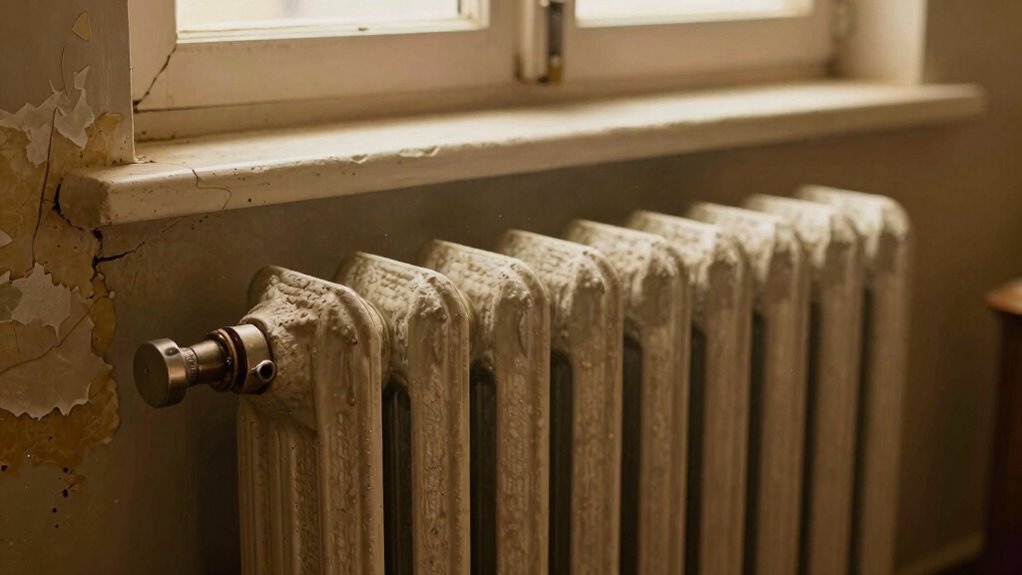
A key factor in why some rooms feel drier than others is how efficiently the radiator is functioning. Radiator effectiveness depends on its size, placement, and how well it’s maintained. If the radiator is operating at peak performance, it can quickly heat the air, but it also accelerates the loss of humidity. On the other hand, a less efficient radiator may not heat the room evenly, leading to cooler spots where the air remains more humid. In either case, the net effect is a decrease in humidity levels, making the room feel colder and less comfortable even if the temperature reads warm. Proper radiator maintenance can help ensure optimal performance and reduce unnecessary humidity loss.
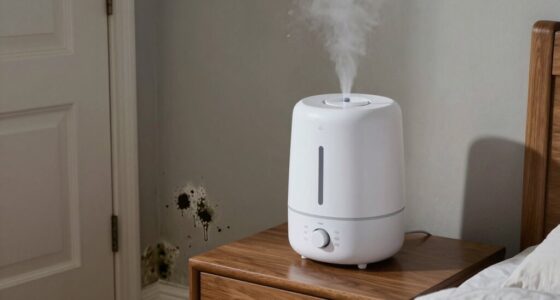
Humidity control plays a vital role in maintaining a comfortable environment. When radiators heat the air, they tend to dry it out, especially if there’s little to no moisture introduced back into the space. Without proper humidity, your skin can feel dry, your throat may become irritated, and static electricity can become more prevalent. To balance this, you might consider adding a humidifier or placing bowls of water near the radiator to help restore some moisture. These simple steps can make a noticeable difference in how the room feels, reducing the dry, uncomfortable sensation and making the heat more tolerable. Proper humidity management is essential to prevent the environment from becoming overly dry. Additionally, air circulation can help distribute humidity more evenly throughout the space. Ensuring good air circulation is crucial, as stagnant air can worsen the feeling of dryness and uneven humidity levels.
Understanding the relationship between radiator effectiveness and humidity control helps you take practical steps to improve your living space. Regularly bleeding your radiators to remove trapped air ensures they operate efficiently, which in turn helps control the drying effect. Additionally, using moisture-enhancing devices or increasing indoor plants can help maintain ideal humidity levels. Proper radiator maintenance and humidity balancing are essential for creating a cozy, inviting environment. When your room’s humidity stays within a comfortable range, the heat from your radiator feels warmer and more pleasant, rather than harsh and dry.
Ultimately, recognizing how radiator heat influences humidity can help you create a cozy, balanced environment. By focusing on radiator effectiveness and actively managing humidity levels, you’ll notice your space feels more inviting and less dry, making those chilly days a lot more comfortable.
As an affiliate, we earn on qualifying purchases.
Frequently Asked Questions
Can the Type of Radiator Affect Room Dryness?
Yes, the type of radiator can influence room dryness. For example, convector radiators tend to produce more airflow, which can dry out the air faster, especially if placed near windows or vents. Proper radiator placement and managing room airflow help balance heat distribution and humidity levels, making some rooms feel less dry. Choosing the right radiator type and positioning it wisely can improve comfort and reduce the dryness sensation.
Does Room Size Influence Perceived Dryness With Radiator Heat?
Think of your room like a vintage radio, where the size impacts how sound travels. Larger rooms often feel drier because air circulation and heat distribution aren’t as efficient, leading to uneven humidity levels. Smaller spaces warm up quickly, maintaining better moisture. With radiant heat, room size influences perceived dryness, as bigger rooms require more effective air circulation to evenly distribute heat and moisture, preventing that uncomfortable, dry feeling.
How Does Insulation Impact Humidity Levels Near Radiators?
Insulation impacts indoor moisture levels near radiators by trapping heat and reducing drafts, which can help retain humidity. Good insulation effects mean less indoor moisture escapes, creating a more stable, comfortable environment. Without proper insulation, warm air from radiators escapes quickly, lowering humidity and making rooms feel drier. You’ll notice that well-insulated rooms maintain indoor moisture better, helping prevent dryness and improving overall comfort when using radiator heat.
Can Adding Humidifiers Counteract Radiator Dryness?
A humidifier can be your secret weapon against radiator dryness, but its effectiveness depends on proper moisture distribution. Think of it as a gentle rain that evenly wets the ground; without even spread, some areas stay parched. Adding a humidifier helps increase indoor humidity, making rooms feel more comfortable. Just make certain you select the right size and maintain it well, so moisture reaches every corner and balances the air effectively.
Do Different Radiator Materials Produce Varying Humidity Effects?
Yes, radiator material affects humidity absorption and can produce varying humidity effects. Cast iron radiators tend to retain heat longer and absorb moisture better, helping maintain humidity levels. Aluminum radiators heat up quickly but don’t absorb humidity as well, possibly making the room feel drier. You should consider radiator material when aiming for a more comfortable, balanced humidity environment, especially if dryness is an ongoing issue in certain rooms.
water bowls for humidity increase
As an affiliate, we earn on qualifying purchases.
As an affiliate, we earn on qualifying purchases.
Conclusion
As you walk through the house, you notice how some rooms feel like sunlit deserts—dry and parched—while others remain revitalizing temperate. Radiator heat gently pulls moisture from the air, turning cozy spaces into arid alcoves. By understanding this dance between warmth and humidity, you can better craft your sanctuary. A simple humidifier or strategic placement of plants can turn a dry, radiator-warmed room into a lush oasis—your personal retreat from the dry, heated air.
As an affiliate, we earn on qualifying purchases.
As an affiliate, we earn on qualifying purchases.