Wildfire season means your home needs to adapt to protect your health and safety. You should improve indoor air quality by sealing gaps, upgrading ventilation with filters, and using HEPA systems. Staying informed, creating emergency plans, and keeping safety supplies handy are essential. Preparing your home for smoke and ash will reduce health risks during intense wildfires. Keep going to discover how to make these strategies work best for your household.
Key Takeaways
- Enhance home sealing and install HEPA filters to prevent wildfire smoke infiltration.
- Adjust ventilation practices by shutting down systems during high smoke periods.
- Develop emergency plans including smoke-rated masks and safe evacuation routes.
- Regularly evaluate and upgrade HVAC systems for better air filtration and resilience.
- Maintain ongoing awareness and preparedness routines to adapt to extended wildfire seasons.

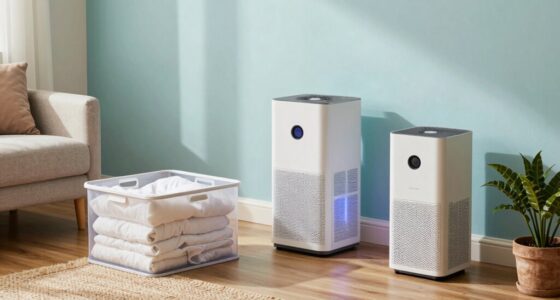
As wildfire seasons grow longer and more intense, it is essential to rethink how we design and maintain healthy homes. Wildfires don’t just threaten the outdoors—they substantially impact indoor environments, especially air quality. Smoke and ash can seep into your home through windows, vents, and open spaces, reducing indoor air quality and creating health risks for everyone inside. To protect yourself, you need to be proactive about improving your home’s air filtration systems and sealing gaps that allow smoke to enter. Installing high-efficiency particulate air (HEPA) filters and ensuring your HVAC systems are well-maintained can make a big difference in reducing indoor pollution. Additionally, having a plan for emergency preparedness becomes more vital than ever. Wildfires can escalate rapidly, and being unprepared can put you in danger. That means having an emergency kit ready, including masks rated for smoke inhalation, bottled water, and essential supplies, so you’re ready to act at a moment’s notice. You should also stay informed about local fire alerts and evacuation routes, integrating these into your regular safety routines.
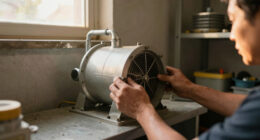
Your home’s ventilation system needs to be evaluated regularly, especially as wildfire seasons extend. Proper ventilation can help clear out indoor pollutants, but if your system pulls in outside air, it might also bring in smoke. Consider installing an air exchange system that filters incoming air or creates a sealed environment when smoke levels are high. This way, you maintain better air quality inside, even during peak wildfire activity. Emergency preparedness isn’t just about having supplies; it’s about creating a resilient home environment that can withstand the effects of wildfire smoke and power outages. You should have a clear plan for shutting down ventilation systems when necessary, and ensure everyone in your household knows what to do. Practicing these steps regularly builds confidence and guarantees swift action when wildfires threaten to compromise your home’s safety. Additionally, understanding the importance of indoor air quality can guide you in selecting the right filtration and ventilation strategies to protect your health.
Ultimately, adapting your home to meet these challenges isn’t a one-time effort. It requires ongoing attention to air quality and preparedness strategies. With the right upgrades and plans in place, you can considerably reduce health risks and be ready to respond swiftly when wildfire danger strikes. Your proactive approach not only safeguards your health but also enhances your resilience against the growing threat of wildfires, ensuring your home remains a safe haven despite the changing climate.

GermGuardian Air Purifier for Home with HEPA Pure Filter, for Wildfire Smoke, Pet Dander, Pollen, Odors, Large Rooms – 743 Sq. Ft., Removes 99.97% Pollutants, UV-C Light, 22", AC4825W, White
TRUE HEPA 3-LAYER PROTECTION: HEPA filter captures 99.97% of smoke, dust, pollen, and pet dander as small as…
As an affiliate, we earn on qualifying purchases.
As an affiliate, we earn on qualifying purchases.
Frequently Asked Questions
How Can Homeowners Prepare Their Homes for Wildfire Season?
To prepare your home for wildfire season, you should adopt effective landscaping strategies that reduce fire risk, like creating defensible space around your property. Regularly clear dead leaves and brush, and trim trees away from your home. Water management is also essential; keep gutters clean and make sure your lawn is well-irrigated to prevent dry, combustible vegetation. These steps help protect your home and improve fire resilience.
What Materials Are Best for Wildfire-Resistant Home Construction?
You should use ignition resistant materials and flame retardant building supplies for wildfire-resistant home construction. Materials like fiber cement siding, metal roofing, and tempered glass windows resist ignition and prevent flames from spreading. Incorporate non-combustible decks and fire-resistant vents to enhance protection. By choosing these materials, you reduce your home’s vulnerability during wildfire season and create a safer, more resilient living environment.
How Do Wildfire Smoke and Air Quality Affect Indoor Health?
Did you know that wildfire smoke can reduce indoor air quality by up to 80%? You should prioritize indoor air filtration systems, especially during fire season, to protect your respiratory health. Smoke particles easily seep inside, causing irritation, allergies, or worse. Using high-quality filters, sealing gaps, and ventilating wisely can considerably improve indoor air quality, ensuring you breathe cleaner air and stay healthier during wildfire events.
What Emergency Plans Should Families Have During Wildfire Outbreaks?
During wildfire outbreaks, you should develop clear evacuation procedures, including designated routes and a safe meeting spot. Keep emergency communication devices charged and easily accessible to stay updated on fire status and alerts. Prepare an emergency kit with essentials like masks, water, and medications. Practice your evacuation plan regularly with your family, ensuring everyone knows what to do quickly and safely, minimizing chaos and exposure during crises.
Are There Government Programs to Support Wildfire-Resistant Home Upgrades?
Yes, government programs provide support for wildfire-resistant upgrades. You can access incentives like subsidies and grants to make your home more resilient. These programs often include insurance coverage boosts, helping you afford fire-resistant materials and improvements. By utilizing these incentives, you bolster your home’s defenses, reduce risks, and potentially lower insurance premiums. Check local and federal resources to discover the specific programs available in your area and start strengthening your home today.
smoke-rated N95 masks for wildfire
As an affiliate, we earn on qualifying purchases.
As an affiliate, we earn on qualifying purchases.
Conclusion
As wildfires grow more intense, you need to prioritize your home’s health. You must upgrade your air filtration, seal your windows, and create safe indoor spaces. You must stay informed, stay protected, and stay prepared. Because your home isn’t just a shelter—it’s your sanctuary. Embrace these changes, adapt your habits, and take action. In doing so, you’ll safeguard your health, your family’s well-being, and your peace of mind in wildfire season.
home air sealing kits
As an affiliate, we earn on qualifying purchases.
As an affiliate, we earn on qualifying purchases.
air exchange system for wildfire protection
As an affiliate, we earn on qualifying purchases.
As an affiliate, we earn on qualifying purchases.