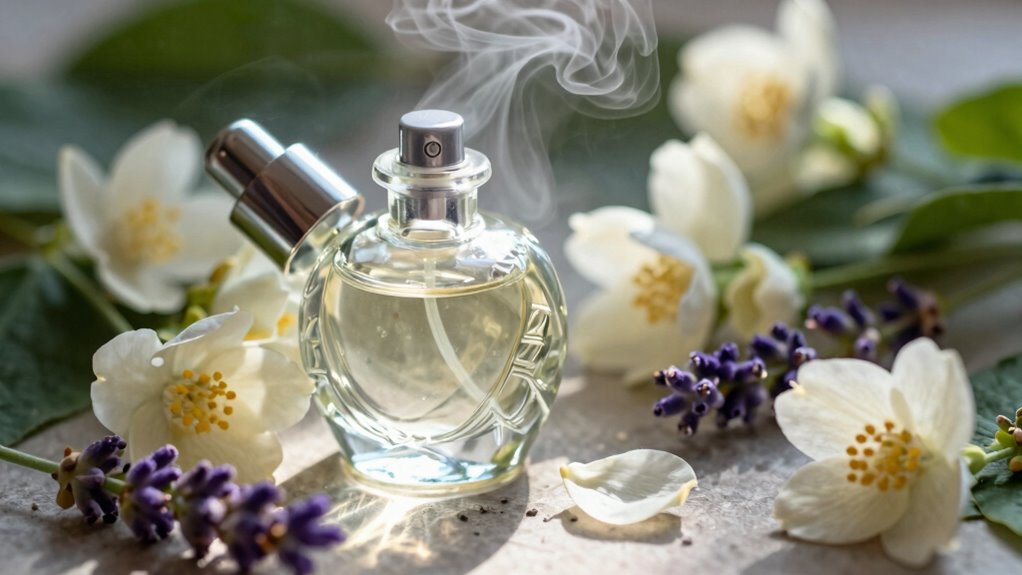

You might not realize it, but fragrance exposure could be behind many of your unexplainable symptoms like headaches, skin itchiness, or respiratory issues. Scented products from perfumes, air fresheners, and cleaning supplies often contain chemicals that your body reacts to—even if you don’t notice. These sensitivities can build over time, making faint scents trigger symptoms. If you want to understand how hidden chemical buildup worsens irritation and what you can do about it, there’s more to discover.

Get home appliances delivered free with Prime
- Fast, free delivery on millions of items
- Prime Video, Amazon Music and more included
- Member-only deals all year
Key Takeaways
- Fragrance exposure can cause unexplained headaches, skin irritation, and respiratory issues, often overlooked as allergy or stress.
- Synthetic chemicals in fragrances build up in environments, increasing sensitivities and making reactions more frequent.
- Masking odors with scented products worsens irritation by adding more chemicals into the environment.
- Persistent scent exposure disrupts the body’s detox processes, heightening chemical sensitivities over time.
- Recognizing fragrance as a hidden trigger is essential for diagnosing and managing unexplained irritation.
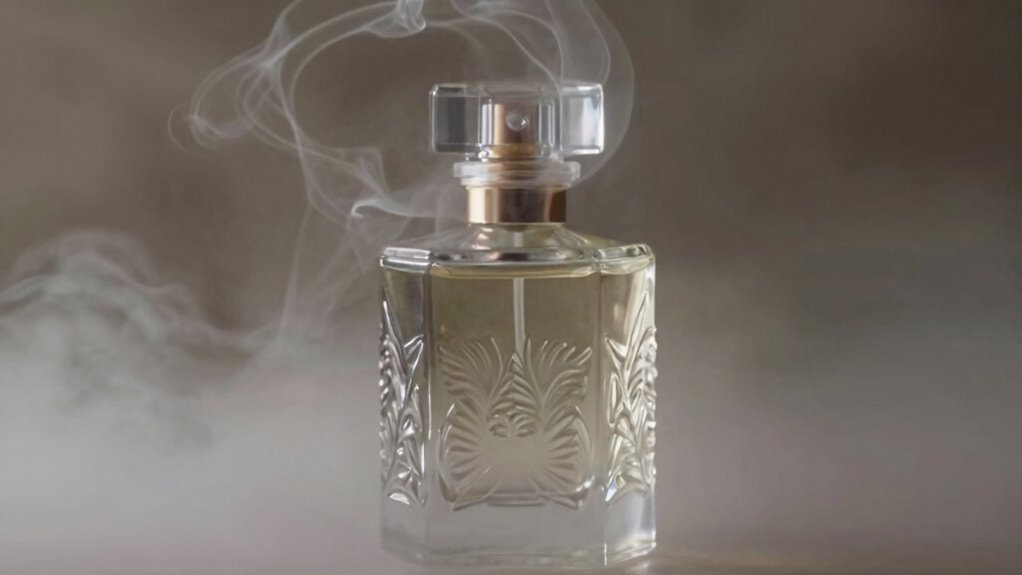
Many people experience unexplained irritation that seems to flare up without warning, and recent research suggests that fragrance exposure might be a hidden culprit. This irritation often feels like a sudden headache, skin itchiness, or respiratory discomfort, but pinpointing the cause can be tricky. One overlooked factor is how fragrances—whether from perfumes, air fresheners, or scented cleaning products—can trigger or worsen these reactions. For those with chemical sensitivities, these scents can act like invisible triggers, setting off a cascade of symptoms that seem to appear out of nowhere. The tricky part is that many people don’t even realize fragrances are the problem because they’ve learned to mask their discomfort with scent masking techniques, like using additional air fresheners or heavily scented products to “cover up” other odors. Ironically, this can intensify the issue, creating a cycle where scent masking only contributes to more irritation.
Fragrance exposure can silently trigger unexplained irritation and worsen symptoms, especially in those with sensitivities.
You might not notice how much fragrance is impacting you until your body reacts unexpectedly. It’s common to dismiss minor discomforts as allergies or stress, but for some, the root cause is their environment’s scent profile. Chemical sensitivities mean your body reacts strongly to chemicals present in fragrances, which are often loaded with synthetic compounds. These compounds can linger in the air, settle into fabrics, or coat surfaces, making exposure unavoidable even if you try to avoid direct contact. Over time, this persistent exposure can lead to heightened sensitivities, where even faint traces of scent trigger symptoms. It’s a subtle but powerful connection—your body becomes more reactive, and what once seemed harmless now causes discomfort. Recognizing the impact of environmental chemicals and their role in sensitivities can be a crucial step toward relief. Additionally, research shows that fragrances can interfere with your body’s natural detoxification processes, exacerbating sensitivities over time. This ongoing exposure can also contribute to chemical buildup in your environment, further impacting your health.
Scent masking complicates matters further. When you use heavily scented products to hide other smells, you’re adding more chemicals into your environment, which can worsen your symptoms instead of alleviating them. This creates a confusing scenario where you’re trying to eliminate odors but end up increasing your exposure to potential irritants. Recognizing this pattern is vital. If you notice your symptoms flare up in environments with multiple scents or after using scented products, it’s a sign that fragrance could be the culprit. Minimizing fragrance exposure and choosing unscented or naturally scented products can make a significant difference. Being aware of how synthetic compounds in fragrances impact health can also help you make more informed choices about product use.
As an affiliate, we earn on qualifying purchases.
Frequently Asked Questions
Can Fragrance Exposure Cause Long-Term Health Issues?
Yes, fragrance exposure can cause long-term health issues. You might be more vulnerable if you’re exposed to environmental toxins regularly, which can compound effects over time. Your genetic predisposition also plays a role, making some individuals more susceptible to health problems linked to fragrances. Continuous exposure could lead to respiratory issues, allergies, or even more serious conditions, so it’s wise to limit your contact with heavily fragranced products whenever possible.
Are Certain Fragrances More Likely to Trigger Irritation?
Yes, certain fragrances are more likely to trigger irritation, especially in those with perfume sensitivity. Scented candles often contain strong fragrances that can cause headaches, sneezing, or skin reactions. Perfume sensitivity varies from person to person, but fragrances with synthetic chemicals or high concentrations tend to be more irritating. To avoid discomfort, opt for unscented or naturally scented products, and limit exposure to potent scented candles and perfumes.
How Can I Identify if I Have Fragrance Sensitivity?
You might have fragrance sensitivity if you notice sensory overload or chemical reactions after exposure. Studies show over 30% of people experience such reactions, indicating sensitivity is common. To identify it, track your symptoms—like headaches, sneezing, or skin irritation—when exposed to fragrances. Eliminating scented products and observing changes can confirm if fragrances trigger your issues, helping you manage or avoid reactions effectively.
Do Fragrance Allergies Develop Over Time?
Yes, fragrance allergies can develop over time. As you’re exposed to various scents through fragrance marketing and scent layering, your immune system may gradually become hypersensitive. Repeated exposure to certain chemicals can trigger allergic reactions, even if you previously tolerated them. Pay attention to any new irritations or symptoms, and consider reducing exposure to layered fragrances to prevent or minimize developing allergies.
What Are the Best Fragrance-Free Alternatives?
Think of fragrance-free products as a clear, calm lake—pure and soothing. You can try natural remedies like coconut oil or aloe vera for skin comfort, and opt for unscented soaps and lotions. Scent masking is also helpful, using essential oils sparingly or herbal infusions. These alternatives minimize irritation, helping you enjoy a fresh feel without the risk of fragrance-triggered reactions.
hypoallergenic cleaning products
As an affiliate, we earn on qualifying purchases.
As an affiliate, we earn on qualifying purchases.
Conclusion
So, next time you encounter that inexplicable irritation from a fragrance, remember—it’s not just in your head. The link between scent exposure and mystery discomfort is way stronger than you think—it’s practically a hidden villain lurking in your daily life! Ignoring it could mean turning a simple sniff into a full-blown sensory sabotage. Stay alert, protect yourself, and don’t let fragrances hijack your well-being. Your nose—and your sanity—will thank you!
As an affiliate, we earn on qualifying purchases.
chemical sensitivity relief products
As an affiliate, we earn on qualifying purchases.
As an affiliate, we earn on qualifying purchases.
Halloween Picks
halloween
As an affiliate, we earn on qualifying purchases.