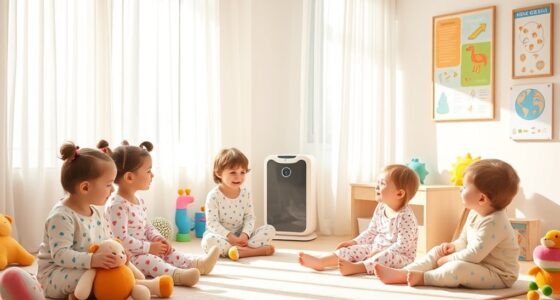
When you start spring cleaning, your indoor air quality might temporarily worsen. Cleaning stirs up airborne allergens like dust, pet dander, pollen, and mold spores, causing breathing difficulties. Also, chemical fumes from cleaners can linger, especially in poorly ventilated spaces. To minimize this, open windows and use fans. If you stick around, you’ll discover simple ways to reduce these issues and help your air improve faster after cleaning.

Get home appliances delivered free with Prime
- Fast, free delivery on millions of items
- Prime Video, Amazon Music and more included
- Member-only deals all year
Key Takeaways
- Spring cleaning temporarily increases indoor pollutants by stirring up airborne allergens and chemical fumes.
- Disturbing dust and settled particles releases allergens like pet dander, pollen, and mold spores into the air.
- Cleaning products emit VOCs and chemicals that can cause respiratory irritation and linger in poorly ventilated spaces.
- Proper ventilation and protective masks help reduce exposure to airborne allergens and chemical fumes during cleaning.
- The air quality typically improves after cleaning once pollutants settle and ventilation disperses airborne particles.
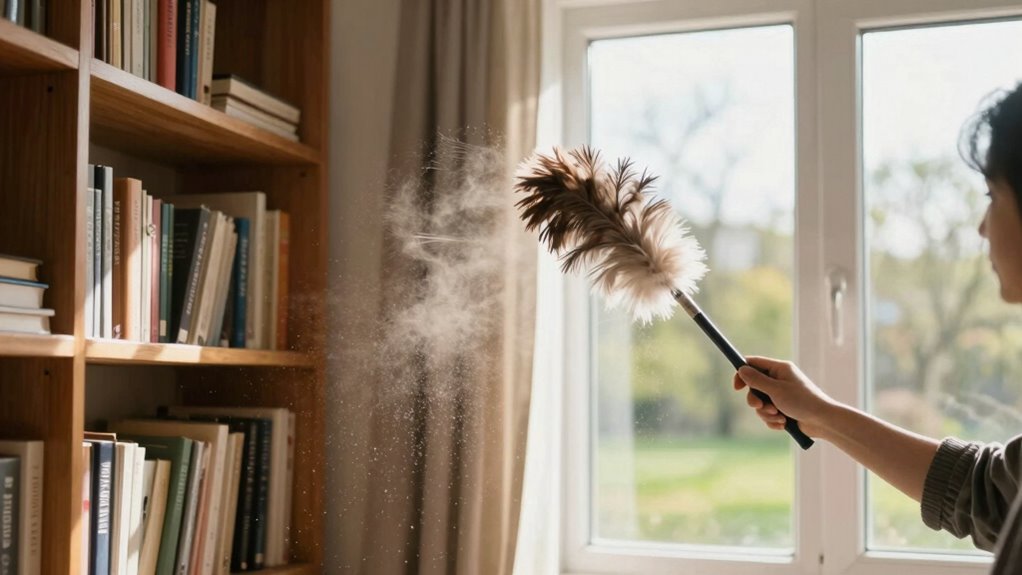
Have you ever noticed that spring cleaning sometimes makes the indoor air quality worse before it gets better? If you’ve recently gone through a deep clean, you might have experienced sneezing, coughing, or a lingering stuffy feeling afterward. That’s because, in the process, you can stir up airborne allergens and release chemical emissions into the air, creating a temporary spike in indoor pollutants.
Spring cleaning can temporarily worsen indoor air quality by stirring allergens and releasing chemical fumes.
When you start cleaning, dust and dirt trapped in carpets, upholstery, and curtains become airborne. These airborne allergens—such as pet dander, pollen, mold spores, and dust mites—are released into the air, making it harder to breathe comfortably. If you’re sensitive to these allergens, you might notice allergy symptoms worsen immediately after cleaning. It’s a natural consequence of disturbing settled particles, and it can take a while for these allergens to settle back down.
At the same time, many cleaning products contain volatile organic compounds (VOCs) and other chemicals that emit fumes when used. These chemical emissions can linger in the air, especially if you’re using sprays, disinfectants, or harsh cleaners. As you scrub and wipe surfaces, these chemicals are released, contributing to indoor air pollution. Short-term exposure to these fumes can cause headaches, dizziness, or respiratory irritation, particularly in poorly ventilated spaces. Proper ventilation can help mitigate these effects by dispersing airborne pollutants more quickly. Additionally, being aware of indoor air quality and its impact can help you make better choices during and after cleaning.
The good news is that these issues are temporary, but understanding them can help you take steps to reduce their impact. When you’re cleaning, guarantee proper ventilation by opening windows and using exhaust fans. This helps disperse airborne allergens and chemical emissions, preventing them from accumulating indoors. Wearing a mask can also protect you from inhaling dust and fumes directly. Consider switching to natural or low-VOC cleaning products to minimize chemical emissions, especially if you’re sensitive to strong odors or chemicals. Additionally, air purification solutions such as HEPA filters can further improve indoor air quality during this period. It’s a good idea to clean or replace filters in your home’s ventilation system regularly to keep the air as clean as possible.
HEPA air purifier for indoor air quality
As an affiliate, we earn on qualifying purchases.
As an affiliate, we earn on qualifying purchases.
Frequently Asked Questions
How Long Does Indoor Air Quality Typically Worsen After Cleaning?
Indoor air quality can worsen immediately after cleaning, due to air quality fluctuations from dust, cleaning fumes, and allergens. Typically, this temporary decline lasts for a few hours to a day, depending on the cleaning duration and ventilation. To minimize this, guarantee good airflow during and after cleaning, and use eco-friendly products. Usually, within 24 hours, your air quality improves as dust and fumes settle and ventilation restores balance.
Are There Specific Cleaning Products That Cause More Indoor Air Pollution?
Imagine you’re inviting a storm into your home; some cleaning products, especially harsh ones with strong fragrances, act like this storm, releasing VOC emissions that cloud your air. Conventional cleaners often emit volatile organic compounds, worsening indoor air quality. To avoid this, opt for eco-friendly alternatives that reduce VOC emissions, keeping your indoor environment fresh and safe. These natural options help you clean without brewing a new storm of pollution.
Can Spring Cleaning Harm Individuals With Allergies or Asthma?
Yes, spring cleaning can harm individuals with allergies or asthma. When you dust, vacuum, or use strong cleaning products, you stir up allergy triggers like dust mites, pet dander, and mold spores, which can worsen symptoms. Inhaling these particles may lead to asthma exacerbation. To minimize risks, wear masks, choose fragrance-free or natural cleaners, and guarantee good ventilation during cleaning to protect your health.
What Are the Best Practices to Minimize Indoor Air Pollution During Cleaning?
You’d think cleaning would clear the air, but no—so grab your air purifiers and opt for natural cleaning products. Ventilate your space generously to flush out airborne pollutants. Avoid harsh chemicals and synthetic fragrances that worsen indoor air. Regularly dust and vacuum with HEPA filters, and consider eco-friendly solutions. These practices help you breathe easier, proving that a little effort turns cleaning from a pollutant into a refreshing change.
Does Opening Windows Always Improve Indoor Air Quality During Cleaning?
Opening windows doesn’t always improve indoor air quality during cleaning because ventilation myths can lead you to believe it’s a foolproof solution. Sometimes, outdoor air may be more polluted or carry allergens, which can worsen indoor air temporarily. Instead, focus on proper cleaning routines with HEPA filters and air purifiers. Good ventilation is helpful, but it’s best to assess outdoor conditions and avoid over-reliance on opening windows during certain times.
low VOC natural cleaning products
As an affiliate, we earn on qualifying purchases.
As an affiliate, we earn on qualifying purchases.
Conclusion
So, as you immerse yourself in spring cleaning, remember that your efforts might stir up more dust and allergens before bringing fresh air in. It’s like clearing the clutter in a storm—chaotic at first, but worth it in the end. Stay vigilant about ventilation and use eco-friendly products. After all, the true beauty of a cleaned home isn’t just in the sparkle, but in the air you breathe. Breathe deep—you’ve got this!
As an affiliate, we earn on qualifying purchases.
exhaust fan for bathroom or kitchen
As an affiliate, we earn on qualifying purchases.
As an affiliate, we earn on qualifying purchases.
Fall yard work Picks
leaf blowers
As an affiliate, we earn on qualifying purchases.