

A single poorly ventilated or maintained room can silently affect your entire home’s comfort and air quality. Stale air, odors, and pollutants from one space can spread, making the whole house feel stuffy and uninviting. This impacts your sleep, mood, and overall well-being. Keeping rooms well-ventilated and adding plants can make a big difference. If you want to discover simple ways to improve your home’s air, keep going—you’re about to learn more.

Get home appliances delivered free with Prime
- Fast, free delivery on millions of items
- Prime Video, Amazon Music and more included
- Member-only deals all year
Key Takeaways
- Poor ventilation in one room can cause stale air and odors to spread throughout the entire home.
- A single unventilated or poorly maintained room can reduce overall indoor air quality and comfort.
- Stagnant air in one space can increase humidity and promote mold growth, affecting the whole house.
- Lack of airflow in a room can trigger allergies and respiratory issues across the entire home.
- Small issues like odors or pollutants in one room can impact the perceived cleanliness and freshness of the entire house.
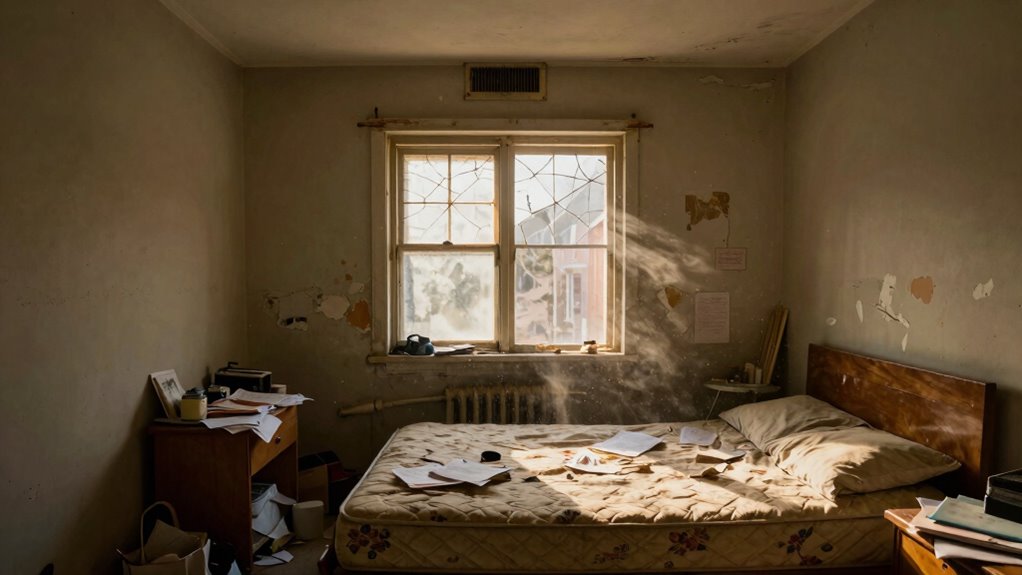
You might not realize it, but one poorly maintained or poorly ventilated room can notably impact your entire home’s comfort and air quality. When a room isn’t properly aired out or lacks fresh airflow, it becomes a breeding ground for stale air, odors, and potentially harmful pollutants. This can subtly influence how comfortable you feel throughout your home, affecting everything from sleep quality to overall well-being. Small issues in one room can ripple outward, making the entire house feel stuffy or uninviting. Incorporating ventilation solutions can significantly improve air circulation and reduce these problems. Indoor plants are a simple yet effective way to improve the air quality in that problematic room. They naturally filter toxins and increase oxygen levels, which helps refresh the space without the need for complex air purification systems. Plants like snake plants, pothos, and peace lilies are known for their ability to absorb airborne toxins such as formaldehyde, benzene, and trichloroethylene. By adding a few well-placed indoor plants, you can appreciably boost the air quality, making the room feel fresher and healthier. Plus, the presence of greenery can bring a calming, natural vibe that promotes relaxation and reduces stress.
However, simply having indoor plants isn’t enough if the room isn’t properly ventilated. Stale air can trap pollutants and moisture, leading to issues like mold growth and increased airborne allergens, which can worsen respiratory problems or allergies. Adequate ventilation isn’t just about bringing in fresh air; it’s also about exchanging indoor air efficiently. Opening windows regularly, using exhaust fans, or installing air exchange systems can make a noticeable difference. When you improve ventilation, you help disperse indoor pollutants and reduce humidity levels, creating a healthier environment for everyone. Additionally, air quality management practices like monitoring humidity and air purity can further enhance the overall environment. Furthermore, addressing poor ventilation can also help prevent long-term issues such as structural damage caused by excess moisture. Regularly maintaining and inspecting ventilation systems ensures they operate effectively, preventing the buildup of indoor pollutants and moisture. Ensuring proper air exchange techniques are used can help sustain a healthier indoor environment over time.
Paying attention to one room’s air quality and ventilation can have a big impact on your entire home’s comfort. If that room remains stagnant or filled with indoor air pollutants, it can make the whole house feel less comfortable and more difficult to breathe. By incorporating indoor plants and ensuring proper airflow, you create a healthier, more inviting space. Small adjustments like opening windows daily or placing plants strategically can transform that room from a source of discomfort into a fresh, breathable haven. Remember, the quality of the air in one room isn’t isolated; it influences the overall atmosphere of your entire home. Take proactive steps, and you’ll notice an immediate improvement in your living environment. Proper ventilation practices are essential for maintaining a consistently healthy and comfortable home.
Products Worth Considering

Levoit Core 300S-P Smart Wi-Fi Air Purifier

Levoit Vital 100S-P Air Purifier with Washable Pre-Filter

LEVOIT Vital 200S-P Smart Air Purifier for Large Rooms, White
As an affiliate, we earn on qualifying purchases.
Frequently Asked Questions
How Can I Identify if a Room Is Affecting My Home’s Air Quality?
You can tell if a room affects your home’s air quality by noticing musty odors, mold, or excessive dust. Use an air purifier to detect pollutants and improve air quality. Check for poor air circulation, which traps allergens and pollutants, making the room worse. If you notice lingering smells or respiratory issues when you’re in that space, it’s a sign that the room’s air quality is impacting your home’s overall environment.
What Are the Best Airflow Solutions for Problematic Rooms?
Have you considered how airflow patterns can improve your home’s air quality? To solve problematic rooms, use effective ventilation techniques like installing exhaust fans, opening windows regularly, or using ceiling fans to promote better circulation. These methods help balance airflow, remove stale air, and bring in fresh air. By optimizing airflow patterns, you’ll create a healthier, more comfortable environment where every room contributes positively to your home’s overall air quality.
Can Small Rooms Impact the Overall Humidity Levels in a House?
Yes, small rooms can impact your home’s overall humidity levels. Poor humidity control in a tiny space can lead to excess moisture or dryness, affecting air quality throughout the house. To prevent this, improve air circulation with fans or vents and use dehumidifiers or humidifiers as needed. Proper airflow helps balance humidity, ensuring your entire home stays comfortable and healthy, regardless of room size.
Are There Specific Materials That Improve Indoor Air in a Single Room?
Yes, certain material choices can improve indoor air quality in a single room. Opt for air purifying materials like activated charcoal, which absorbs toxins, or natural textiles such as organic cotton or wool that don’t emit volatile organic compounds (VOCs). Incorporating plants with air purifying properties, like snake plants or pothos, also helps. These choices actively filter and clean the air, creating a healthier, more comfortable environment in that room.
How Often Should I Ventilate This Problematic Room for Optimal Air Quality?
You should ventilate the problematic room at least once daily, ideally for 10-15 minutes. Did you know that poor indoor air quality can increase respiratory issues by 30%? Regular air purification and proper ventilation frequency help remove pollutants and refresh the air. Opening windows or using exhaust fans during this time guarantees fresh air circulates, reducing indoor toxins and improving your breathing, making your home healthier and more comfortable.
Conclusion
So, next time you ignore that one stubborn room, remember it’s not just a corner of your house—it’s the villain behind your breathing struggles and comfort chaos. Who knew that a tiny space could wield so much power? Maybe it’s time to give that room some love or at least a good cleaning. After all, your entire home’s harmony depends on that one rebellious corner. Don’t let it win—your lungs and sanity will thank you!