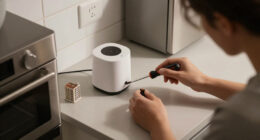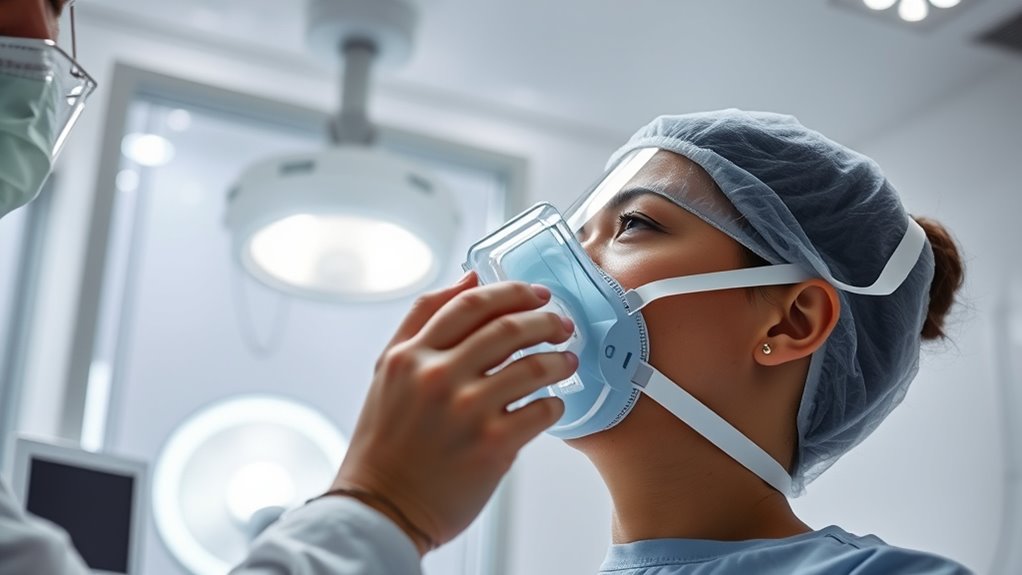
To protect immunocompromised individuals, focus on maintaining clean indoor air by using HEPA air purifiers, ensuring proper ventilation, and controlling humidity levels to prevent mold and dust mites. Regularly clean surfaces and reduce chemical pollutants to lower airborne pathogens. Avoid indoor smoking and pet dander, and monitor air quality with sensors. Creating a safer environment is essential, and exploring more strategies can help you better safeguard vulnerable loved ones and coworkers.
Key Takeaways
- Use HEPA air purifiers and proper ventilation to reduce airborne pathogens in indoor environments.
- Maintain humidity levels between 30-50% to prevent mold growth and dust mites.
- Regularly clean surfaces and control dust, pet dander, and chemical pollutants to minimize indoor contaminants.
- Enhance airflow by opening windows or using exhaust fans to dilute indoor pollutants and pathogens.
- Monitor indoor air quality with air quality sensors to identify and address pollution or pathogen buildup promptly.

Clean air is essential for everyone, but it’s especially important for immunocompromised individuals who face a higher risk of infection from pollutants and airborne pathogens. When your immune system is weakened, even small amounts of indoor pollutants can considerably impact your health. Improving indoor air quality becomes necessary to reduce exposure to harmful airborne particles and pathogens that can cause serious illness. You need to be proactive about creating a safe environment, especially in places where you spend most of your time, like your home or workplace.
Clean indoor air is vital, especially for immunocompromised individuals at higher infection risk.
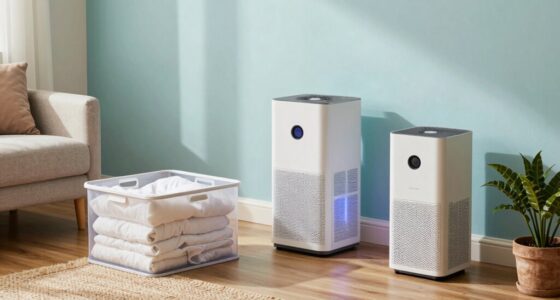
Airborne pathogens are microscopic organisms that can linger in the air and cause infections. These include viruses, bacteria, and fungi that may be present in the air from various sources, such as coughing, sneezing, or contaminated surfaces. Poor indoor air quality can facilitate the spread of these pathogens, making it even more essential for you to maintain a clean, well-ventilated environment. Regularly cleaning surfaces and using air purifiers with HEPA filters can greatly decrease the presence of airborne pathogens, reducing your chances of inhaling infectious particles.
You should also pay close attention to ventilation. Increasing airflow by opening windows or using exhaust fans helps dilute indoor pollutants and airborne pathogens, removing contaminated air and replacing it with fresh air. If natural ventilation isn’t possible, consider investing in mechanical ventilation systems that filter and circulate air effectively. Maintaining proper humidity levels, ideally between 30% and 50%, can also inhibit the growth of mold and dust mites, which contribute to poor indoor air quality and can aggravate respiratory issues. Additionally, ensuring proper air filtration can significantly improve overall air quality and reduce airborne contaminants.
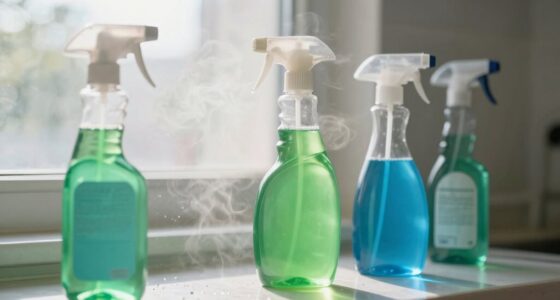
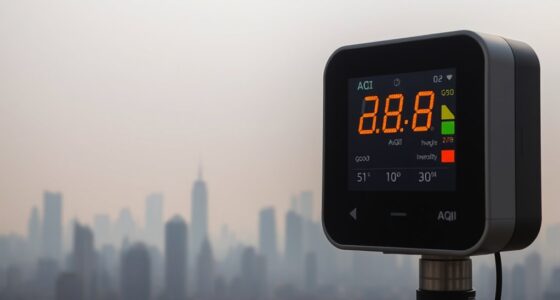
Another essential step is minimizing sources of indoor pollution. This means avoiding smoking indoors, reducing the use of harsh cleaning chemicals, and controlling dust and pet dander. Using natural or low-emission products can make a big difference. Additionally, air quality monitors can help you track pollutant levels and airborne pathogen presence, guiding you to take immediate action if levels rise.

LEVOIT Air Purifier for Home Pets Hair Allergies in Bedroom, Covers Up to 1073 ft² by 56W High Torque Motor, AHAM VERIFIDE, 3-in-1 Filter with HEPA Sleep Mode, Remove Dust Smoke Odor, Core300-P, White
- AHAM Verified for Performance: Independently tested for quality and efficiency
- Powerful Filtration System: 56W motor with 143 CFM CADR
- Effective Air Cleaning: Removes 99.97% dust, smoke, mold, pollen
As an affiliate, we earn on qualifying purchases.
As an affiliate, we earn on qualifying purchases.
Frequently Asked Questions
How Effective Are Air Purifiers Against Airborne Pathogens?
Air purifiers are quite effective against airborne pathogens when their efficiency is high. They can substantially reduce airborne virus filtration, helping to limit the spread of viruses like COVID-19 and influenza. To maximize their effectiveness, choose models with HEPA filters rated to capture 99.97% of small particles. Regular maintenance and proper placement are essential, so you can confidently rely on your air purifier to improve indoor air quality and protect vulnerable individuals.
Can Indoor Plants Improve Air Quality for Immunocompromised Individuals?
Indoor plants can improve air quality for immunocompromised individuals by increasing humidity and reducing airborne toxins. To maximize indoor plant benefits, choose plants known for air-purifying qualities, like snake plants or pothos. Proper plant selection and maintenance are key, as some plants can harbor mold or allergens. Regular cleaning and selecting low-allergen plants help create a healthier environment, supporting better breathing and overall well-being for immunocompromised people.
What Are the Most Recommended Air Filtration Standards?
You should prioritize air filtration standards that target indoor air quality effectively. Look for filters with a Minimum Efficiency Reporting Value (MERV) of 13 or higher, as they capture finer particles harmful to immunocompromised individuals. HEPA filters are excellent choices, providing high-efficiency air filtration. Make certain your ventilation system is properly maintained and regularly replaced to keep indoor air clean and safe, reducing potential health risks.
How Often Should HVAC Systems Be Maintained?
You should schedule HVAC maintenance at least twice a year to guarantee ideal system efficiency. Regular HVAC maintenance helps keep filters clean, ducts clear, and components functioning properly, which is essential for maintaining good indoor air quality. By keeping up with routine checks and servicing, you prevent system breakdowns, save energy, and create a healthier environment, especially for immunocompromised individuals who depend on clean air.
Are There Specific Masks That Provide Better Protection Indoors?
Like Athena’s shield, N95 masks offer superior mask efficacy and indoor filtration, making them ideal for protection indoors. They fit snugly, filtering out airborne particles effectively, unlike cloth masks. For maximum safety, choose masks with high filtration ratings and a proper seal. While surgical masks and KN95s also provide good protection, N95s are the most reliable, especially for immunocompromised individuals seeking the best indoor defense.

Amazon Smart Air Quality Monitor – Know your air, Works with Alexa
- Real-time air quality insights: Understand indoor air conditions easily
- Monitors five key factors: Tracks PM 2.5, VOCs, CO, humidity, and temperature
- Color-coded LED indicator: Displays current air quality status
As an affiliate, we earn on qualifying purchases.
As an affiliate, we earn on qualifying purchases.
Conclusion
By ensuring clean air, you protect the most vulnerable among us—those with weakened immune systems. While the world rushes outside in crowded streets and busy spaces, your efforts indoors create a safe haven. It’s a quiet act of bravery, a shield against invisible threats. In a world full of chaos, your commitment to pure air offers calm and security, proving that sometimes, the smallest actions make the biggest difference.

DREO 3L Humidifiers for Bedroom, 30H Runtime, 26 dB Quiet, New Edition
- Large Capacity Tank: 3L tank for 30 hours of humidification
- Wide Coverage Area: Covers up to 300 sq ft with 360° nozzle
- Quiet Operation: Operates at 26dB for peaceful sleep
As an affiliate, we earn on qualifying purchases.
As an affiliate, we earn on qualifying purchases.

Quini 512M 6-inch Through Wall Exhaust Fan, 80 CFM 4.0 Sones, Bathroom Wall Exhaust Fan, Kitchen Ventilation Fan, 6-inch Diameter Vent, Retractable Duct, One-Year Warranty
- Warranty Period: 1-year warranty included
- Installation Compatibility: Check dimensions before purchase
- Adjustable Duct: 6.2-inch diameter, 2-15 inch length
As an affiliate, we earn on qualifying purchases.
As an affiliate, we earn on qualifying purchases.