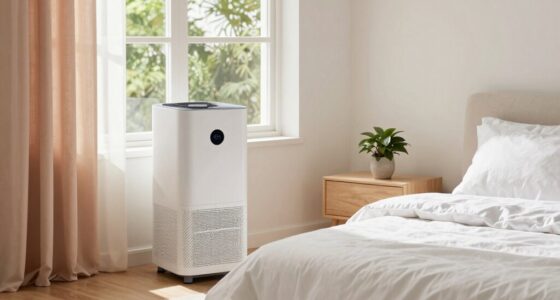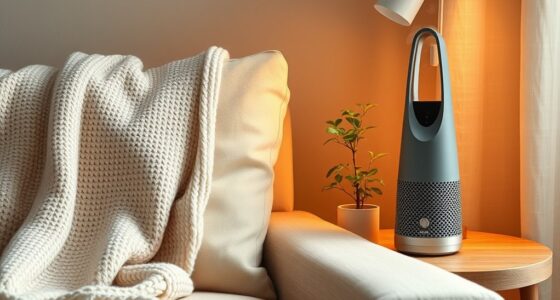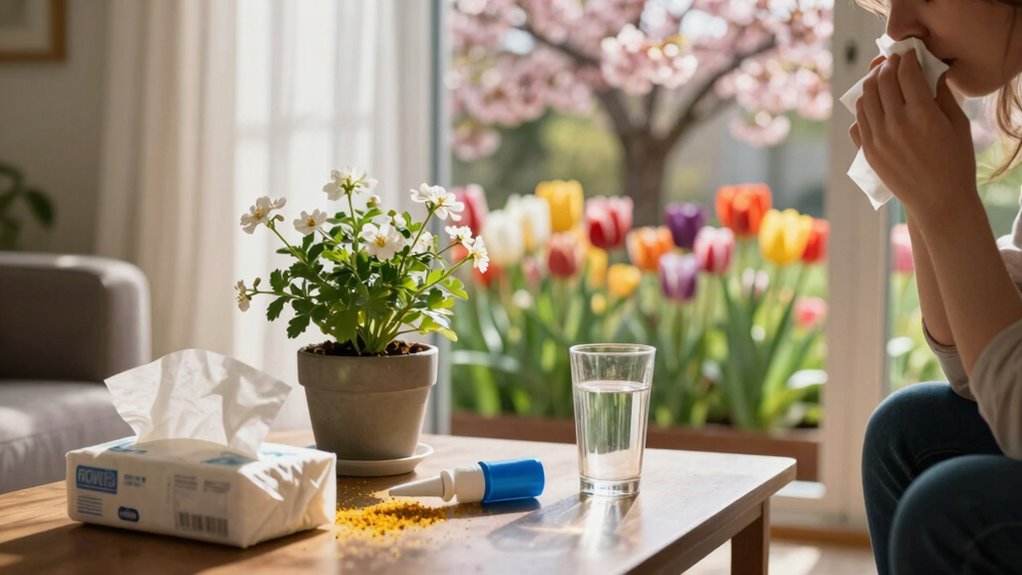
During spring, outdoor allergens like pollen easily enter your home through open windows, clothing, or wind, settling into carpets, bedding, and furniture. Household activities stir up dust, mold spores, and pet dander, increasing indoor allergen levels. Poor ventilation and high humidity also foster mold growth, making symptoms worse faster. To limit exposure, keep windows closed on high pollen days and improve air quality. If you want to learn more about managing indoor allergens, keep exploring.

Get home appliances delivered free with Prime
- Fast, free delivery on millions of items
- Prime Video, Amazon Music and more included
- Member-only deals all year
Key Takeaways
- Outdoor allergens like pollen enter homes through open windows and clothing, increasing indoor allergen levels.
- Wind and household activities stir up dust, mold spores, and pet dander, elevating indoor allergen concentrations.
- Poor indoor ventilation traps allergens inside, prolonging exposure and symptom severity.
- High indoor humidity fosters mold growth, boosting indoor allergen presence during spring.
- Inadequate air filtration allows airborne allergens to accumulate indoors, worsening allergy symptoms.

As spring blooms outside, your allergy symptoms can seem to pile up even faster indoors—often catching you off guard. While you might think staying inside offers relief from outdoor pollen, the reality is that indoor air quality can actually worsen your allergies during this season. Pollen and other seasonal allergens don’t stay outside; they find their way into your home through open windows, doors, and even on your clothes. Once inside, these allergens settle into carpets, bedding, and furniture, making your indoor environment just as problematic as the outdoors. This constant influx of seasonal allergen exposure keeps your immune system on high alert, intensifying allergy symptoms.
Indoor allergens increase during spring, worsening symptoms despite staying inside.
Your indoor air quality plays a critical role in how severe your symptoms become. Poor ventilation, accumulated dust, pet dander, mold, and other indoor pollutants can all compound the problem. During spring, these issues are often overlooked because you focus on outdoor pollen counts. But the truth is, if your indoor air isn’t clean, allergens can linger longer, increasing your exposure even when you’re inside. Using air purifiers with HEPA filters can help trap airborne allergens, improving the air you breathe. Regularly changing filters, vacuuming with a HEPA vacuum, and maintaining good ventilation are also essential steps to keep indoor air quality high. Additionally, understanding how indoor air quality impacts allergy symptoms can help you better manage your environment and reduce allergen buildup.
You might think that staying indoors shields you from seasonal allergen exposure, but many allergens find their way inside. Wind can carry pollen into your home, while opening windows or doors allows outdoor allergens to drift in freely. Even household activities like cleaning or cooking can stir up dust and mold spores, further aggravating your allergies. During spring, mold spores tend to increase due to dampness and humidity, adding another layer of allergen exposure indoors. If you’re sensitive, these indoor allergens can trigger symptoms just as intensely as those outside. Recognizing how indoor allergens can impact your allergy symptoms is key to managing your environment effectively. Maintaining proper ventilation can also help remove indoor pollutants and reduce allergen levels.
To combat this, you need to be proactive about reducing indoor allergen levels. Keep windows closed on high pollen days, use air purifiers, and wash bedding frequently in hot water. Keeping humidity levels low, around 30-50%, helps prevent mold growth. Regularly cleaning and dusting surfaces will also minimize dust mites and pet dander. By taking these steps, you can improve your indoor air quality and lessen your seasonal allergen exposure. This isn’t just about comfort—it’s about actively reducing the triggers that make your allergy symptoms stack up faster inside during spring.
As an affiliate, we earn on qualifying purchases.
Frequently Asked Questions
Can Indoor Plants Help Reduce Allergy Symptoms in Spring?
Indoor plants can help reduce allergy symptoms during spring by improving air quality and increasing humidity. However, be cautious with indoor greenery, as some plants may trigger plant allergies or worsen symptoms. Choose hypoallergenic options like pothos or snake plants. Regularly cleaning and avoiding overly flowering plants can minimize plant allergies. Overall, with careful selection, indoor plants can create a healthier environment and potentially ease allergy symptoms indoors.
How Does Air Conditioning Affect Indoor Allergy Levels?
Air conditioning can impact indoor allergy levels considerably. By incorporating air filtration systems, you remove pollen, dust, and allergens from the air, reducing allergy symptoms. Proper ventilation strategies ensure fresh air circulation, preventing allergen buildup indoors. You should regularly clean or replace filters and use high-efficiency filters. Maintaining good airflow and filtration helps you breathe easier, especially during spring when outdoor allergens are abundant.
Are Synthetic or Natural Materials Better for Allergy Sufferers Inside?
Synthetic fabrics are generally better for allergy sufferers indoors because they resist dust mites and mold more effectively than natural fibers. Natural fibers, like wool or cotton, tend to trap more allergens and can harbor mold if not properly cleaned. By choosing synthetic fabrics for bedding and upholstery, you reduce allergen buildup, helping to keep indoor air cleaner and your allergy symptoms less severe during spring.
What Are the Best Air Purifiers for Allergy Relief Indoors?
Think of air purifiers as your allergy-fighting knights. For indoor allergy relief, look for HEPA filtration units—they trap tiny allergens like pollen, pet dander, and dust mites effectively. Portable HEPA air purifiers are ideal for individual rooms, while whole-house systems provide extensive coverage. Choose a model with high CADR ratings and maintenance ease. These air purifier types can turn your home into a breath of fresh spring air, free of allergens.
Does Humidity Control Improve Indoor Allergy Symptoms During Spring?
Yes, controlling humidity levels can improve your indoor allergy symptoms during spring. When humidity is kept between 30-50%, it helps prevent mold growth and dust mites, which thrive in damp environments. By maintaining proper humidity, you create a less hospitable environment for allergens, reducing symptoms like sneezing and congestion. Use a dehumidifier if needed, and keep your home well-ventilated to help allergy relief during this season.
HEPA vacuum cleaner for dust and pet dander
As an affiliate, we earn on qualifying purchases.
As an affiliate, we earn on qualifying purchases.
Conclusion
So, now you know why allergy symptoms can pile up faster indoors during spring. Keep in mind, even when you’re inside, allergens like pollen and dust can sneak in and cause a fuss. To stay ahead of the game, clean regularly, use air purifiers, and keep windows closed during peak pollen times. Remember, don’t let allergies rain on your parade—stay proactive, and you’ll be back to enjoying the season instead of just surviving it.
mold remover spray for indoor use
As an affiliate, we earn on qualifying purchases.
As an affiliate, we earn on qualifying purchases.
air quality monitor with pollen detection
As an affiliate, we earn on qualifying purchases.
As an affiliate, we earn on qualifying purchases.
Fall Picks
fall essentials
As an affiliate, we earn on qualifying purchases.