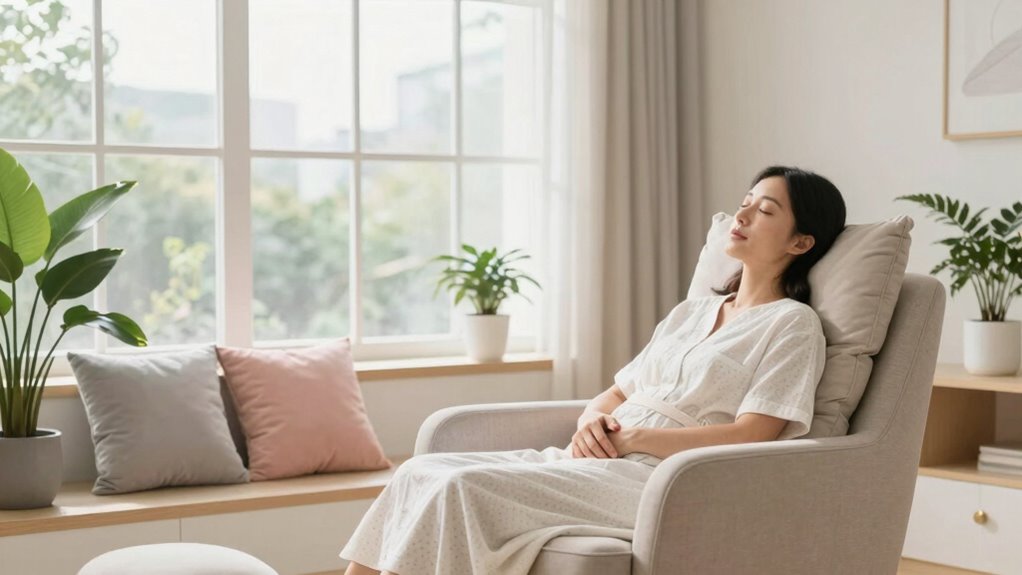
You benefit from better indoor air in postpartum recovery spaces because it directly supports your healing and overall comfort. Clean, well-ventilated air reduces the risk of respiratory issues, allergies, and infections, helping your immune system recover faster. Proper air filtration removes pollutants and allergens that can cause discomfort. Good ventilation controls humidity and keeps your environment fresh. To discover practical ways to improve your space and promote healing, keep exploring these essential strategies.
Key Takeaways
- Improved air quality supports the mother’s immune system and speeds up postpartum healing.
- Cleaner indoor air reduces respiratory infections and discomfort for both mother and newborn.
- Effective ventilation prevents mold and mold spores, protecting respiratory health.
- Air filtration removes allergens like dust and pet dander, minimizing irritations.
- A healthy indoor environment fosters comfort, peace of mind, and overall well-being during recovery.
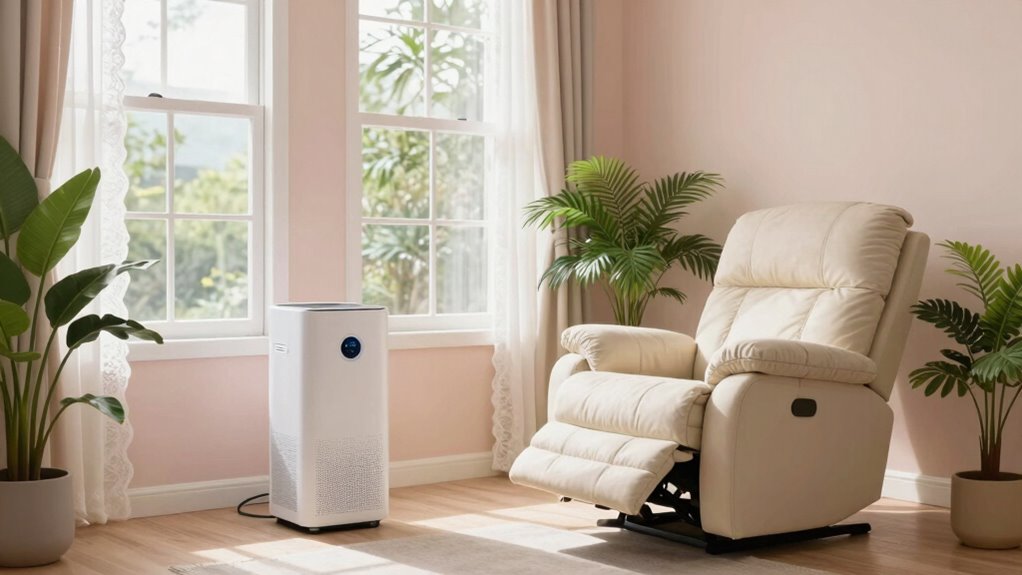
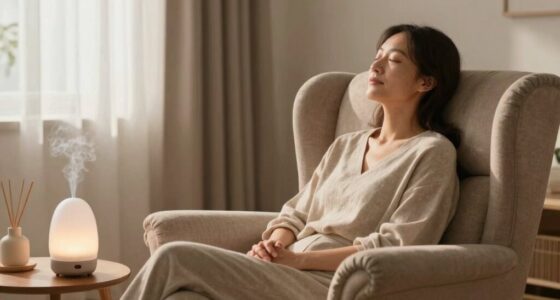
After giving birth, creating a comfortable and safe recovery space is essential for your healing process. Your environment plays a significant role in how quickly and comfortably you recover. One of the most overlooked aspects of a postpartum space is indoor air quality. Good air quality isn’t just about comfort; it directly affects your health, immune system, and overall well-being during this critical time. That’s why investing in proper air filtration and ventilation systems makes a real difference.
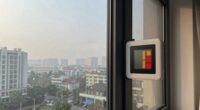
Air filtration is vital because it helps remove airborne pollutants, allergens, and bacteria that can linger indoors. Postpartum recovery spaces can accumulate dust, pet dander, and other irritants that might worsen respiratory issues or cause discomfort. Using a high-quality air purifier with HEPA filters can trap microscopic particles, ensuring the air you breathe is cleaner and healthier. This is especially important if you or your baby have allergies or sensitivities. Clean air reduces the risk of respiratory infections and helps you breathe more easily, which is crucial when you’re resting and healing. Additionally, incorporating indoor air quality monitoring devices can help you keep track of pollutant levels and ensure optimal conditions.
Ventilation systems further improve indoor air quality by continuously exchanging stale indoor air with fresh outdoor air. Proper ventilation helps control humidity levels, preventing mold and mildew growth, which thrive in damp environments. Mold spores can negatively impact your respiratory health and even cause allergic reactions. By ensuring good airflow with efficient ventilation, you create a space that’s not only more comfortable but also safer for your recovery. It’s especially helpful if your home tends to trap indoor pollutants or if you live in an area with high outdoor pollution levels. Proper ventilation is also essential for mold prevention, which is a common concern in humid environments. In addition, maintaining proper indoor air quality can help mitigate indoor pollutants, which are often invisible but harmful. Ensuring that your space has adequate air exchange can significantly improve overall air freshness and reduce contaminant buildup. Incorporating these systems can also contribute to energy efficiency, reducing overall utility costs while maintaining healthy air standards.
Creating a recovery space with proper air filtration and ventilation isn’t complicated, but it makes a noticeable difference. Simple measures like keeping windows open when weather permits or installing exhaust fans can improve airflow. For more consistent results, consider upgrading to a mechanical ventilation system that ensures continuous fresh air circulation without drafts. These systems can be integrated seamlessly into your home, providing a steady supply of clean air to support your health and your baby’s well-being.
Ultimately, prioritizing better indoor air in your postpartum recovery space is about making smart, health-conscious choices. It’s about creating an environment that promotes healing, reduces potential allergens, and supports your immune system. When you breathe cleaner air, you’re giving yourself and your newborn a healthier, more comfortable space to recover and bond. The effort to improve air quality pays off in the form of faster healing, fewer respiratory issues, and peace of mind during this precious time.
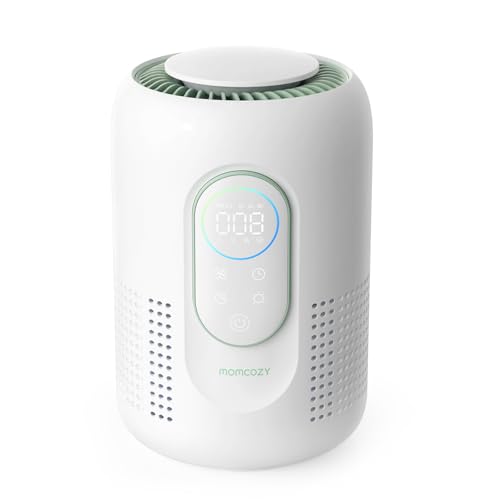
Momcozy Air Purifier for Bedroom with Dimmable Night Light for Small Room
- Quad-Layer Filtration System: 4-stage filter for superior air cleaning
- H13 HEPA & Activated Carbon: Traps particles, odors, and allergens
- Real-Time PM2.5 Monitoring: Displays live air quality levels
As an affiliate, we earn on qualifying purchases.
As an affiliate, we earn on qualifying purchases.
Frequently Asked Questions
How Does Indoor Air Quality Affect Postpartum Mental Health?
Poor indoor air quality can negatively impact your postpartum mental health by reducing emotional well-being and sleep quality. When the air is filled with pollutants or lacks proper ventilation, you might feel more anxious, stressed, or fatigued. Better indoor air helps you breathe easier, promotes restful sleep, and stabilizes emotions, making it easier to recover mentally and physically after childbirth. Improving air quality is essential for your overall postpartum health.
What Specific Pollutants Should Be Minimized in Recovery Spaces?
Think of your recovery space as a delicate garden that needs nurturing. You should minimize chemical emissions and mold spores, which are like invasive weeds choking the air. These pollutants can cause discomfort and health issues, especially for new moms. Keep the air fresh and clean by choosing low-emission paints, avoiding mold-prone areas, and ensuring proper ventilation. This way, your space becomes a safe haven for healing and renewal.
Are Air Purifiers Effective for Postpartum Recovery Environments?
Yes, air purifiers are effective for postpartum recovery environments, helping to reduce pollutants and improve air quality. To guarantee they work well, you need to stay on top of air purifier maintenance, like regularly replacing filters. While air purifier costs vary, investing in a quality unit can be worthwhile for a healthier space. Proper maintenance keeps them efficient, so you get the most benefit for your money, creating a safer environment for recovery.
How Often Should Indoor Air Quality Be Monitored?
You should monitor indoor air quality regularly, ideally weekly, to guarantee ideal conditions. Keep an eye on air filtration systems and humidity control to prevent mold, bacteria, and airborne pollutants from affecting recovery. Use air quality sensors to track particulate levels and humidity, adjusting your systems accordingly. Consistent monitoring helps maintain a safe, comfortable environment, supporting healing and well-being for postpartum mothers and their babies.
What Natural Ventilation Methods Improve Air Quality in Recovery Spaces?
Have you ever wondered if fresh air really makes a difference? Natural airflow and effective ventilation strategies can considerably improve air quality in recovery spaces. Opening windows allows for natural ventilation, bringing in fresh air and reducing indoor pollutants. Using vents or exhaust fans helps circulate air efficiently. By prioritizing these strategies, you create a healthier, more comfortable environment that supports healing and well-being for new mothers and their babies.

16 in 1 Air Quality Monitor Indoor 7" Wildfire CO2 Monitor, 9 AQI+7 Alerts
- 16-in-1 Air Quality Monitoring: Detects 9 key air parameters and 7 AQI alerts
- Large 7-inch LED Display: Clear, high-resolution air quality readings
- Multiple Brightness Settings: Adjust display brightness for any lighting
As an affiliate, we earn on qualifying purchases.
As an affiliate, we earn on qualifying purchases.
Conclusion
Think of postpartum recovery spaces as delicate gardens—you’re nurturing new life and need the freshest air to help it flourish. When indoor air quality improves, you create a sanctuary where healing feels natural and comforting. Clear, clean air acts like sunlight, energizing both body and mind, making recovery smoother. Prioritize better indoor air, and watch your space transform into a haven where new beginnings can truly breathe and bloom.
As an affiliate, we earn on qualifying purchases.

Clorox Medium Room Air Purifiers for Bedroom Home, True HEPA Filter
- High-Efficiency Filtration: Captures 99.97% allergens and 99.9% viruses
- 3-Stage 360° Air Purification: Filters allergens, particles, odors, and VOCs
- Suitable for Medium Rooms: Cleans 225 sq. ft. 5x/hour, larger spaces
As an affiliate, we earn on qualifying purchases.
As an affiliate, we earn on qualifying purchases.