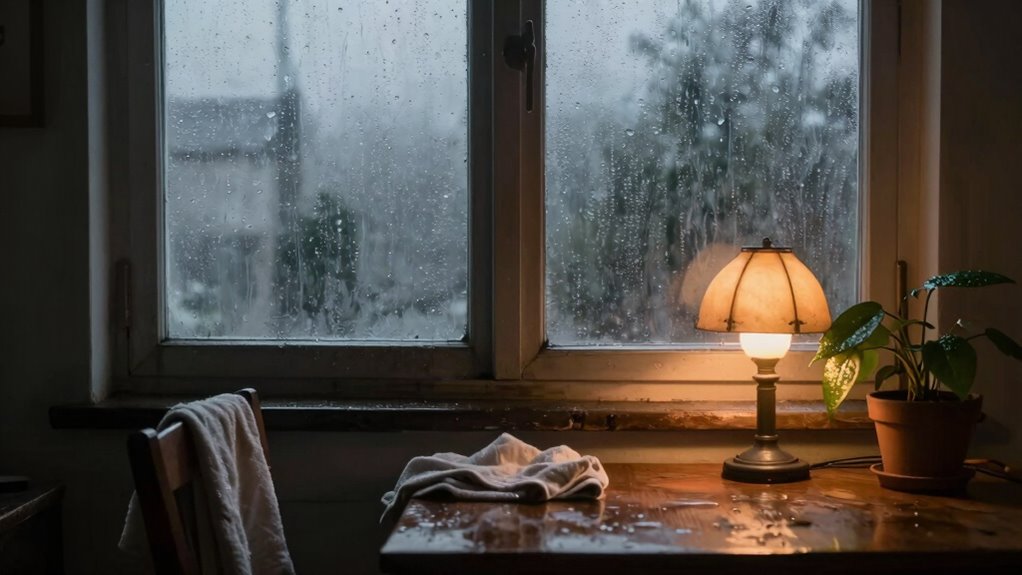

During heavy rain, outdoor air saturation reduces ventilation effectiveness, causing moisture to seep indoors quickly and raising humidity levels fast. Your usual habits, like opening windows, may not keep moisture out during such times, leading to dampness, stuffiness, and potential mold growth. To better control indoor humidity, you’ll want to rely on exhaust fans and proper ventilation systems. Keep your environment dry and healthy—if you stay prepared, you’ll find out how to manage moisture effectively.
Open a free Amazon Business account
Business pricing, bulk buying and tax-exempt orders.
As an affiliate, we earn on qualifying purchases.
Key Takeaways
- Heavy rain reduces natural ventilation effectiveness, causing indoor humidity to rise rapidly regardless of habits.
- Moisture seeps indoors during rain, increasing humidity levels beyond typical control methods.
- Elevated indoor humidity promotes mold growth, which can develop faster than habits can prevent.
- Relying only on windows during rain is insufficient; additional ventilation like exhaust fans is essential.
- Continuous monitoring and active humidity control are necessary to prevent moisture buildup during rainy weeks.
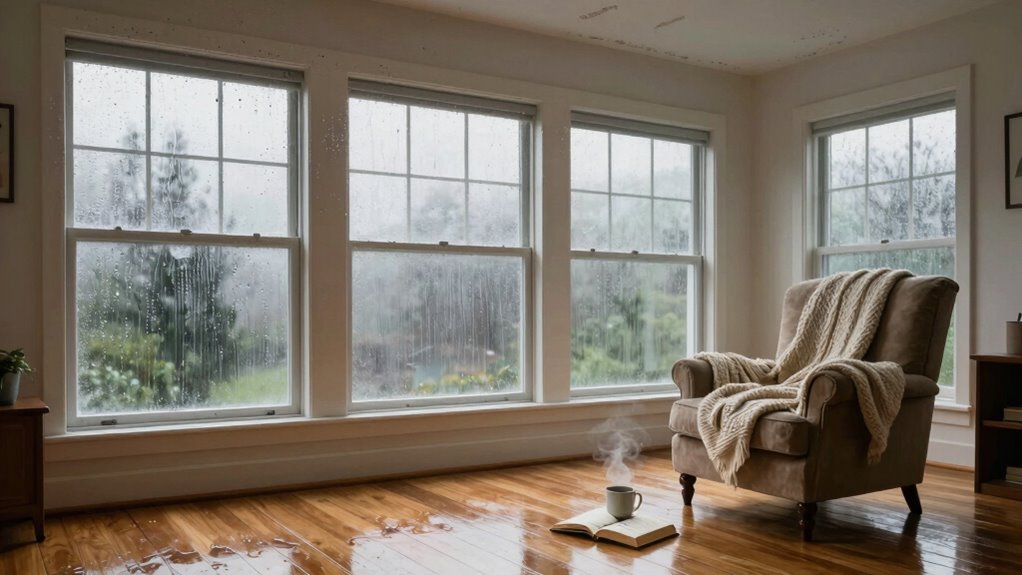
During rainy weeks, indoor moisture levels often rise unexpectedly, leading to discomfort and potential damage. You might think that your daily habits, like opening windows or running the exhaust fan, are enough to control humidity, but heavy rain can quickly overwhelm these efforts. When outdoor air becomes saturated with moisture, natural ventilation strategies lose their effectiveness. Instead, the moisture seeps inside, increasing humidity levels faster than you can adjust your routine. This rapid shift not only causes discomfort—like dampness and stuffiness—but also creates ideal conditions for mold growth if left unchecked.
To combat this, you need to pay attention to your ventilation strategies. Relying solely on open windows during heavy rain isn’t enough because moisture-laden air will just enter and stay trapped indoors. Instead, consider using exhaust fans in kitchens and bathrooms consistently, especially during rainy spells. These fans help expel excess moisture directly outside, reducing indoor humidity levels efficiently. If you have an HVAC system, make sure it’s properly maintained and equipped with a dehumidification feature. This setup actively pulls moisture from the air and maintains a more stable indoor environment, regardless of outside weather conditions.
Preventing mold during wet weeks requires more than just opening windows. Mold thrives in damp, stagnant environments, so controlling indoor humidity is vital. Aim to keep indoor moisture levels below 60%, ideally between 30% and 50%. Using a hygrometer can give you real-time readings, so you know when it’s time to boost ventilation or run a dehumidifier. Additionally, indoor air quality can be significantly impacted by excess moisture, so maintaining proper ventilation and humidity control is essential. Proper ventilation not only improves air quality but also helps prevent the buildup of indoor moisture that encourages mold. Furthermore, understanding how outdoor weather patterns influence indoor humidity can help you better prepare for rainy periods. Incorporating air circulation measures can also assist in preventing moisture stagnation and mold development.
If you notice persistent dampness or a musty smell, it’s a sign you need to step up your mold prevention measures. During rainy weeks, it’s especially important to stay vigilant. You might need to run your dehumidifier more often or increase the frequency of ventilation in problem areas. Also, keep an eye on areas prone to moisture buildup, like basements, bathrooms, and around windows. Sealing leaks and improving insulation can reduce the amount of moist air infiltrating your home. By combining effective ventilation strategies with proactive mold prevention, you’ll keep indoor air healthier and shield your home from potential damage caused by excess moisture during those rainy weeks.
As an affiliate, we earn on qualifying purchases.
Frequently Asked Questions
Can Indoor Plants Help Reduce Indoor Moisture During Rainy Weeks?
Indoor plants can help reduce indoor moisture during rainy weeks through plant transpiration and soil moisture regulation. As plants transpire, they release moisture into the air, which can help balance humidity levels. Additionally, healthy plants absorb excess moisture from the soil, preventing it from accumulating and increasing indoor humidity. By choosing the right plants and maintaining proper care, you can naturally manage indoor moisture and improve air quality during damp weather.
Does Opening Windows Increase or Decrease Indoor Moisture Levels?
Opening windows generally decreases indoor moisture levels, especially during rainy weeks, by promoting natural ventilation. Studies show that proper ventilation strategies can reduce indoor humidity by up to 30%. Use humidity sensors to monitor moisture levels and make sure windows are opened when needed. This prevents excess dampness, improves air quality, and helps balance indoor humidity, making your space more comfortable and less prone to mold growth during rainy weather.
How Quickly Can Indoor Humidity Change During a Rainy Week?
During a rainy week, indoor humidity can change within hours, especially if you frequently open windows to encourage air exchange. Moisture absorption by walls and furniture also plays a role, quickly increasing indoor moisture levels. If you keep windows closed, humidity may rise more slowly, but opening them promotes air exchange and helps reduce excess moisture. Stay mindful of these factors to maintain comfortable, balanced indoor humidity.
Are There Specific Materials That Absorb Indoor Moisture Faster?
Yes, certain materials absorb indoor moisture faster due to their absorption rate and material properties. Porous materials like sponges, towels, and untreated wood have high absorption rates, allowing them to quickly draw in moisture. Conversely, non-porous materials like plastic or glass have low absorption rates. By choosing materials with high absorption properties, you can better manage indoor humidity and prevent mold growth during damp conditions.
Can Indoor Humidity Affect the Structural Integrity of a Home?
Indoor humidity can indeed affect your home’s structural integrity. Imagine moisture infiltration gradually weakening your basement walls, leading to cracks and potential collapse. Elevated humidity levels cause wood to warp and metal to corrode, accelerating structural weakening over time. Regularly controlling indoor moisture helps prevent these issues, ensuring your home remains safe and sound. Ignoring humidity fluctuations can silently jeopardize your home’s foundation and overall durability.
As an affiliate, we earn on qualifying purchases.
Conclusion
During a rainy week, indoor moisture can increase quickly, sometimes doubling in just a few days. You might not even realize how much humidity sneaks in, affecting your comfort and health. Did you know that indoor humidity levels above 60% can promote mold growth and dust mites? Staying vigilant and managing moisture is key to keeping your home healthy and comfortable, especially during those soggy weeks when moisture levels spike faster than you expect.
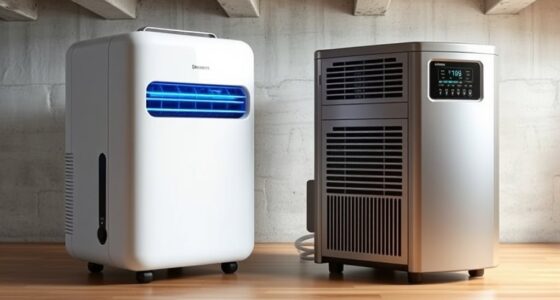
home dehumidifier for moisture control
As an affiliate, we earn on qualifying purchases.
As an affiliate, we earn on qualifying purchases.
As an affiliate, we earn on qualifying purchases.
NFL season / tailgating Picks
team gear
As an affiliate, we earn on qualifying purchases.

![Pedestrian Walkways No Place For Chairs And Tables [WATCH] - NST Online](https://pureairadviser.com/wp-content/uploads/2026/09/pedestrian-walkways-no-place-for-chairs-and-tables-watch-nst-online-featured-260x140.jpg)


