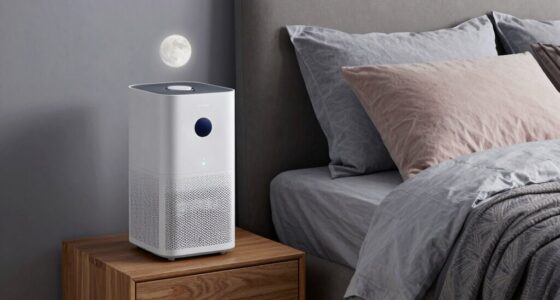
When you assemble furniture, chemical fumes from pressed wood, particleboard, and adhesives can quickly fill your indoor air, especially if your space isn’t well-ventilated. These emissions peak within the first few days but can linger for weeks, affecting your health and comfort. Improper ventilation and delayed airing out make things worse. To protect yourself, consider low-emission furniture and better air flow—there’s more you should know to keep your air cleaner.

Get home appliances delivered free with Prime
- Fast, free delivery on millions of items
- Prime Video, Amazon Music and more included
- Member-only deals all year
Key Takeaways
- Unpacking and assembling furniture releases VOCs and chemical fumes that quickly degrade indoor air quality.
- Emissions are most intense during the first few days but can persist for weeks.
- Poor ventilation causes rapid accumulation of harmful fumes, worsening air quality.
- Chemical emissions can cause health issues like headaches, eye irritation, and respiratory problems.
- Using low-emission furniture and increasing ventilation helps protect indoor air quality during and after assembly.
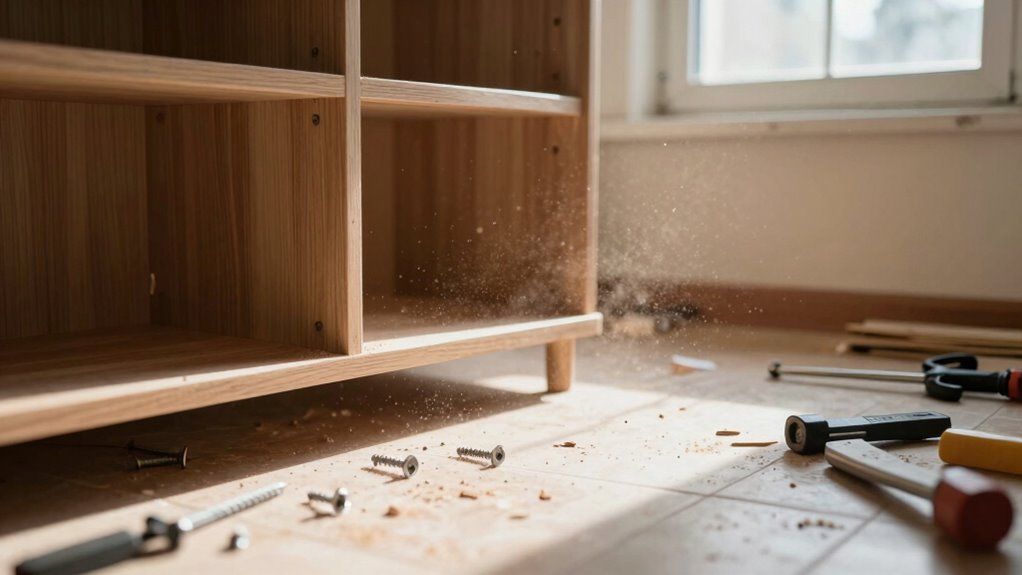
As you assemble new furniture, you might not realize that the process can quickly compromise your indoor air quality. When you unpack and put together that new dresser or bookshelf, you’re exposing yourself to chemical emissions that can linger in the air long after the assembly is complete. Many furniture pieces, especially those made from pressed wood, particleboard, or MDF, emit volatile organic compounds (VOCs). These chemicals are released into the air during and after assembly, leading to decreased air quality inside your home.
Assembling new furniture can release harmful VOCs, impacting indoor air quality long after setup.
The problem with chemical emissions is that they often occur rapidly, and their effects can be more intense than you expect initially. As you tighten screws or snap pieces into place, you’re disturbing the materials that contain these harmful chemicals. The dust and fumes released during assembly can fill your space, and if your ventilation isn’t good, they can accumulate quickly. This exposure can cause eye irritation, headaches, respiratory issues, or worsen allergy symptoms. You might think the air feels fine at first, but the chemicals are working beneath the surface, slowly degrading indoor air quality.
Additionally, the adhesives and paints used in some furniture can emit strong fumes that contribute to indoor air pollution. These chemical emissions are often most potent during the first few days after assembly but can persist for weeks. When you’re in the middle of setting up, you might be tempted to ignore the smell or assume it’s harmless. However, inhaling these fumes regularly can pose health risks, especially for children, pets, or anyone with respiratory sensitivities. Recognizing the importance of indoor air quality, including the chemical emissions from new furniture, can motivate you to take preventative measures. Properly managing these emissions by understanding their chemical composition helps you create a safer environment.
To minimize the impact, you should open windows and increase ventilation during and after assembly. Using fans to circulate fresh air helps disperse chemical emissions more quickly. Wearing a mask during assembly can also reduce your inhalation of dust and fumes. If possible, delay placing furniture in your main living areas until the emissions have subsided, or at least for a day or two after assembly. It’s also helpful to consider emission duration when selecting new furniture, as some materials emit fewer VOCs and are less likely to impact your indoor air. In the long run, choosing furniture made from low-emission or eco-friendly materials can make a significant difference in maintaining good air quality. Proper ventilation is essential in reducing indoor chemical concentrations after furniture assembly.
Ultimately, understanding the link between furniture assembly and chemical emissions allows you to take steps that protect your indoor air. The process may seem straightforward, but the hidden effects on air quality are real and immediate. Being proactive can ensure your home remains a healthy space, free from the lingering toxins that often come with new furniture.
Products Worth Considering

Coway Mighty AP-1512HH(W) Air Purifier, White

Blueair Blue Pure 511i Max Smart Air Purifier

eufy Security E30 4K Indoor Camera, 2-Pack
As an affiliate, we earn on qualifying purchases.
Frequently Asked Questions
How Can I Improve Indoor Air Quality During Furniture Assembly?
To improve indoor air quality during furniture assembly, you should use air quality monitoring devices to track pollutants in real-time. Open windows and use fans to increase ventilation, helping to disperse VOCs released during assembly. Additionally, employ VOC reduction techniques like placing air purifiers with activated carbon filters nearby, and avoid using heavily scented products. These steps can substantially reduce airborne toxins and maintain a healthier indoor environment.
Are Certain Types of Furniture More Harmful to Indoor Air?
Did you know that some furniture types release more toxic chemicals? Certain pressed-wood pieces and cheap particleboards emit higher levels of off-gassing effects, which can be harmful to your indoor air quality. These materials often contain formaldehyde and VOCs, making them more toxic. To protect yourself, opt for furniture labeled as low-VOC or made from natural, untreated materials. This reduces your exposure to harmful chemicals and improves indoor air safety.
What Are the Symptoms of Exposure to Indoor Air Pollutants From Furniture?
You might notice symptoms like headaches, dizziness, or respiratory issues if you’re exposed to indoor air pollutants from furniture. Chemical emissions from certain materials can cause irritation, allergies, or even more serious health effects over time. These health effects vary depending on exposure duration and individual sensitivity. To reduce risks, make certain of proper ventilation during and after furniture assembly, and choose low-emission, eco-friendly furniture options whenever possible.
How Long Do Indoor Air Quality Issues Last After Assembly?
Indoor air quality issues from furniture assembly can last from a few days up to several weeks, depending on ventilation strategies and chemical emissions. To speed up the process, you should increase fresh air circulation by opening windows and using fans. Proper ventilation helps disperse chemical emissions from new furniture, reducing lingering odors and pollutants. Stay vigilant, and consider air purifiers to improve indoor air quality during this period.
Can Air Purifiers Effectively Reduce Furniture-Related Indoor Air Pollution?
Air purifiers act like a shield, substantially reducing furniture chemical emissions indoors. They can effectively clear out volatile organic compounds (VOCs) and other pollutants emitted during furniture assembly. While no device is perfect, air purifier effectiveness depends on the size, filter quality, and room ventilation. Using an air purifier alongside proper ventilation gives you the best chance to improve indoor air quality and breathe easier amid furniture-related emissions.
Conclusion
As you piece together your furniture, imagine each bolt and panel as tiny messengers releasing clouds of unseen toxins into your home’s air. Just like a sudden gust stirring up dust, assembly can quickly turn your fresh space into a hazy, hazardous fog. So, take a breath before you start, and consider giving your indoor air a little extra love afterward—because your home’s air quality deserves as much care as your new furniture.