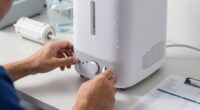
Built-in humidistat sensors often fall short of accurate humidity measurements because their sensors can drift or become affected by environmental factors like dust, drafts, and placement near heat sources. While they offer convenience, their precision varies and may require regular calibration or external checks with a hygrometer. To guarantee comfortable, healthy indoor humidity, it’s wise to verify your humidistat’s accuracy and explore ways to improve it—if you keep reading, you’ll find helpful tips for better performance.

Get home appliances delivered free with Prime
- Fast, free delivery on millions of items
- Prime Video, Amazon Music and more included
- Member-only deals all year
Key Takeaways
- Built-in humidistats often have variable accuracy due to sensor quality, placement, and environmental factors.
- Calibration drift over time can cause built-in sensors to become less reliable without regular recalibration.
- External hygrometers can help verify and improve the accuracy of built-in humidity readings.
- Proper sensor placement away from vents, heat sources, or drafts enhances built-in humidistat effectiveness.
- Regular maintenance and calibration are essential for trusting the built-in sensor’s humidity measurements.
digital hygrometer for indoor humidity
As an affiliate, we earn on qualifying purchases.
As an affiliate, we earn on qualifying purchases.
How Do Built-In Humidistats Measure Indoor Humidity?
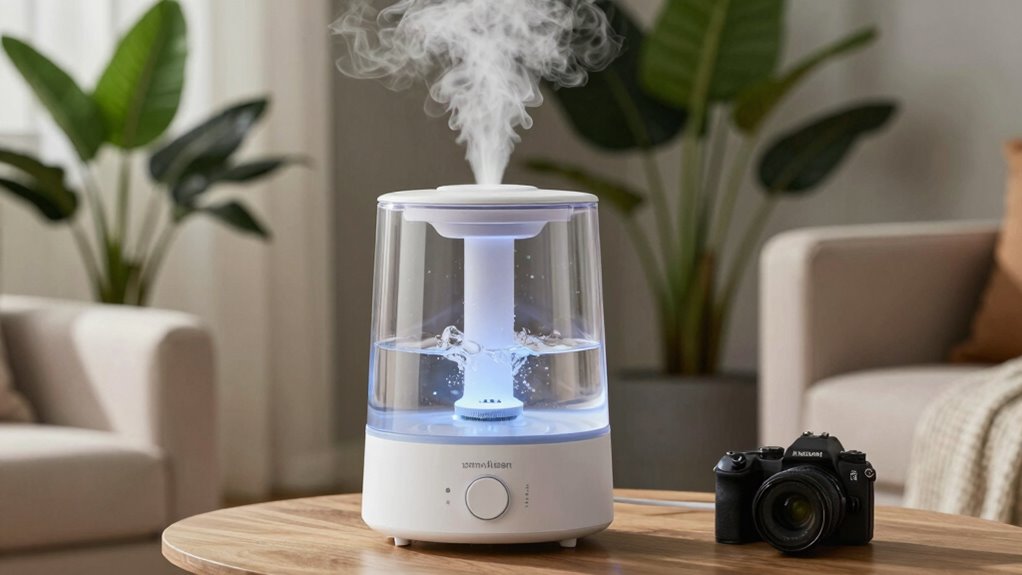
Built-in humidistats measure indoor humidity by using a sensor that detects the moisture level in the air. Proper sensor placement is essential; you should position the sensor away from direct water sources or vents to guarantee accurate readings. The sensor uses electrical resistance or capacitance to gauge humidity levels, translating moisture content into data your humidistat can interpret. Regular calibration techniques help keep readings precise, often involving comparison with a known accurate hygrometer. You may need to adjust the humidistat’s settings or perform calibration routines recommended by the manufacturer. Ensuring correct sensor placement and routine calibration allows your built-in humidistat to deliver reliable humidity measurements, helping you maintain a comfortable and healthy indoor environment. Additionally, understanding Free Floating concepts can enhance your ability to optimize indoor humidity control systems effectively, especially since sensor drift over time can impact accuracy. Environmental factors such as temperature fluctuations can also influence sensor readings, so accounting for these variables can improve overall performance. Awareness of sensor lifespan and proper maintenance can further ensure sustained accuracy of your humidistat readings.
As an affiliate, we earn on qualifying purchases.
What Factors Impact Your Humidistat’s Accuracy?

Several factors can influence your humidistat’s accuracy, making precise readings challenging if they’re not properly managed. One key factor is sensor placement; placing the sensor near heat sources, vents, or windows can cause false readings, leading to improper humidity levels. Additionally, device compatibility plays a role—if your humidistat isn’t designed for your specific environment or humidifier, it may not function accurately. Dust, dirt, and humidity buildup on the sensor can also impair its performance over time. Regular maintenance and correct placement are essential to guarantee reliable readings. Proper setup and upkeep are vital for trustworthy humidistat readings, especially since environmental conditions can fluctuate unexpectedly. Environmental conditions can also affect sensor accuracy, so monitoring the overall room environment is important for precise humidity control. Furthermore, sensor calibration can drift over time, so periodic calibration helps maintain accuracy. To ensure consistent performance, it’s advisable to periodically calibrate your humidistat and check for any signs of wear or damage. In addition, understanding the sensor technology used in your device can help you troubleshoot and optimize its accuracy over time.
As an affiliate, we earn on qualifying purchases.
How Accurate Are Built-In Humidistats Typically?
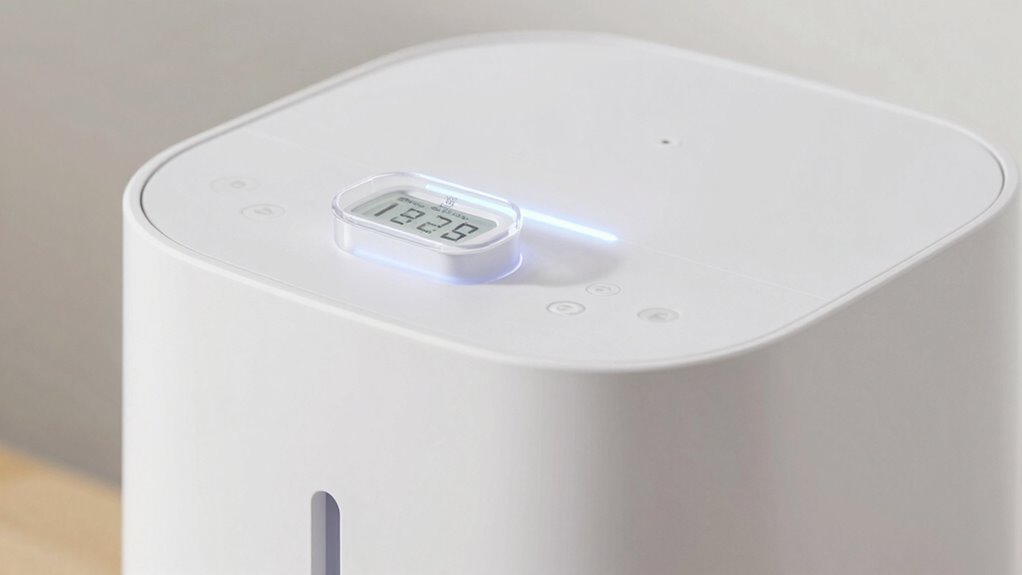
Built-in humidistats often vary in accuracy due to manufacturing differences and calibration challenges. Environmental factors like room temperature and airflow can also skew readings. As a result, you might find these sensors less reliable than you’d expect. Additionally, the content formats used in these devices can influence how well the sensor performs over time. The sensor technology itself may be susceptible to degradation, affecting long-term accuracy. Furthermore, the type of humidity sensor employed can significantly impact the sensor’s reliability and precision over extended periods.
Manufacturing Variability Concerns
How accurate are built-in humidistats from the manufacturer? Manufacturing variability can cause significant differences in sensor accuracy across units. Factors like sensor placement inside the humidifier affect readings, as some sensors may be near heat sources or airflow paths, leading to inconsistent humidity measurements. Manufacturing inconsistencies can result in:
- Variations in sensor sensitivity and calibration
- Differences in sensor placement within units
- Quality control issues affecting overall accuracy
These inconsistencies mean that two humidifiers of the same model might not perform equally. You might find your device over- or underestimating humidity levels because of these manufacturing differences. While some brands work hard to maintain standards, variability remains a challenge, making it essential to verify your humidistat’s accuracy regularly.
Sensor Calibration Challenges
Calibration issues present a considerable challenge for the accuracy of built-in humidistats because sensors often drift over time or before they’re properly calibrated during manufacturing. This sensor drift can cause readings to become unreliable, leading to improper humidity control. The calibration frequency varies by device, but many humidistats require periodic recalibration to maintain accuracy. Without regular adjustments, the sensor’s readings may deviate markedly from actual humidity levels.
| Calibration Frequency | Impact on Accuracy |
|---|---|
| Frequent | Maintains precise control |
| Infrequent | Increased drift, errors |
| Manufacturing | Initial baseline accuracy |
| Over time | Drift can accumulate |
Understanding these challenges helps you recognize why trusting built-in humidistats alone might be risky.
Environmental Influences Impact
Have you ever wondered how environmental factors affect the accuracy of your humidistat? Sensor placement and environmental fluctuations play significant roles. Poor sensor placement near heat sources, vents, or windows can skew readings, making your humidistat less reliable. Environmental fluctuations, like sudden temperature or humidity changes, can also cause your sensor to misjudge actual conditions. These influences mean built-in humidistats often struggle to maintain precise humidity levels. You might notice your device cycling on and off frequently or failing to reach your desired setting. To improve accuracy, ensure the sensor is positioned away from direct heat, drafts, or sunlight. Proper sensor calibration can also help mitigate some environmental impacts and improve overall reliability. Additionally, understanding Sensor placement best practices can significantly enhance measurement accuracy in various environments. Recognizing the impact of environmental fluctuations allows you to better manage your humidifier’s performance and maintain consistent humidity levels. Being aware of ambient conditions can further help in optimizing your humidifier’s operation for consistent comfort.
humidifier with external hygrometer compatibility
As an affiliate, we earn on qualifying purchases.
As an affiliate, we earn on qualifying purchases.
Signs Your Humidistat Is Giving Inaccurate Readings

If your humidistat is providing inaccurate readings, you may notice that your home’s humidity levels feel off despite adjusting the settings. One sign is sensor drift, where the sensor gradually becomes less reliable over time, causing false readings. You might find the humidifier running excessively or not enough, even when the environment seems consistent. Additionally, infrequent calibration can exacerbate inaccuracies, making the sensor’s data less trustworthy. If you’ve neglected to check or recalibrate your humidistat regularly, it’s likely giving skewed readings. Pay attention to discrepancies between the displayed humidity and how the air actually feels. These signs indicate that your humidistat’s sensor may be compromised or outdated, and it might be time to address calibration frequency or consider replacement. Ensuring your humidistat is functioning properly involves understanding sensor calibration and maintaining it regularly to achieve accurate humidity control.
How to Calibrate and Improve Your Humidistat’s Accuracy
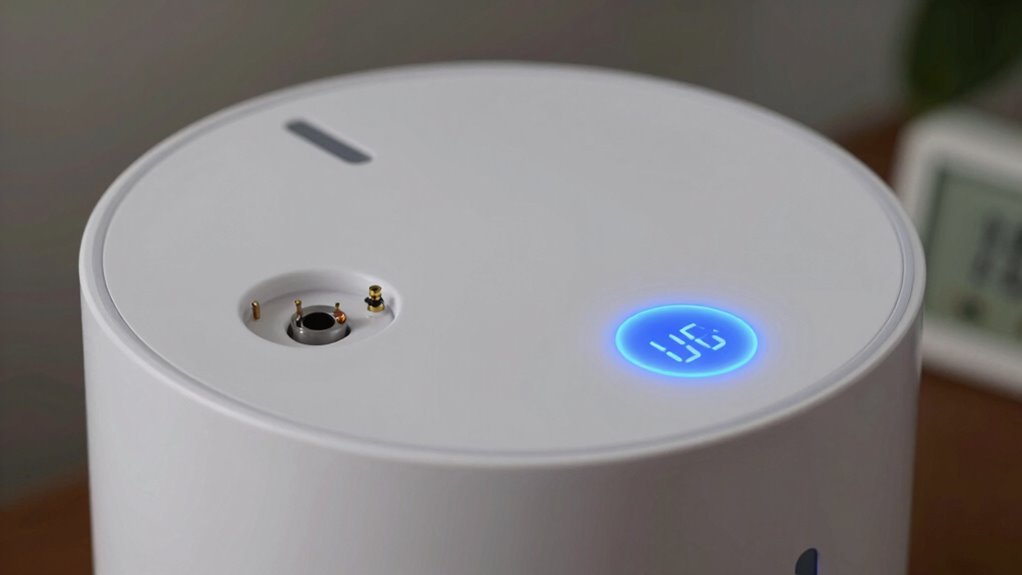
When you notice your humidistat’s readings seem off, taking steps to calibrate it can restore accuracy and make sure your home maintains proper humidity levels. To improve your humidistat’s performance, focus on ideal sensor placement—avoid areas near vents or direct sunlight, which can skew readings. Regular calibration is key; depending on usage, you might need to check it every few months. Here are some tips:
Calibrate your humidistat regularly and place it away from heat sources for accurate readings.
- Ensure the sensor is placed away from heat sources and drafts.
- Use a trusted hygrometer to compare actual humidity with your humidistat’s reading.
- Adjust the humidistat according to manufacturer instructions or seek professional calibration if needed.
- Understanding sensor calibration is essential for maintaining precise humidity control.
- Proper sensor placement can significantly enhance the accuracy of your humidistat’s readings.
Built-In Humidistats vs External Humidity Meters: Which Is Better?
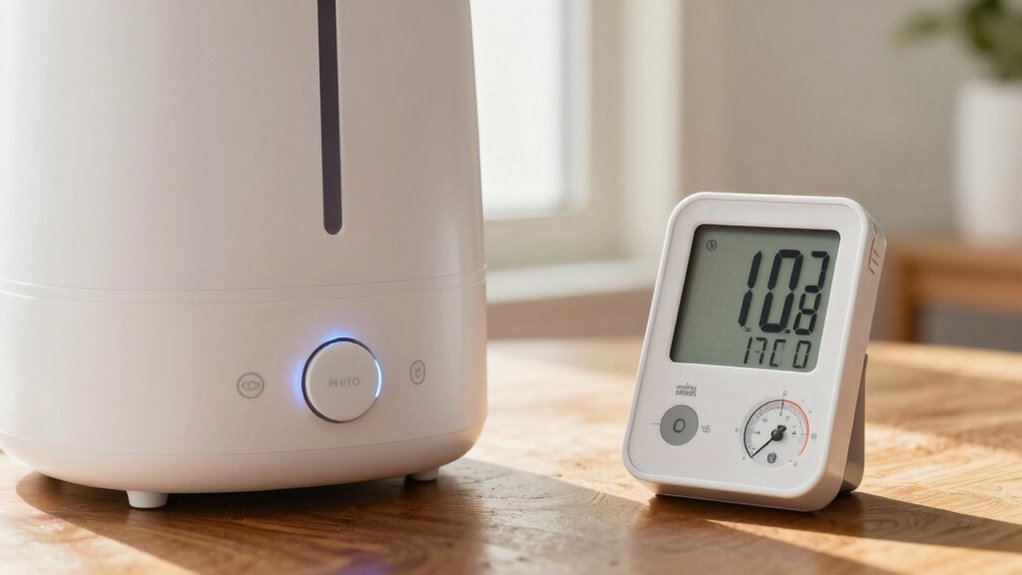
Built-in humidistats are convenient because they’re integrated into your humidifier or dehumidifier, providing real-time humidity control without extra equipment. However, their sensor accuracy can vary, affecting how well they maintain your desired humidity. Many built-in sensors rely on basic calibration methods, which may drift over time or under different conditions, leading to inaccurate readings. External humidity meters often offer higher precision and more reliable calibration options, making them better suited for critical environments. While built-in humidistats are simple to use, you might find that external tools provide more consistent and trustworthy measurements. Ultimately, if you need precise control, investing in an external humidity meter can help you verify and fine-tune your humidifier’s performance.
When Should You Use External Tools to Check Humidity?
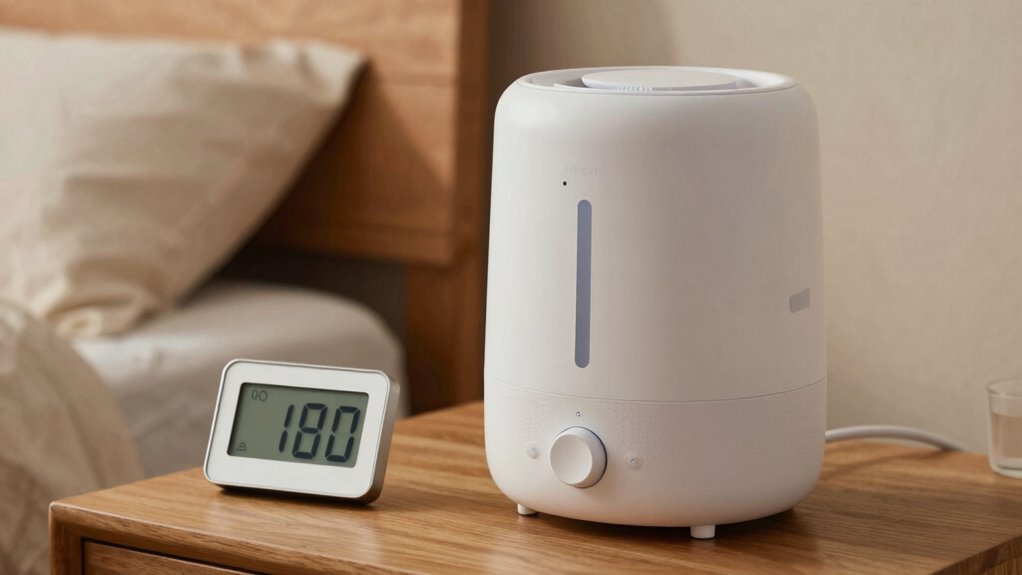
External tools become valuable when you suspect your humidifier’s built-in humidistat isn’t providing accurate readings. If you notice inconsistent humidity levels, it’s time to verify with an external hygrometer. Proper sensor placement is key—avoid placing the device near windows, vents, or direct sunlight, which can skew readings. Regular calibration frequency is essential; test your hygrometer every few months to ensure accuracy. Use an external tool when:
External hygrometers help verify humidity accuracy when built-in sensors seem off.
- You suspect the built-in sensor’s readings are off
- The humidity levels fluctuate unexpectedly
- You want to confirm the humidity in different areas of your home
- Halal cultural practices can influence how people approach home environment management, including humidity control
Using external tools helps you identify discrepancies, especially if your humidifier’s sensor placement isn’t ideal or if the built-in humidistat’s accuracy diminishes over time.
Tips to Keep Indoor Humidity Consistent and Healthy
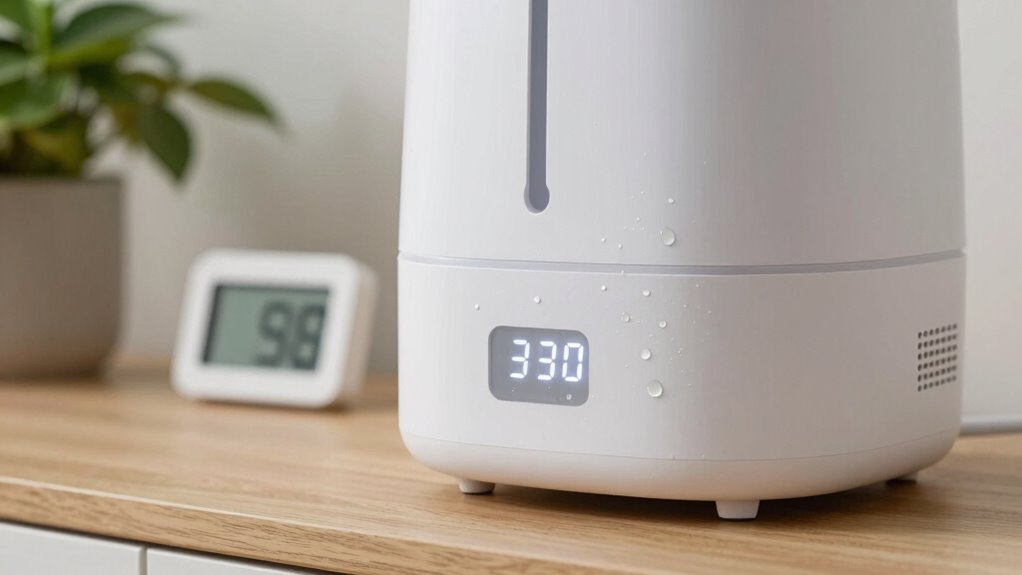
To maintain healthy indoor humidity, make sure you use a reliable hygrometer to monitor levels accurately. Regularly calibrate your devices to guarantee their readings stay precise over time. Keeping these tools in check helps you create a consistent and safe indoor environment.
Use a Reliable Hygrometer
A reliable hygrometer is essential for accurately monitoring indoor humidity levels. You need consistent readings to prevent mold growth or dryness. Focus on sensor reliability to guarantee accurate data, and use proper calibration techniques periodically to maintain precision.
To pick a good hygrometer, consider:
- Choosing models with proven sensor reliability
- Regularly verifying readings against a known humidity source
- Updating calibration techniques as needed for ongoing accuracy
Regularly Calibrate Devices
Regular calibration of your humidifier humidistat is essential for maintaining consistent and healthy indoor humidity levels. Proper sensor placement impacts accuracy, so position the sensor away from vents, windows, and direct sunlight. Calibration frequency depends on usage and sensor quality; check it at least once a year to ensure reliability. Use a reliable hygrometer as a reference and compare readings. If discrepancies arise, recalibrate your humidistat accordingly. Consistent calibration prevents over-humidification or dryness, promoting better indoor air quality. Keep a schedule to monitor and adjust humidity settings regularly. Below is a guide to help you maintain calibration:
| Calibration Step | Details |
|---|---|
| Sensor Placement | Avoid drafts, sunlight, and heat sources |
| Frequency of Calibration | At least once per year or if readings drift |
| Reference Device | Use a trusted hygrometer for comparison |
| Adjustment Method | Follow manufacturer instructions for recalibration |
Should You Upgrade to a More Precise Humidistat System?

Considering how important maintaining the right humidity levels is for comfort and health, upgrading to a more precise humidistat system can be a smart move. A better system improves sensor placement, ensuring readings are accurate and responsive. It also reduces the need for frequent maintenance routines, saving you time and effort. If your current humidistat consistently drifts or struggles with calibration, an upgrade might be worth it. Look for models with advanced sensors that provide consistent, reliable measurements. Enhanced accuracy helps prevent issues like mold or dry skin. Additionally, a more accurate humidistat can adapt better to changing conditions, maintaining ideal comfort. Think about your specific needs—if you’re sensitive to humidity swings or have health concerns, upgrading makes even more sense.
Frequently Asked Questions
How Often Should I Calibrate My Humidistat?
You should calibrate your humidistat at least once a year to guarantee sensor accuracy. Regular sensor maintenance helps prevent false readings and maintains ideal humidity levels. If you notice inconsistent performance or if your home’s humidity fluctuates unexpectedly, consider calibrating more frequently, such as every six months. Proper calibration and maintenance keep your humidifier functioning correctly, so you stay comfortable and avoid potential mold or dryness issues.
Can Temperature Fluctuations Affect Sensor Accuracy?
Temperature fluctuations can definitely affect sensor accuracy. When environmental interference occurs, it can cause sensor drift, making your humidistat less reliable. Rapid changes in temperature may lead the sensor to give false readings, so it’s important to monitor your environment and calibrate your humidistat regularly. Keeping the device away from direct heat or cold sources helps minimize these issues, ensuring a more precise humidity control.
Are Digital Humidistats More Reliable Than Analog Ones?
Digital humidistats are generally more reliable than analog ones because they often feature advanced sensor calibration, leading to better humidity accuracy. You can trust their readings more consistently, especially in fluctuating environments. Digital models usually include calibration options to fine-tune sensor performance, ensuring your humidifier maintains ideal humidity levels. However, regular calibration checks are still essential to keep the sensor functioning accurately over time.
What Is the Typical Lifespan of a Built-In Humidistat Sensor?
The typical lifespan of a built-in humidistat sensor is about 3 to 5 years, depending on usage and quality. You can generally trust its durability, but environmental factors like dust and humidity can affect accuracy over time. Regular maintenance and calibration help extend the sensor’s lifespan. Keep an eye on its performance, and consider replacing it if you notice inconsistent readings or reduced responsiveness.
Do Different Brands Have Varying Levels of Sensor Precision?
Yes, different brands do have varying levels of sensor precision. You should check their sensor calibration processes and compare brand consistency. Some brands invest more in high-quality sensors, ensuring better accuracy and reliability over time. By researching and reading reviews, you can identify brands that maintain consistent sensor calibration, giving you greater confidence in their humidistat’s accuracy. This helps ensure your humidifier functions effectively and maintains the desired humidity levels.
Conclusion
Ultimately, trusting your built-in humidistat depends on understanding its limits. While it often works well, inaccuracies can creep in, especially during key moments. Sometimes, a quick external check reveals more than you’d expect—reminding you that even the most trusted tools need occasional validation. By staying attentive and calibrated, you ensure a healthier, more comfortable environment. After all, the right humidity isn’t just a number; it’s a silent partner in your well-being.
NFL season / tailgating Picks
team gear
As an affiliate, we earn on qualifying purchases.