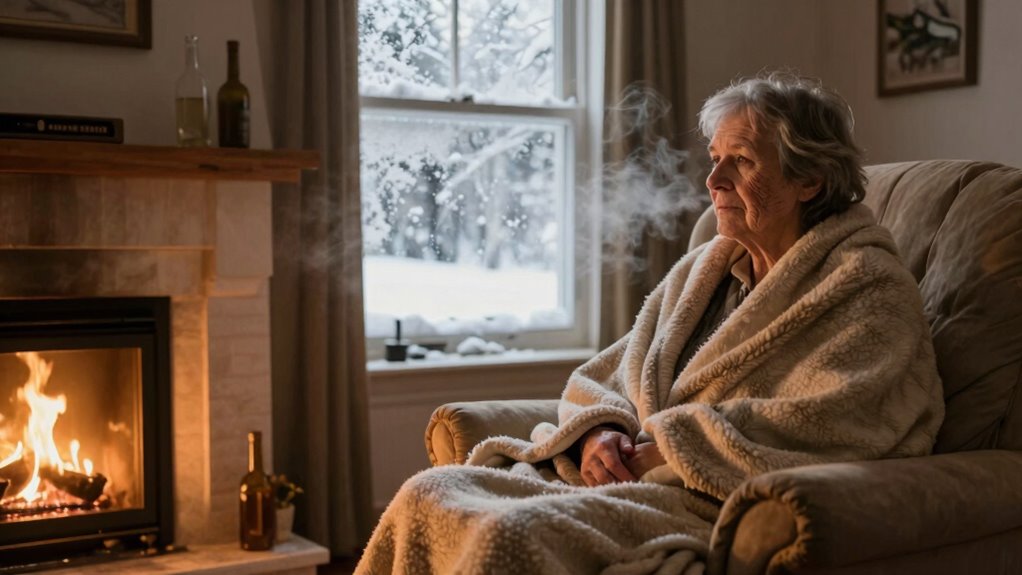

If you’re older, overheated rooms in winter can feel especially harsh because dry air damages your skin and respiratory tissues, making you more sensitive to discomfort. As the room heats up, humidity drops, leading to dehydration of your skin and mucous membranes. This causes irritation, cracked lips, and breathing difficulties. Maintaining proper humidity can ease these sensations, helping you breathe easier and feel more comfortable. Learn how managing indoor air can improve your comfort and health.

Get home appliances delivered free with Prime
- Fast, free delivery on millions of items
- Prime Video, Amazon Music and more included
- Member-only deals all year
Key Takeaways
- Overheated rooms decrease indoor humidity, worsening dryness and discomfort for older adults.
- Dry air weakens respiratory mucous membranes, making breathing more difficult and irritating for seniors.
- Skin dehydration from dry, overheated environments causes increased irritation and cracked lips in older adults.
- Reduced humidity impairs the body’s natural defenses, raising infection risk for vulnerable populations.
- Proper humidification and ventilation help alleviate harshness and support better comfort and health for seniors.
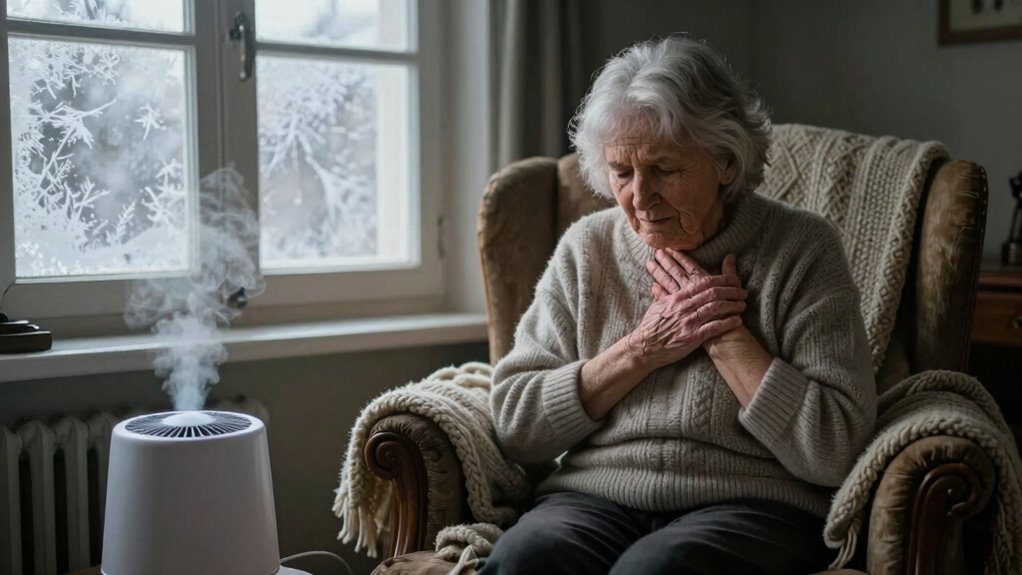
As winter’s dry air settles in, older adults often find their respiratory health worsens, leading to discomfort and increased vulnerability to illness. Overheated rooms only make this worse, intensifying the harshness of the environment you experience daily. When the air inside your home becomes too warm and dry, it strips moisture from your skin, causing dehydration that leaves your skin feeling tight, flaky, and irritated. This skin dehydration isn’t just about discomfort; it can also weaken your skin’s protective barrier, making you more prone to infections and irritations. Additionally, dry indoor air can dry out your nasal passages and throat, making breathing feel more laborious and your cough more persistent.
You might notice that your skin feels dull or itchy, and your lips crack more often, which are clear signs of dehydration. The dryness in your skin can lead to discomfort and even increase the risk of infections if the skin cracks open. The same dry air hampers your respiratory health by drying out mucous membranes lining your airways. When these membranes lose moisture, they become less effective at trapping dust, bacteria, and other irritants, leaving you more vulnerable to colds, respiratory infections, and winter illnesses. This can make breathing feel more strenuous, especially if you already have underlying conditions like asthma or COPD. Proper humidification can help maintain the natural moisture balance in your respiratory system, reducing these risks. Incorporating humidity control devices is especially important because they can help sustain optimal moisture levels and improve overall indoor air quality.
Heated indoor environments tend to feel especially harsh because they eliminate the humidity levels that your body needs to stay comfortable. The sensation of harshness isn’t just about temperature; it’s about how the dry air interacts with your body. It pulls moisture from your skin and mucous membranes, leading to that uncomfortable, parched feeling. When you notice your skin feeling tight or your nose constantly dry, it’s a sign that you need to take action. Using a humidifier can help restore some moisture to the air, making it gentler on your skin and respiratory passages. Also, drinking plenty of water throughout the day keeps your skin hydrated from within and supports your respiratory health.
Maintaining proper indoor air quality through humidity control can significantly help reduce the harshness of dry winter air. The air quality in your home affects how your body reacts to the environment and can influence your overall health during winter months. Proper ventilation and moisture management are crucial for creating a healthier indoor environment. Avoid overheating your rooms, as higher temperatures tend to lower humidity further and intensify the harshness of the dry air. Remember, maintaining adequate moisture in your environment isn’t just about comfort; it’s about protecting your skin and respiratory health during the cold winter months. Taking these simple steps can help you breathe easier, feel more comfortable, and reduce the harsh effects of dry winter air on your body.
Products Worth Considering

Levoit Core 600S-P Smart Air Purifier for Large Rooms

Levoit Core 300S-P Smart WiFi Air Purifier

Sonos One (Gen 2) Two-Room Set Smart Speakers with Amazon Alexa, 2-Pack, Black
As an affiliate, we earn on qualifying purchases.
Frequently Asked Questions
How Does Dry Air Specifically Affect Older Adults’ Respiratory Health?
Dry air makes it harder for you to breathe comfortably by irritating your respiratory passages and causing dryness or inflammation. As an older adult, this can worsen existing conditions like asthma or COPD. Using humidifiers benefits your respiratory comfort by adding moisture to the air, reducing irritation, and easing breathing. This simple step helps protect your lungs and makes winter air less harsh on your respiratory health.
Are There Natural Remedies to Combat Dry Indoor Air for Seniors?
You can try natural remedies like herbal humidifiers and aromatherapy diffusers to combat dry indoor air. Herbal humidifiers add moisture while releasing soothing plant extracts, helping keep your skin and respiratory passages comfortable. Aromatherapy diffusers disperse calming essential oils, improving air quality and relaxation. These options are gentle, safe, and effective ways for seniors to maintain better indoor humidity and reduce dryness without synthetic solutions.
What Are the Signs of Dehydration Caused by Dry Winter Air?
Think of your body as a delicate garden, wilting without enough water. Dehydration symptoms in winter include dry mouth, dark urine, dizziness, and fatigue—signals that your body’s thirst awareness is fading like a dying flower. You might feel thirstless even when you need hydration, so keep an eye out for these signs. Staying vigilant helps prevent dehydration’s silent grip, ensuring your body’s garden remains vibrant and healthy.
Can Heated Rooms Worsen Skin Conditions in Older Adults?
Heated rooms can worsen skin conditions in older adults because low humidity levels dry out your skin, reducing hydration. When humidity drops, your skin struggles to stay moist, leading to irritation, itchiness, or redness. By maintaining proper humidity levels, you help improve skin hydration, which can lessen discomfort and support healthier skin. So, keeping humidity balanced in overheated rooms is key to protecting your skin during winter.
How Can Caregivers Improve Air Quality in Elderly Living Spaces?
You can improve air quality in elderly living spaces by using air purifiers to remove dust, allergens, and pollutants. Additionally, incorporating a humidifier provides humidity benefits, easing dry skin and respiratory issues caused by winter air. Regularly cleaning these devices guarantees peak performance. By maintaining clean air and proper humidity, you create a healthier, more comfortable environment that reduces discomfort and supports overall well-being for older adults.
Conclusion
As winter’s chill wraps your home in a silent, icy blanket, remember that your skin and lungs are delicate trees shedding their leaves in a storm. Overheated rooms can feel like a blazing sun scorching your senses, making every breath a harsh gust. By balancing warmth and moisture, you can turn your space into a cozy oasis, where the air is gentle as a whisper and your comfort blooms like spring after winter’s frost.