As a home baker, you expose yourself to heat, moisture, and tiny particles that quickly build up in your space. Oven emissions and flour dust can linger in the air, especially in poorly ventilated kitchens, affecting your health and baking results. Regularly improving airflow, using filters, and keeping surfaces clean help reduce pollution. If you want to keep your air fresh and your baking safe, you’ll find tips below to manage these common issues effectively.
Key Takeaways
- Baking releases tiny particles and gases that can accumulate indoors, affecting air quality and respiratory health.
- Flour dust becomes airborne during handling, posing allergy and asthma risks.
- Heat and moisture from baking increase airborne particles and steam, worsening indoor air quality.
- Proper ventilation and air filtration are essential to reduce airborne contaminants during baking.
- Regular cleaning and protective gear help minimize dust buildup and improve overall indoor air safety.

Have you ever wondered how the air quality in your home affects your baking experience? When you spend time in your kitchen, especially during baking sessions, the air isn’t just a silent backdrop—it actively influences how well your baked goods turn out and how comfortable you feel while baking. One thing often overlooked is the presence of oven emissions and flour dust, both of which can quickly degrade your indoor air quality. Oven emissions, which include tiny particles and gases released during baking, can linger in the air, especially when you’re roasting or baking at high temperatures. These emissions aren’t just invisible nuisances—they can impact your respiratory health and leave a lingering smell that’s hard to get rid of. The more you bake, the more these emissions accumulate, creating an environment that’s less than ideal for your health and your baking results.
Indoor oven emissions and flour dust can harm your health and affect your baking quality.
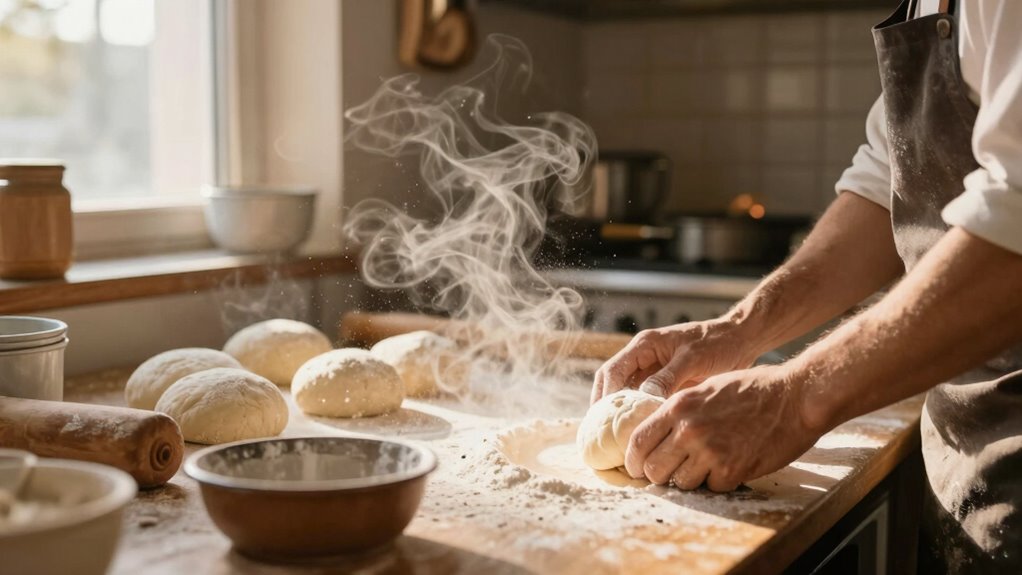
Flour dust is another critical factor that you need to keep in mind. When you’re measuring, sifting, or pouring flour, you create fine particles that become airborne. These tiny flour particles are light enough to float around your kitchen, settling on surfaces and getting inhaled into your lungs. Consistently breathing in flour dust can cause allergic reactions, respiratory irritation, or even exacerbate asthma symptoms over time. Plus, the dust can settle on your counters, utensils, and even in your appliances, making cleanup more difficult and potentially affecting the taste and texture of your baked goods. Heat and moisture in your kitchen also contribute to the buildup of fine particles and airborne pollutants. As you heat your oven, the moisture released from ingredients and the steam generated can carry tiny particles through the air. These particles don’t just settle immediately—they can stay suspended for a long time if your kitchen isn’t well-ventilated. When you combine this with oven emissions and flour dust, you create a mixture that can quickly fill your space with airborne contaminants. This buildup makes it harder to maintain good air quality, especially if you’re baking frequently or in a small, enclosed kitchen without proper ventilation. Additionally, indoor air quality can be significantly affected by everyday activities, emphasizing the importance of proper ventilation and air purification measures in your baking space. Improving ventilation and using air filtration systems can significantly help in reducing these airborne particles and maintaining a healthier environment. Enhancing airflow can also help regulate humidity levels, which can further aid in maintaining a healthier environment. Moreover, managing humidity effectively can prevent the growth of mold and mildew, which are also concerns for indoor air quality. To protect your health and improve your baking environment, it’s essential to manage these elements. Use a good range hood or exhaust fan when baking, and consider air purifiers with HEPA filters to trap fine particles. Wearing a mask when sifting flour can reduce inhalation of dust, and regular cleaning helps minimize settled dust and residues. Being aware of how oven emissions and flour dust add up in your indoor air allows you to take proactive steps, making your baking sessions safer and more enjoyable.

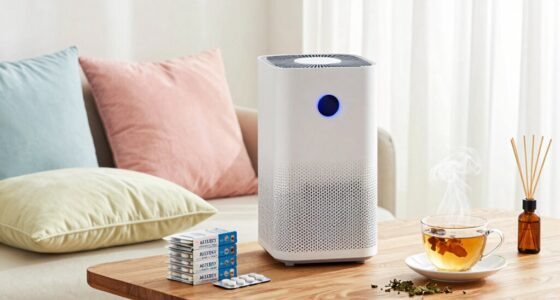
Air Purifiers for Home with High Efficiency Filter Up to 1076 Ft² for Pet Hair, Odors, Pollen, Smoke, Compact Air Cleaner with 3 Speeds, Timer, Aroma Quiet 360°Intake Filter, White
Effortless Operation: Simplified control panel with intuitive design makes it easy to operate. No complicated setup—just one tap,…
As an affiliate, we earn on qualifying purchases.
As an affiliate, we earn on qualifying purchases.
Frequently Asked Questions
How Can I Measure Indoor Air Quality Effectively at Home?
You can measure indoor air quality effectively by investing in air quality monitors that track pollutants, humidity, and particulate levels. Use ventilation strategies like exhaust fans or open windows to improve air flow, especially during baking. Regularly check your monitors to identify any spikes in particles or humidity. This proactive approach helps you maintain a healthier environment, reduces indoor pollutants, and keeps your baking space safe and comfortable.
Are There Specific Air Purifiers Recommended for Baking Environments?
Yes, for baking environments, look for air purifiers with HEPA filters and activated carbon. HEPA filters effectively trap fine particles like flour dust and smoke, improving air cleanliness. Activated carbon absorbs odors and VOCs from baking ingredients and fumes. Choose a purifier with a high CADR (Clean Air Delivery Rate) for better performance, and guarantee it covers your room size. Regular filter changes keep the purifier working efficiently.
What Natural Methods Can Improve Air Quality During Baking?
You can transform your baking space into a breath of fresh air with natural ventilation—just open windows wide, letting the breeze sweep away fumes and moisture. Combine this with herbal air purifiers, like dried lavender or eucalyptus, to naturally absorb odors and fine particles. These simple, powerful methods create a healthier environment, making your baking experience not just delicious, but also revitalizing clean and invigorating every time.
How Often Should I Replace Air Filters in My Kitchen?
You should replace your kitchen air filter every 1 to 3 months, depending on filter lifespan and your air quality monitoring results. Regularly check the filter for dirt and debris, especially if you bake often, which can increase particle buildup. Using air quality monitors helps you determine when replacement is needed, ensuring ideal air quality. Consistent filter changes keep your kitchen healthier and reduce baking-related odors and pollutants.
Can Baking Fumes Cause Long-Term Health Issues?
Baking fumes can impact your long-term health if inhaled frequently and in poorly ventilated spaces. Over time, exposure to fumes from burnt or burnt-on food, flour dust, and other particles may contribute to respiratory issues or allergies. To protect yourself, guarantee good ventilation, use exhaust fans, and take breaks from prolonged baking sessions. Regularly cleaning your kitchen also helps minimize the buildup of harmful fumes and particles, reducing health risks.

Stove Hood Vent Filter 10.5" x 8.8" 41F 97007696 Fit's Nutone & Broan Range Hood Filter Replacement for Ductless Exhaust Fan – Mesh Screen Filters Grease & Carbon Freshens Kitchen Oven Air (2-Pack)
GREASE CHARCOAL FILTER COMBO: This charcoal grease filter combo will protect your hood from grease while at the…
As an affiliate, we earn on qualifying purchases.
As an affiliate, we earn on qualifying purchases.
Conclusion
As a home baker, you might not realize how quickly heat, moisture, and fine particles can build up in your space. Did you know that indoor air quality can be up to five times worse than outdoor air? Paying attention to ventilation and cleaning can make a big difference. Staying aware of these factors helps keep your baking environment safe and comfortable, so you can enjoy your passion without compromising your health.
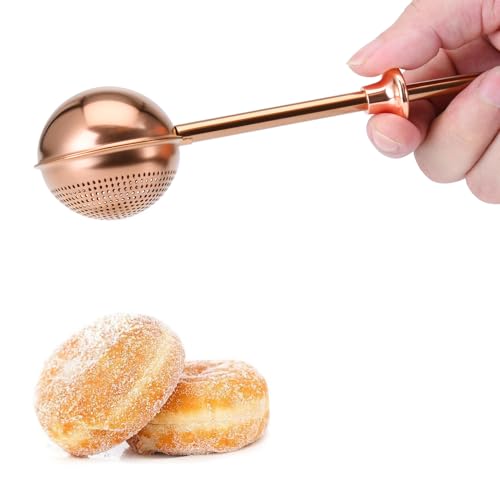
HULISEN Flour Duster for Baking, One-Handed Operation, 304 Stainless Steel Powdered Sugar Shaker Duster, Pick Up and Dust Flour Sifter, Gift Package, Brown
Bakers Dusting Wand: Great for dusting cocoa powder or powdered sugar on desserts, and for dusting flour on…
As an affiliate, we earn on qualifying purchases.
As an affiliate, we earn on qualifying purchases.

BREETEE Portable Range Hood Kitchen–5-Layer Filter Compact Desktop Exhaust Fan, Powerful 3-Speed Smoke Removal, Low Noise Countertop Range Hood, Oil Cup, for Apartments, Dorm, RV, Indoor BBQ–Off-white
PORTABLE RANGE HOOD FOR SMALL SPACES: Breetee countertop range hood helps reduce smoke, odors, and grease in kitchens,…
As an affiliate, we earn on qualifying purchases.
As an affiliate, we earn on qualifying purchases.