A fresh laundry smell indoors isn’t always a sign of cleanliness; it can hide issues like mold, which produces a musty scent, or chemical odors from air fresheners and cleaning products. These scents may mask underlying problems and pose health risks. If you notice an artificial or persistent smell, it’s wise to investigate further. Staying aware of scent clues can help you identify hidden hazards and create a healthier living space—there’s more to uncover if you keep exploring.
Key Takeaways
- A fresh laundry scent can hide mold, mildew, or chemical pollutants, indicating underlying indoor health hazards.
- Musty, damp odors often mimic freshness but signal mold growth in hidden or poorly ventilated areas.
- Artificial fragrances from air fresheners or cleaning products may mask indoor pollutants harmful to health.
- Persistent scents combined with moisture suggest poor ventilation and potential mold or chemical buildup.
- A clean-smelling environment doesn’t guarantee it is free from mold, chemicals, or other indoor pollutants.

Have you ever noticed that crisp, clean laundry smell lingering in your home, only to realize it might not be a sign of freshness? That fresh scent you associate with cleanliness could be masking underlying issues. Sometimes, what seems like a clean environment is actually hiding mold growth or chemical odors that can impact your health. It’s easy to mistake a pleasing scent for genuine cleanliness, but paying close attention can reveal warning signs that need your attention.
If your home smells like fresh laundry even when you haven’t recently washed clothes, it could be a sign of mold lurking in hidden areas. Mold growth often produces a musty, damp smell that can easily be mistaken for freshness. This is especially common in places with high humidity or poor ventilation, such as bathrooms, basements, or behind walls. The scent might seem like a clean laundry smell because mold releases spores and volatile organic compounds (VOCs) that can mimic fresh scents. Ignoring these signs can lead to health problems, especially if mold spores become airborne and are inhaled over time.
Chemical odors can also contribute to the deceptive fresh laundry smell. Many air fresheners, scented candles, and cleaning products contain VOCs that create a pleasant aroma but can be harmful. When these chemicals dominate your indoor air, they can produce a scent similar to freshly laundered bedding or towels, yet they’re actually masking more serious indoor pollutants. Overuse of strong fragrances can lead to respiratory irritation, headaches, or allergic reactions, especially in sensitive individuals. If the scent seems too intense or persists even after airing out your home, it’s worth investigating the source.
In some cases, the smell of fresh laundry indoors isn’t just about chemicals or mold, but a combination of both. You might notice a subtle, persistent scent that’s not quite natural. This could be a sign that your home’s ventilation isn’t sufficient or that moisture levels are too high, creating an environment conducive to mold growth. It’s essential to identify whether the scent is coming from actual cleanliness or if it’s being artificially created by products or damp conditions.
To keep your home truly clean and free of hidden hazards, check for signs of mold and reduce the use of chemical air fresheners. Use dehumidifiers and improve ventilation to prevent mold from developing. Regularly inspect hidden areas, like behind furniture or under sinks, for dampness or discoloration. By understanding that a fresh laundry smell isn’t always a good sign, you can take proactive steps to ensure your indoor environment is genuinely healthy and safe.

BREATHE Airmonitor Plus Indoor Air Quality Monitor with CO₂, PM & App
- Professional Indoor Air Monitoring: Tracks CO2, PM, VOC, Formaldehyde, Temp, Humidity
- Multi-Sensor Accuracy: Combines particle and gas detection for detailed insights
- Identify Air Quality Impacts: Detects effects of cooking, cleaning, HVAC, and occupancy
As an affiliate, we earn on qualifying purchases.
As an affiliate, we earn on qualifying purchases.
Frequently Asked Questions
Can a Fresh Laundry Smell Indicate Hidden Mold Growth?
A fresh laundry smell can sometimes indicate hidden mold growth, especially if it persists despite proper washing. Mold detection becomes tricky because the scent might mask underlying issues caused by hidden moisture. If you notice the smell lingers or appears in areas prone to dampness, it’s wise to investigate further. Addressing hidden moisture and using mold detection tools can help you identify and eliminate mold before it causes health issues.
Is It Safe to Use Air Fresheners to Eliminate Indoor Laundry Smells?
Using air fresheners to eliminate indoor laundry smells isn’t always safe. They often contain chemicals that can cause irritation or trigger allergies, especially if you’re exposed regularly. Instead, improve air circulation by opening windows or using fans to naturally ventilate your space. This approach helps remove odors without risking chemical exposure, keeping your indoor environment healthier and fresher without relying on potentially harmful fragrances.
What Household Items Can Cause a Persistent Fresh Laundry Scent?
You might notice a persistent fresh laundry scent caused by detergent residues or fabric softener buildup. These substances can cling to clothes, towels, or bedding, releasing a continuous fresh smell even when the items aren’t recently washed. Over time, buildup can become stubborn, making your indoor environment seem constantly fresh. Regularly rinsing laundry with extra water or using less product can help eliminate this lingering scent and improve air quality.
How Often Should I Wash My Laundry to Prevent Bad Indoor Odors?
Think of your laundry as your home’s breath—keep it fresh by washing clothes every 3-4 days. This prevents detergent residue and fabric softener buildup from turning your space into a musty cave. Regular washing keeps odors at bay and preserves your fabrics’ integrity. Skipping laundry can cause smells to linger, so stay consistent to maintain a clean, inviting atmosphere that feels as fresh as a spring breeze.
Can Pets Contribute to a False Sense of Clean Laundry Smell Indoors?
Pets can definitely contribute to a false sense of clean laundry smell indoors. Pet dander and odors can cling to clothes, masking any real odors and making your laundry seem fresher than it is. You might think your laundry smells clean, but odor masking by pet smells can hide underlying issues. Regular washing with pet-friendly detergent and good ventilation help reduce pet-related odors, ensuring your laundry truly smells fresh.
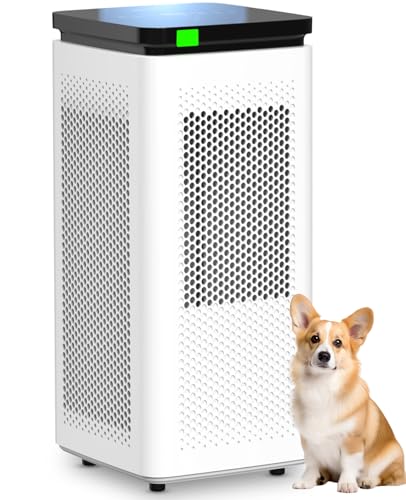
Hepa Air Purifiers for Home up to 3500 Ft², 235 CADR, 30dB Quiet Operation
- HEPA and Carbon Filter: Removes odors, smoke, dust, pollen, pet dander
- High CADR and Dual Airflow: Cleans 500 sq.ft in 15 mins, covers 3500 ft²
- Quiet Sleep Mode: Operates at 30dB with adjustable brightness
As an affiliate, we earn on qualifying purchases.
As an affiliate, we earn on qualifying purchases.
Conclusion
So, next time you catch that “fresh laundry” scent lingering indoors, don’t just assume everything’s spotless. It could be a sign of mold or bacteria lurking nearby, especially if the smell persists. Sometimes, what seems like cleanliness is actually hiding a hidden problem. Trust your nose—if it smells off, take a closer look. Staying vigilant helps you keep your home safe and fresh, without falling for false signals of cleanliness.
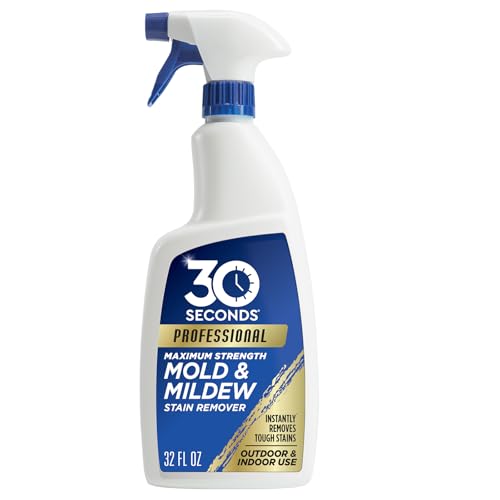
30 SECONDS Pro Mold & Mildew Stain Remover, Scrub-Free Formula, 32 Oz
- Versatile Use Areas: Suitable for bathrooms, decks, and more
- No Scrubbing Needed: Removes stains without scrubbing effort
- Powerful Formula: Twice as strong as outdoor cleaner
As an affiliate, we earn on qualifying purchases.
As an affiliate, we earn on qualifying purchases.

TempPro TP50 Digital Hygrometer Indoor Thermometer Room Thermometer
- Wellness Indicator: Displays air condition levels
- High Accuracy & Fast Updates: Measures with ±2-3%RH and ±1°F, updates every 10 seconds
- Record Tracking: Displays high and low temperature and humidity
As an affiliate, we earn on qualifying purchases.
As an affiliate, we earn on qualifying purchases.