
Pollen on your clothing constantly reintroduces allergens into your home, bypassing air filters that can’t capture every tiny particle. When you bring outdoor clothes inside, pollen settles on furniture, carpets, and surfaces, making it harder for filtration systems to do their job. Wearing outdoor gear indoors or failing to change clothes limits your efforts, leaving pollen lurking and reducing the effectiveness of your entire indoor air strategy. Keep going to discover how to better prevent this.

Get home appliances delivered free with Prime
- Fast, free delivery on millions of items
- Prime Video, Amazon Music and more included
- Member-only deals all year
Key Takeaways
- Pollen on clothing can settle on surfaces, creating continuous allergen sources beyond air filtration capabilities.
- Indoor pollen levels remain high if contaminated clothing isn’t regularly washed or removed.
- Air purifiers cannot remove pollen already deposited on furniture, carpets, and other surfaces.
- Wearing outdoor clothing indoors introduces additional pollen, undermining filtration efforts.
- Relying solely on air filtration ignores the primary pathway of pollen entry via clothing and surfaces.
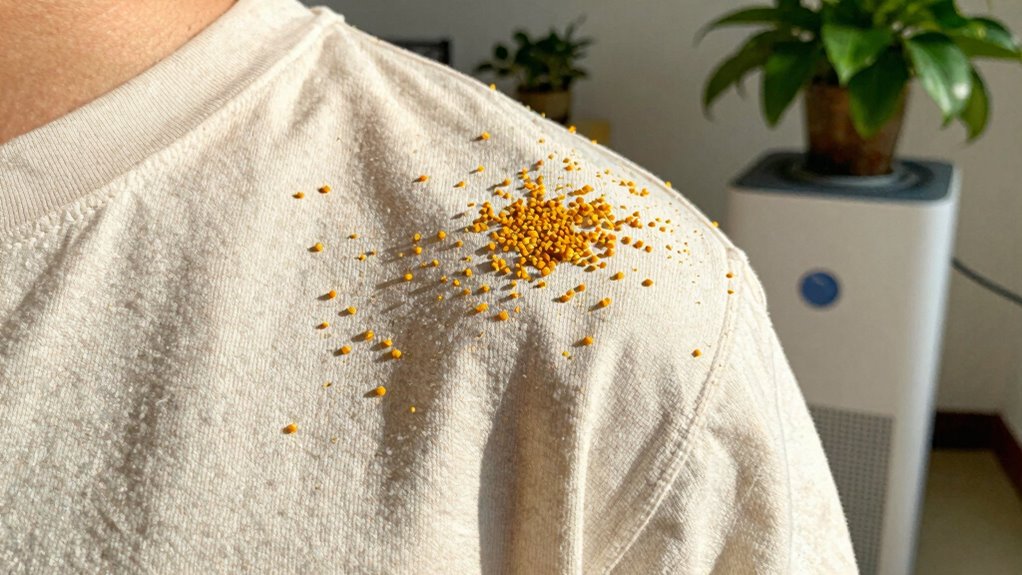
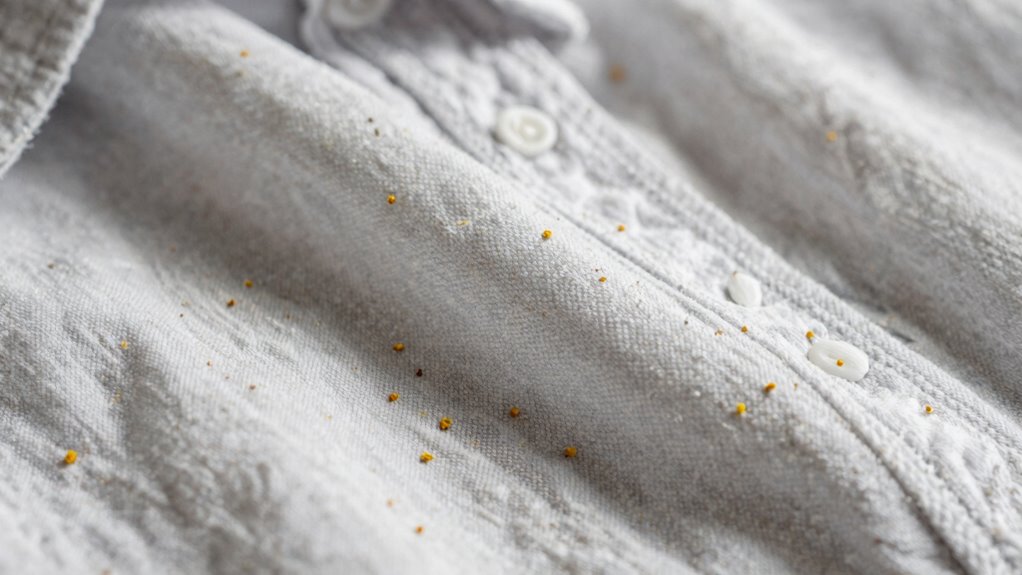
As pollen season peaks, many of us unknowingly carry pollen into our homes on clothing, which can worsen indoor air quality and trigger allergies. No matter how diligent you are with air filtration systems or air purifiers, pollen on your clothes can bypass these defenses and compromise your indoor environment. This sneaky pollen load can settle on furniture, carpets, and other surfaces, creating a persistent allergen source that standard air filters might not fully eliminate.
Your clothing hygiene habits play an indispensable role here. If you don’t change clothes immediately after outdoor activities or neglect to wash them regularly, you’re fundamentally transporting pollen indoors. Wearing outdoor gear inside or skipping laundry can allow pollen particles to cling to fabric fibers and remain airborne or settle on surfaces. This continuous cycle makes it nearly impossible for air filtration alone to maintain clean indoor air, especially if pollen keeps being introduced through clothing. Additionally, pollen transfer can occur through direct contact with contaminated surfaces, further complicating efforts to keep indoor air pure. Research shows that clothing contamination is a significant pathway for pollen entry, emphasizing the importance of proper clothing hygiene. Implementing effective cleaning routines can significantly reduce pollen buildup on clothing and surfaces.
Proper clothing hygiene is key to reducing indoor pollen and allergy triggers.
While high-quality air filtration systems can trap many airborne particles, they aren’t foolproof when pollen is constantly brought inside via clothing. Pollen particles are often small enough to slip through some filters, or they can settle quickly on surfaces, leading to lingering allergens that air purifiers alone can’t remove effectively. This is why clothing hygiene becomes equally significant. Washing clothes regularly, especially after outdoor exposure, reduces pollen’s presence and lessens the load on your air filtration system.
In addition, taking proactive steps like removing outdoor shoes at the door, using sealed storage for outdoor clothing, and vacuuming with HEPA filters can help manage indoor pollen levels. These measures prevent pollen from accumulating on surfaces and reduce the chances of it becoming airborne again. Remember, limiting the source of pollen entry through clothing is often more effective than relying solely on indoor air strategies. Recognizing the pollen transfer process is crucial to developing a comprehensive indoor air strategy that truly works.
Ultimately, your indoor air quality depends on a combination of good practices. Air filtration is an integral tool, but it works best when complemented by diligent clothing hygiene and surface cleaning routines. If you ignore the role of clothing in pollen transfer, you could find yourself fighting a losing battle against allergens, despite having the latest filtration technology in place. Being mindful of how pollen gets inside—and taking steps to minimize its entry—ensures your indoor environment remains as allergen-free as possible during peak pollen season. Proper clothing hygiene and surface cleaning routines are essential for reducing indoor pollen levels and maintaining healthy air quality.
Products Worth Considering

Blueair Blue Pure 511i Max Smart Air Purifier

Levoit Core 400S-P Smart Air Purifier for Large Rooms

LEVOIT Vital 200S-P Smart Air Purifier for Large Rooms
As an affiliate, we earn on qualifying purchases.
Frequently Asked Questions
How Long Does Pollen Stay on Clothing Indoors?
Pollen can stay on your clothing indoors for several hours to days, depending on factors like humidity and temperature. When you transfer pollen onto clothing fibers, it may cling tightly, making it easy to reintroduce pollen into your indoor environment. Regularly washing your clothes helps remove pollen residues, preventing ongoing pollen transfer. Being mindful of outdoor exposure and laundering habits can considerably reduce pollen lingering on your clothing indoors.
Can Pollen on Clothing Cause Long-Term Allergies?
Coincidentally, pollen on your clothing can indeed cause long-term allergies. If you have a pollen allergy or fabric sensitivity, lingering pollen particles may trigger symptoms over time. Continuous exposure through clothing can sensitize your immune system, leading to persistent allergic reactions. Even small amounts of pollen on fabric can contribute to ongoing discomfort, especially if you don’t wash your clothes regularly. Staying vigilant helps prevent long-term allergy development.
What’s the Best Way to Remove Pollen From Clothing?
To effectively remove pollen from clothing, you should start with a thorough shake outdoors to loosen the pollen. Then, wash your clothes in hot water with a strong detergent, as heat helps break down pollen’s structure. Be mindful of fabric susceptibility; delicate fabrics may require gentle cycles. Consider adding a fabric softener or vinegar during wash to enhance pollen removal, ensuring your clothes are thoroughly clean and pollen-free.
Does Pollen Affect Air Quality Differently Indoors Versus Outdoors?
Pollen dispersal indoors is practically a sneaky ninja, making your indoor air quality worse than outside. While outdoor air filtration struggles against the pollen barrage, indoor spaces often trap pollen on clothing, letting it linger and sabotage your air strategies. So yes, pollen affects indoor air quality differently—by sneaking in on you and your clothes, requiring smarter filtration solutions to keep your air truly clean.
Are Certain Fabrics More Prone to Pollen Accumulation?
Certain fabric types, like cotton and wool, have a higher pollen affinity and are more prone to pollen accumulation. These porous materials trap pollen particles more easily than synthetic fabrics such as polyester or nylon, which resist pollen buildup. If you wear or store clothing made from high pollen affinity fabrics, you increase the risk of pollen transfer indoors, undermining your indoor air strategy and potentially worsening allergy symptoms.
Conclusion
Remember, pollen hitching a ride on your clothes can sabotage your entire indoor air strategy—it’s like inviting a wildfire into your home. No matter how diligent you are with air purifiers or filters, a single pollen-laden outfit can undo all your efforts. Stay vigilant: change clothes after outdoor exposure, wash thoroughly, and minimize pollen entry. Otherwise, you risk turning your sanctuary into a pollen battleground, leaving your indoor air strategy fighting an uphill, almost impossible battle.