
TL;DR
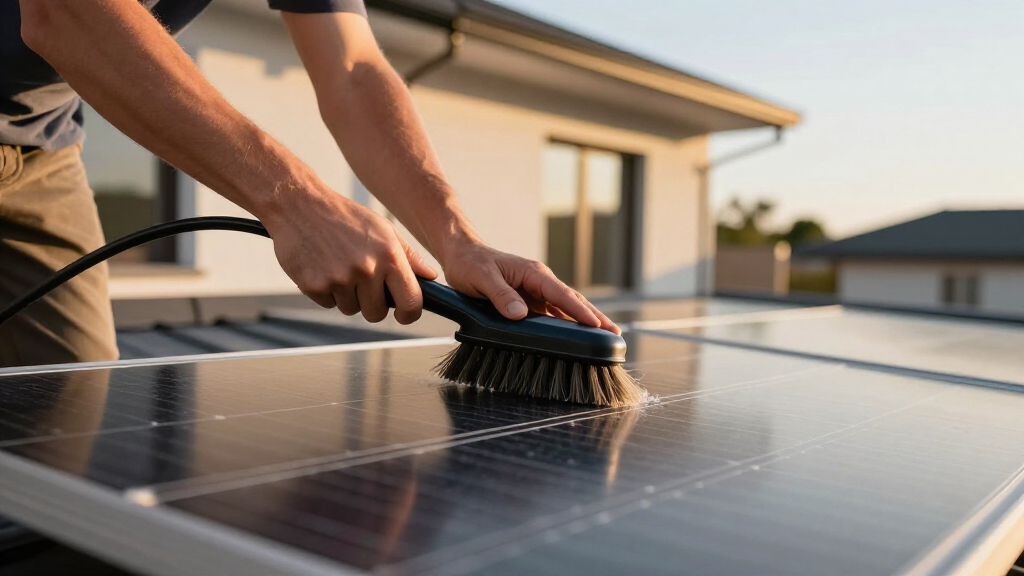
There is no clear consensus on whether homeowners should regularly wash their solar panels. Experts suggest that cleaning may improve efficiency in some cases, but routine washing is not always necessary. The decision depends on local conditions and panel performance.
There is no definitive answer yet on whether homeowners should routinely wash their solar panels, but experts agree that cleaning can sometimes improve energy output. This ongoing debate matters as more households adopt solar energy and seek optimal performance from their systems.

Get home appliances delivered free with Prime
- Fast, free delivery on millions of items
- Prime Video, Amazon Music and more included
- Member-only deals all year
Why Homeowners Need Clear Guidance on Panel Maintenance
Understanding whether to wash solar panels is crucial for maximizing energy efficiency and cost-effectiveness. Informed maintenance can extend panel lifespan, reduce energy bills, and optimize return on investment. Conversely, unnecessary cleaning may incur costs or cause damage, so clarity from experts and manufacturers is essential for consumers making maintenance decisions.
Products Worth Considering

Philips Hue Smart Light Starter Kit with Bridge and 4 White and Color A19 Bulbs

Ring Alarm 14-Piece Kit

Hisense 43-Inch E6 Cinema Series Hi-QLED 4K UHD Smart Fire TV (43E6QF)
As an affiliate, we earn on qualifying purchases.
The Growing Adoption of Solar and Maintenance Practices
As solar energy adoption increases globally, questions about proper maintenance become more common. Historically, solar panels are designed to be low-maintenance, with rain often sufficient for cleaning. However, in dusty or polluted environments, debris accumulation can impair performance. Recent studies and industry surveys have highlighted the lack of standardized guidelines, leading to varied practices among homeowners and installers. The debate over routine washing has intensified as consumers seek ways to maximize their system’s efficiency without incurring unnecessary costs or risking damage.
“In most cases, rain is enough to keep panels clean. Routine washing should only be considered if you notice a drop in performance or if your area is particularly dusty.”
— Jane Smith, Solar Industry Expert
Unresolved Questions About Optimal Cleaning Frequency
It remains unclear how often panels should be cleaned in different environments, and whether routine washing provides a significant energy benefit over natural cleaning. There is also no consensus on the best cleaning methods to avoid damage, and long-term impacts of frequent washing are not well-studied. Industry standards are still evolving, and further research is needed to establish clear guidelines.
Expected Developments in Solar Panel Maintenance Guidelines
Researchers and industry groups are likely to conduct more studies to quantify the benefits of cleaning in various conditions. Manufacturers may update their maintenance recommendations based on new evidence. Homeowners and installers should stay informed about best practices and consider local environmental factors when deciding whether and how to clean their solar panels. Regulatory bodies may eventually issue standardized guidelines to help consumers make evidence-based decisions.
Key Questions
Does rain usually clean solar panels effectively?
Yes, in most cases, rainfall is sufficient to remove dirt and debris, maintaining panel efficiency without additional cleaning.
When should I consider cleaning my solar panels?
If your panels are visibly dirty or if you notice a significant decrease in energy output, cleaning may be beneficial.
What are the risks of cleaning solar panels improperly?
Using abrasive materials or high-pressure water can damage the panel surface, reducing efficiency and lifespan. Follow manufacturer guidelines for cleaning.
Are there specific cleaning products recommended for solar panels?
Generally, mild soap and water are sufficient. Avoid harsh chemicals that could damage the panel surface or wiring.
Will cleaning my panels increase their lifespan?
Proper cleaning can help maintain efficiency and potentially extend the lifespan, but unnecessary or improper cleaning may cause damage.
Source: hn