
If you notice window sweat during mild weather, it’s a sign your indoor humidity is too high, which can lead to mold, wood rot, and structural damage over time. This moisture results from poor climate control or neglected HVAC maintenance. Addressing the issue early by reducing humidity, improving ventilation, and maintaining your system is key. If you want to understand the full implications and solutions, keep exploring how moisture affects your home’s health.
Key Takeaways
- Window sweat indicates high indoor humidity, which can lead to mold growth and structural damage if unchecked.
- Mild weather often masks underlying humidity issues that worsen indoor air quality and home integrity.
- Persistent condensation suggests HVAC system inefficiency or lack of maintenance, requiring attention.
- Addressing window sweat early prevents costly repairs from moisture-related damage.
- Managing indoor humidity levels with ventilation and dehumidifiers is essential to prevent long-term problems.
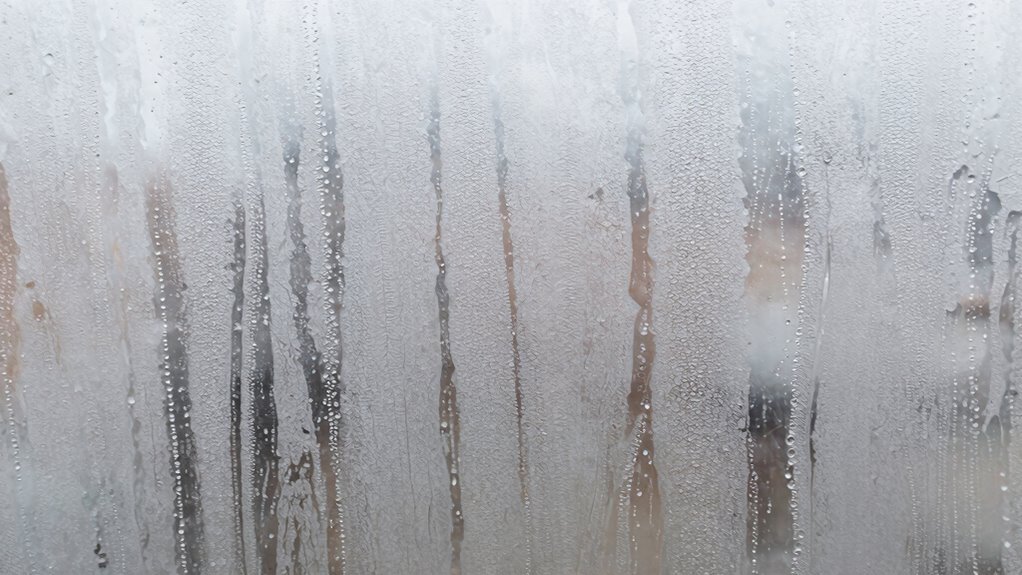
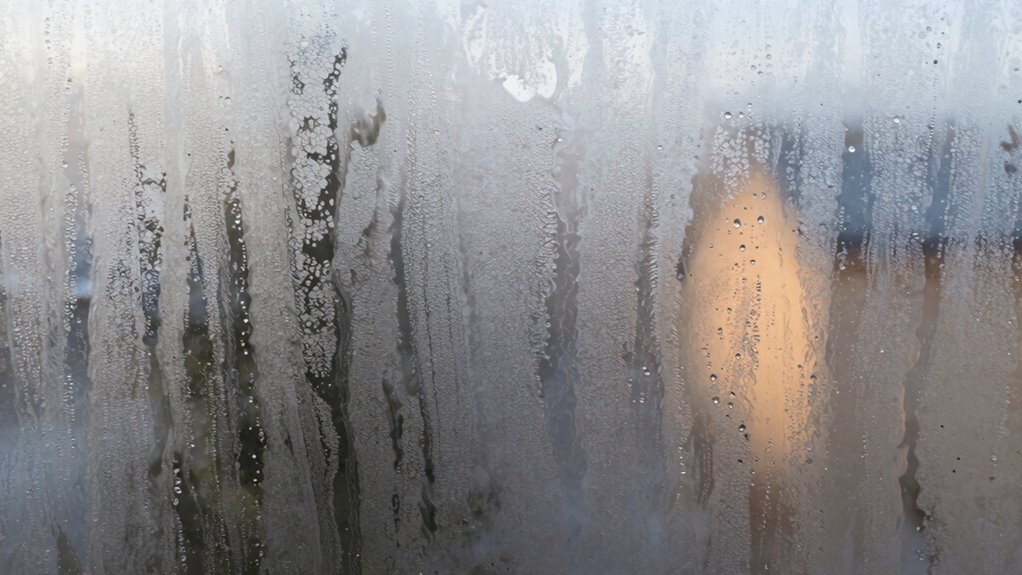
When the weather is mild, you might still notice condensation forming on your windows, which can be puzzling if you’re expecting clear, dry glass. This window sweat often seems like a minor annoyance, but it’s actually a warning sign of underlying issues with your home’s indoor environment. The key factor here is indoor humidity—when it’s too high, moisture in the air finds its way to cooler surfaces like your windows, condensing into water droplets. It’s tempting to dismiss this as a seasonal quirk, but persistent window sweat signals that your indoor air isn’t properly balanced.
Persistent window condensation signals high indoor humidity and underlying home climate issues.
A common cause is inadequate HVAC maintenance. Your heating, ventilation, and air conditioning system plays a pivotal role in controlling indoor humidity levels. If your HVAC isn’t functioning efficiently—perhaps due to clogged filters, dirty ducts, or outdated equipment—it can’t regulate moisture effectively. As a result, humidity accumulates, creating the perfect conditions for condensation on windows. Regular HVAC maintenance isn’t just about keeping your system running; it’s about ensuring it maintains a healthy indoor climate. When your system is neglected, moisture issues become more frequent, and window sweat is just the visible tip of the iceberg. Proper HVAC system care can significantly reduce indoor moisture problems and prevent window condensation.
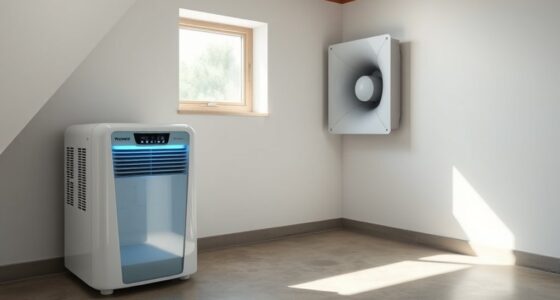
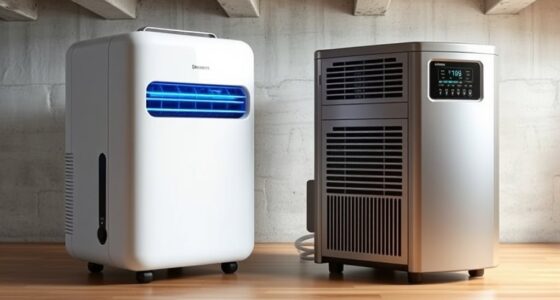
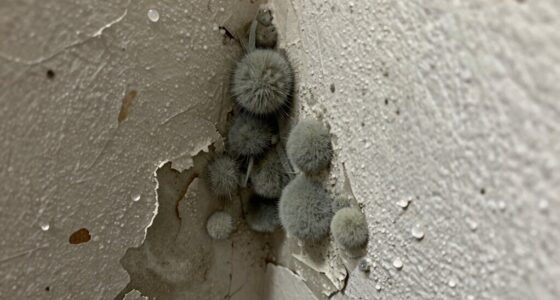
It’s important to understand that window condensation isn’t just about comfort; it’s a sign of potential problems like mold growth, wood rot, or other structural damage caused by excess moisture. If you ignore these signs, you risk more costly repairs down the line. Investing in a dehumidifier or improving ventilation around your home can be effective measures to reduce indoor humidity and prevent further issues. Simple measures, like opening windows when the weather permits or using exhaust fans in kitchens and bathrooms, can make a noticeable difference. Additionally, increasing air circulation through fans can help disperse moisture and reduce condensation on your windows.
However, the root cause often lies with your HVAC system’s ability to manage moisture. Proper HVAC maintenance helps keep indoor humidity at optimal levels—generally between 30% and 50%. When humidity levels spike, condensation on windows increases. Regularly changing filters, scheduling professional inspections, and ensuring your system is operating efficiently can prevent excess moisture from building up. Paying attention to indoor humidity levels and addressing the root causes now will protect your home’s integrity and your health in the long run.

BEDRED Dehumidifier, 95OZ Dehumidifier for Home 1000 sq ft – Quiet with Auto Shut Off & Relaxing 7 Color Ambient Light, Ideal for Livingroom, Bedroom, Basement (Black)
- Cooling Technology: Thermoelectric cooling removes moisture
- Auto Shutoff: Automatically powers down when full
- Ambient Lighting: 7-color soothing ambient light
As an affiliate, we earn on qualifying purchases.
As an affiliate, we earn on qualifying purchases.
Frequently Asked Questions
Can Window Sweat Cause Long-Term Structural Damage?
Yes, window sweat can cause long-term structural damage. When moisture seeps into your walls or framing, it weakens the material over time, leading to rot or mold. The repeated cycle of thermal expansion and contraction from indoor humidity and temperature changes exacerbates this damage. If you notice window sweat regularly, address the source of moisture quickly to prevent costly repairs and protect your home’s structural integrity.
Is Window Sweat More Common in Certain Climates?
Yes, window sweat is more common in climates with high humidity levels and fluctuating temperature patterns. When moisture in the air condenses on cooler window surfaces, it indicates elevated humidity and poor ventilation. In areas with consistent climate patterns of humidity, you’ll notice this more often, especially during mild weather. Addressing these conditions helps prevent potential damage and maintains a comfortable indoor environment.
How Quickly Does Window Sweat Typically Develop?
You can see window sweat develop within minutes to hours, depending on humidity levels and temperature differences. When warm, moist air contacts a cooler window surface, condensation formation occurs quickly if humidity levels are high. In mild weather, this process might be slower, but it still signals excess indoor moisture or poor insulation. Keep an eye on humidity and temperature to prevent persistent window sweat that could indicate bigger issues.
Are There Health Risks Associated With Window Condensation?
Yes, there are health risks linked to window condensation. Excess indoor humidity can promote mold growth, which may trigger allergies or respiratory issues. To reduce these risks, you should improve ventilation and control indoor humidity levels. Using exhaust fans, dehumidifiers, or opening windows helps keep moisture in check. Addressing window condensation promptly protects your health and prevents damage to your home, making it an essential step for a healthier living environment.
What Are Effective Methods to Prevent Window Sweat?
Imagine your windows as mirrors catching droplets—prevent this by controlling humidity and upgrading insulation. Keep your indoor humidity levels low with dehumidifiers or ventilation fans. Insulation upgrades, like weather stripping or double-glazed windows, help maintain consistent temperatures and reduce condensation. These steps create a barrier against moisture, keeping your windows dry and clear, and avoiding the hidden risks of mold or damage lurking behind the scenes.
HVAC system filter replacement kit
As an affiliate, we earn on qualifying purchases.
As an affiliate, we earn on qualifying purchases.
Conclusion
So, next time you notice window sweat during mild weather, don’t brush it off. It’s a sign that something’s brewing behind the scenes—maybe even a bigger issue like poor insulation or hidden leaks. Ignoring these signs is like shutting your eyes to the writing on the wall. Catching problems early keeps them from snowballing, so pay attention and act before things get out of hand. Better safe than sorry—don’t let this warning go in one ear and out the other.

Amazon Basics 3-Speed Box Fan for Bedroom, Portable with Carry Handle, Powerful Airflow, 5 Blades, Lightweight Design, 67 Watts, 20-Inch, Black, 6.8"D x 20.86"W x 21.33"H
- Customizable Airflow: Three adjustable speed settings
- Portable and Lightweight: Weighs only 5.8 pounds with handle
- Stable Design: Free-standing with large, stable feet
As an affiliate, we earn on qualifying purchases.
As an affiliate, we earn on qualifying purchases.
As an affiliate, we earn on qualifying purchases.