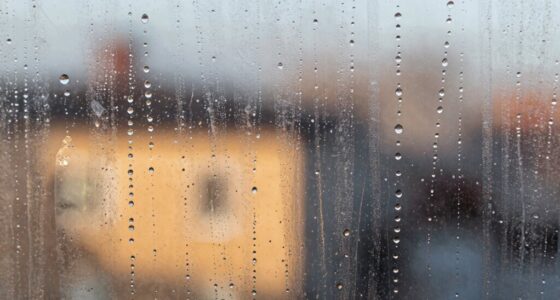
Spring rains can unexpectedly push moisture into rooms you think are safe, especially if your home has cracks, damaged seals, or poor drainage. Water can seep through gaps around windows or foundation walls, causing mold, odors, or even structural issues over time. To keep your home dry, check for vulnerabilities and take preventative steps now. Continue exploring to find out how to protect your home from this hidden threat during heavy rains.
Key Takeaways
- Heavy spring rains can infiltrate through small gaps around windows or foundation cracks.
- Poor drainage systems may cause water to seep into basements and interior rooms.
- Moisture can travel through walls and ceilings if proper waterproofing isn’t maintained.
- Leaky windows during storms allow water to enter and cause damage indoors.
- Regular inspections and maintenance can prevent moisture intrusion during heavy spring rains.

As spring rains arrive, they can unexpectedly force moisture into areas of your home you believed were dry and secure. You might think your basement is safe from flooding, but heavy downpours can quickly change that. When water seeps through cracks or poor drainage, basement flooding becomes a real concern. It’s easy to overlook the signs until it’s too late, but persistent moisture in the basement can lead to mold, structural damage, and foul odors. If you notice standing water or dampness, don’t ignore it—early action can save you money and headaches in the long run.
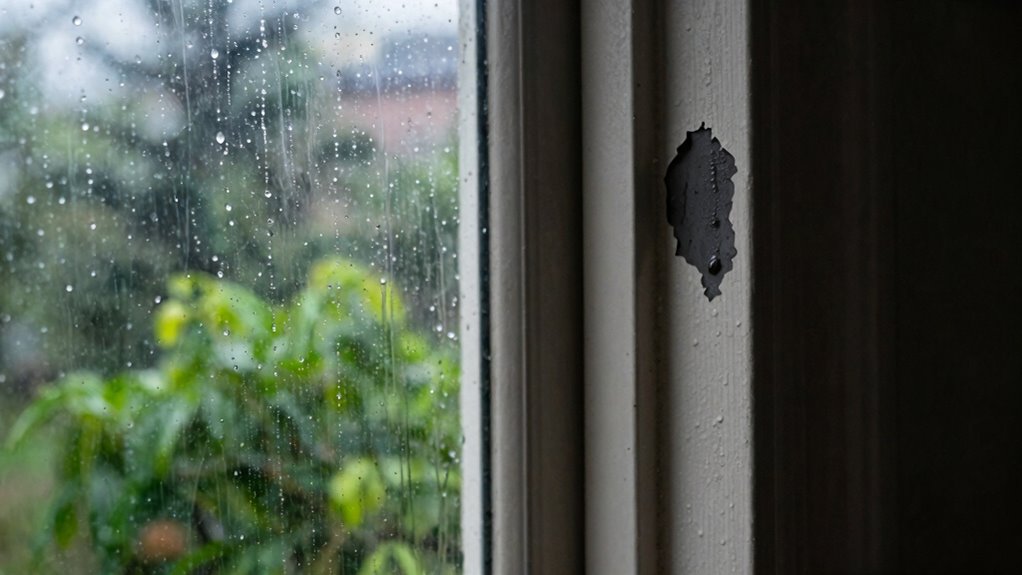
Another common issue that spring rains can trigger is window leaks. You might assume your windows are sealed tight, but relentless rain and wind can force water through tiny gaps or damaged seals. You may not see the leaks immediately, but water can trickle down the window frame and seep into your walls or flooring. Over time, this can cause paint to peel, wood to rot, or even mold growth behind the walls. It’s crucial to inspect your windows after heavy rains, especially if you see water spots or feel a damp draft around the frames. Catching window leaks early makes it easier to repair the seals or replace damaged caulking, preventing further damage inside your home.
Inspect windows after heavy rains to prevent leaks, mold, and structural damage.
The problem with moisture intrusion isn’t just limited to visible puddles or damp patches. Basement flooding, for instance, can weaken foundation walls, leading to cracks or shifting that compromise your home’s stability. Meanwhile, persistent window leaks can create hidden mold colonies in your walls or ceilings, which can be health hazards for you and your family. Proper drainage systems can help direct water away from your home’s foundation and reduce these risks. Additionally, understanding the importance of waterproofing techniques can significantly improve your home’s resilience against heavy rains. Being aware of home vulnerabilities and addressing them proactively can make a significant difference during heavy rain seasons.
You need to be proactive in monitoring your home during rainy seasons. Check your basement for any signs of water accumulation and ensure your sump pump is working properly. Seal any gaps around your windows and consider installing storm or window well covers to prevent rain from seeping in. Proper drainage around your property can also help redirect water away from your foundation, reducing the risk of basement flooding. Regularly inspecting and maintaining your home’s drainage systems can prevent many issues before they become costly repairs. Remember, the key is to identify vulnerabilities before heavy rains hit, so you can take swift action.
Spring rains are inevitable, but they don’t have to catch you off guard. By paying close attention to your basement and windows, you can prevent moisture from infiltrating your home and causing costly damage. Stay vigilant, perform regular inspections, and address leaks promptly. That way, you keep your home dry and secure, no matter how heavy the spring downpour becomes.
As an affiliate, we earn on qualifying purchases.
Frequently Asked Questions
Can Spring Rain Cause Mold Growth Indoors?
Yes, spring rain can cause mold growth indoors. Rainwater seepage through leaks or cracks increases indoor moisture levels, creating a conducive environment for mold. Additionally, indoor condensation from temperature differences can trap moisture on walls and ceilings, further promoting mold growth. To prevent this, check for leaks, make certain proper ventilation, and control indoor humidity. Acting quickly helps protect your home from mold and maintains a healthier living space.
How Can I Detect Unseen Indoor Moisture?
You can detect unseen indoor moisture by checking for poor air circulation, which often traps humidity. Use moisture sensors to identify hidden damp spots or elevated humidity levels. Look for signs like musty odors, peeling paint, or water stains on walls and ceilings. Improving air circulation and installing moisture sensors help you catch moisture early, preventing mold growth and protecting your home’s integrity.
Are Certain Building Materials More Vulnerable to Rain Intrusion?
Yes, certain building materials are more vulnerable to rain intrusion. Exterior vulnerabilities like cracks, gaps, or damaged siding can allow moisture to seep in. Materials with lower resistance, such as wood or porous concrete, absorb water more easily, increasing risks. To protect your home, regularly inspect for exterior vulnerabilities and consider upgrading to more resistant materials like sealed brick or fiber cement siding, which better withstand rain intrusion.
What Are the Long-Term Effects of Indoor Moisture?
Like a quiet thief, long-term indoor moisture slowly steals your home’s integrity. It can cause mold, wood rot, and structural damage, compromising indoor air quality and your health. Proper indoor ventilation helps remove excess humidity, while moisture barriers protect vulnerable areas. Without these measures, moisture builds up, leading to costly repairs and potential health risks. Stay vigilant, guarantee good airflow, and seal leaks to prevent moisture from undermining your home’s foundation.
Can Humidity Levels Be Controlled During Heavy Rains?
During heavy rains, you can control humidity levels by maintaining your humidifier properly and improving ventilation. Regular humidifier maintenance guarantees it doesn’t add excess moisture, while opening windows or installing exhaust fans helps vent damp air outside. Use a hygrometer to monitor humidity and keep it between 30-50%. This way, you prevent mold growth and protect your indoor air quality, even during prolonged rainy periods.
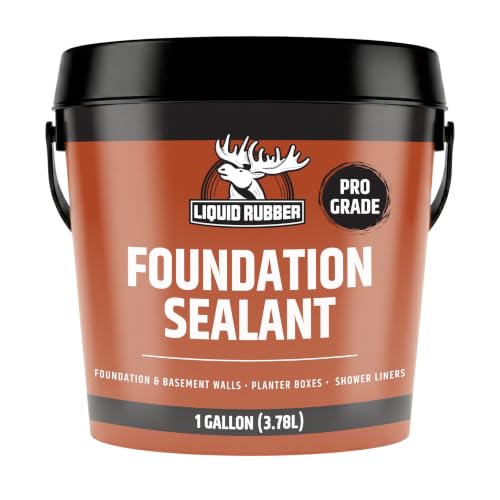
Liquid Rubber Foundation Sealant – Basement Waterproof Sealer, Black, 1 Gal
- Flexible Waterproof Sealant: Creates permanent waterproof membrane
- Complete Waterproofing System: Seals leaks and protects foundations
- Versatile Crack Filler: Adheres to multiple surfaces for repairs
As an affiliate, we earn on qualifying purchases.
As an affiliate, we earn on qualifying purchases.
Conclusion
So, next time the spring rain starts to pour, remember that even your fortress of walls might not be as invincible as it seems. Like a cunning fox slipping through a crack, moisture can find its way into hidden corners you never suspected. Don’t let the gentle rain catch you off guard—think of it as Mother Nature’s own Trojan horse, sneaking in and turning your haven into a soggy mess. Stay vigilant, and keep your home dry.
As an affiliate, we earn on qualifying purchases.
As an affiliate, we earn on qualifying purchases.