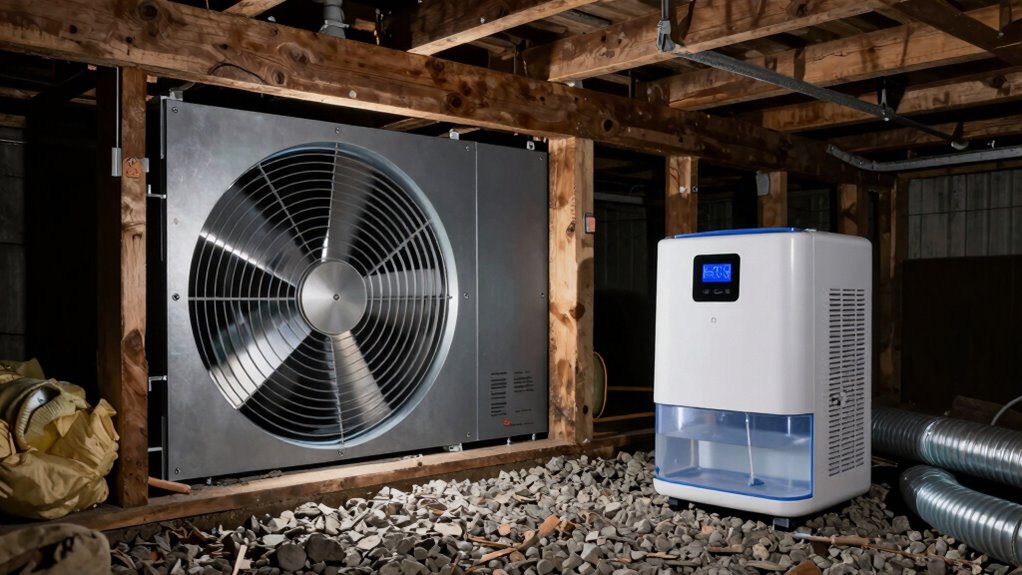
If you’re choosing between crawl space vent fans and dehumidifiers, dehumidifiers generally offer better long-term moisture control, reducing mold and structural damage more effectively. Vent fans improve airflow but depend on outdoor conditions, making them less reliable. While vent fans cost less to install initially, dehumidifiers may save you money over time with more consistent operation. To protect your home properly, understanding each method’s strengths can help you make the right choice—more details ahead can guide your decision.
Key Takeaways
- Dehumidifiers provide consistent, active moisture removal regardless of external conditions, making them more reliable for mold prevention.
- Vent fans improve airflow and help ventilate crawl spaces but depend on outdoor weather, limiting their effectiveness in humid climates.
- Dehumidifiers typically have higher initial costs but lower long-term maintenance and energy expenses compared to vent fans.
- Proper moisture control with dehumidifiers reduces risks of mold, wood rot, and structural damage more effectively than vent fans alone.
- Combining vent fans with dehumidifiers offers optimal moisture management, but dehumidifiers generally win in long-term cost-efficiency and reliability.
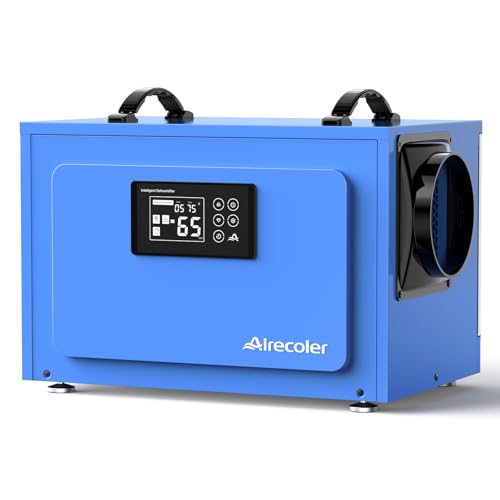
Airecoler 125 Pints Commercial Dehumidifier for Crawl Spaces & Basements with Drain Hose, Industrial Grade Water Damage Restoration for up to 6,000 sq ft, Auto Defrost, Memory Starting
Enhanced Commercial Dehumidification: Airecoler commercial dehumidifier GT-X5 stands out for its exceptional moisture removal, capable of extracting up…
As an affiliate, we earn on qualifying purchases.
As an affiliate, we earn on qualifying purchases.
Why Moisture Control Is Crucial in Your Crawl Space

Moisture control is vital because excess humidity in your crawl space can lead to a host of problems. High humidity levels promote mold growth, wood rot, and pest infestations, which threaten your home’s structural integrity. Maintaining proper ventilation rates helps regulate humidity levels, preventing moisture buildup. When ventilation is inadequate, humidity can rise quickly, creating an environment where mold and pests thrive. You need to guarantee that your crawl space is properly ventilated to keep moisture levels in check. This is why product roundups and proper equipment selection are essential for effective moisture management. Proper ventilation strategies can help reduce humidity more effectively than relying solely on passive methods. This not only protects your foundation but also improves indoor air quality. By controlling moisture early, you save yourself from costly repairs and health issues down the line. Effective moisture management is a critical step in maintaining a safe, healthy, and durable home. Incorporating active moisture removal devices such as fans or dehumidifiers can provide additional control when passive ventilation alone isn’t sufficient. Additionally, humidity sensors can help monitor levels and ensure your strategies remain effective over time. Knowing the contrast ratio of your dehumidifier or fan can help you select the most suitable equipment for your needs.
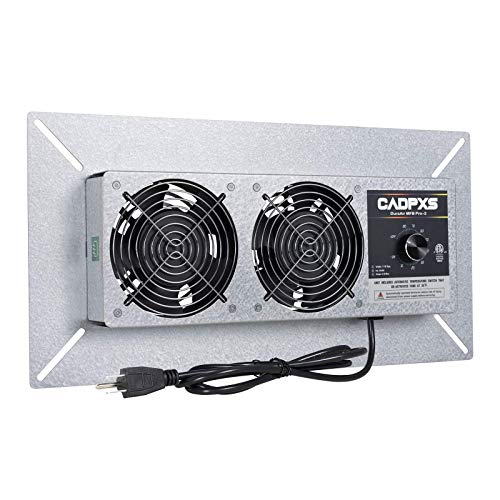
CADPXS Crawlspace Ventilation Fan, Crawlspace Fan Vent with Humidistat, Dehumidistat & Freeze Protection Thermostat, for Crawl Spaces/Basement/Garage/Attic/Hydroponics Grow Tents (220 CFM Air Out)
Crawlspace Vent Fan: Air Out. Airflow: 220 CFM. 18" x9" x2”. Dual fans with 6.56 foot grounded power…
As an affiliate, we earn on qualifying purchases.
As an affiliate, we earn on qualifying purchases.
How Do Vent Fans and Dehumidifiers Work?

Vent fans work by pulling moist air out of your crawl space and replacing it with dryer outside air, helping to reduce humidity levels. Dehumidifiers, on the other hand, actively remove moisture from the air inside your crawl space, regardless of outside conditions. Understanding how each system operates can help you decide which solution best fits your needs. Additionally, selecting the right method can also influence the overall air quality in your home. Proper ventilation can mitigate issues caused by microplastics in dust, improving indoor environmental health. Using an electric crawl space fan can be a cost-effective way to increase airflow and reduce humidity, especially when paired with a dehumidifier. Incorporating humidity control systems can further optimize moisture levels and protect your home’s foundation. Implementing proper ventilation strategies is essential for maintaining a healthy and balanced environment in your crawl space.
Vent Fans Mechanism
While both vent fans and dehumidifiers help control moisture in your crawl space, they operate through different mechanisms. Vent fan operation involves pulling in fresh air from outside and expelling moist air, promoting airflow regulation. The fan’s motor activates, creating continuous airflow that exchanges indoor and outdoor air, reducing humidity levels naturally. This process relies on the temperature and humidity difference between the outside and inside, helping to ventilate excess moisture. Unlike dehumidifiers, vent fans don’t actively remove moisture but instead encourage air circulation to prevent buildup. Properly functioning vent fans ensure steady airflow regulation, which can help maintain a drier crawl space environment. Additionally, ventilation principles play a crucial role in optimizing their performance and preventing unintended consequences, especially in varying outdoor conditions, as effective ventilation depends on proper air exchange and environmental factors.
Dehumidifiers Function
Dehumidifiers actively remove excess moisture from the air by drawing in humid air, cooling it to condense the water vapor, and then collecting the resulting water in a tank or draining it away. As they operate, they enhance air circulation within your crawl space, helping to evenly distribute dry air. By reducing humidity levels, dehumidifiers prevent mold, wood rot, and musty odors. They work continuously, sensing humidity levels with built-in hygrometers, and automatically turn on or off to maintain your desired comfort zone. Unlike vent fans, which rely on air exchange, dehumidifiers focus on controlling moisture content directly, making them particularly effective in maintaining a stable environment, especially in areas prone to high humidity. Some models feature Sustainable materials that can further improve their environmental impact and efficiency. Additionally, proper maintenance ensures they operate at peak performance and extend their lifespan.
Airecoler 125 Pints Commercial Dehumidifier for Crawl Spaces & Basements with Drain Hose, Industrial Grade Water Damage Restoration for up to 6,000 sq ft, Auto Defrost, Memory Starting
Enhanced Commercial Dehumidification: Airecoler commercial dehumidifier GT-X5 stands out for its exceptional moisture removal, capable of extracting up…
As an affiliate, we earn on qualifying purchases.
As an affiliate, we earn on qualifying purchases.
Which Is More Effective at Preventing Mold and Damage?

When it comes to preventing mold and damage in your crawl space, moisture control is key. You’ll want to compare how effectively vent fans and dehumidifiers manage humidity levels, mold growth, and overall costs. Understanding these differences helps you choose the best solution for long-term protection. Incorporating indoor air quality gear such as HEPA filters, carbon filters, and UV-C sterilization can further enhance your moisture management strategy. Additionally, considering the environmental impact of each method can help you make more sustainable choices for your home.
Moisture Control Efficiency
Moisture control is essential for preventing mold growth and structural damage in your crawl space, and understanding which method is more effective can help you make an informed decision. Crawl space vent fans improve air circulation, helping moisture escape naturally, but their efficiency depends on outdoor conditions. Dehumidifiers directly remove moisture from the air, offering more consistent control regardless of external factors. When evaluating moisture control efficiency, consider energy efficiency as well; dehumidifiers typically consume more power but provide targeted moisture removal, while vent fans may run longer to achieve similar results. Overall, dehumidifiers tend to be more effective at maintaining ideal humidity levels, especially in humid climates, making them a more reliable choice for moisture control. Additionally, ventilation systems can sometimes introduce outdoor humidity into the space if not properly managed.
Mold Growth Prevention
Since mold thrives in damp environments, choosing the right moisture control method is essential for preventing mold growth and structural damage. Dehumidifiers are more effective at maintaining consistent humidity levels, which reduces excess moisture and inhibits mold development. They improve air quality by removing mold spores and airborne pollutants, creating a healthier environment. Vent fans, on the other hand, rely on air exchange, which can sometimes introduce more moisture if not properly managed. Additionally, dehumidifiers generally consume less energy over time because they operate efficiently to control humidity continuously. Proper humidity control is crucial in preventing mold and maintaining the integrity of your space. Incorporating moisture management strategies like dehumidifiers can significantly reduce the risk of mold growth in vulnerable areas. Ensuring proper ventilation practices can further enhance your mold prevention efforts.
Cost and Maintenance
While dehumidifiers typically require a higher upfront investment, they often prove more cost-effective over time due to their energy savings and lower maintenance needs. They run efficiently, reducing long-term utility bills, and require minimal upkeep compared to vent fans. Vent fans usually have lower installation costs initially but might need frequent repairs or replacements, increasing overall expenses.
| Aspect | Dehumidifiers | Vent Fans |
|---|---|---|
| Installation Costs | Higher | Lower |
| Energy Savings | Significant over time | Less efficient |
| Maintenance | Low, occasional filter changes | Frequent repairs needed |
| Effectiveness | Consistent mold prevention | Less reliable, airflow dependent |
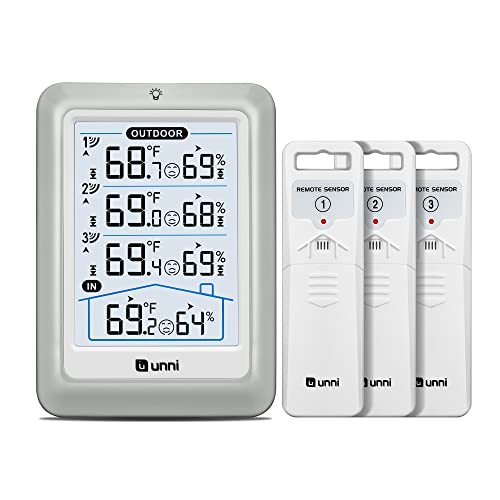
Indoor Outdoor Thermometer Wireless, 4.5 Inch Display Digital Hygrometer Thermometer Temperature Humidity Monitor with 330ft Range Sensor and Adjustable Backlight
HIGH-ACCURARY TEMPERATURE HUMIDITY GAUGE – We pre-calibrate the sensor to make it extremely accurate! The indoor temperature range…
As an affiliate, we earn on qualifying purchases.
As an affiliate, we earn on qualifying purchases.
How Much Do They Cost and What’s Involved?

Crawl space vent fans typically cost between $100 and $300 to purchase, with installation fees adding another $200 to $500 depending on the complexity of the job. When considering cost comparisons, you’ll want to factor in installation considerations such as electrical wiring, ductwork, and accessibility. Installing a vent fan is usually straightforward but can vary based on your crawl space layout.
Here are some key points to keep in mind:
- Vent fan prices vary by size and features
- Professional installation ensures proper setup
- Electrical work may increase costs
- Some homes require additional ductwork
- Maintenance is minimal but essential for longevity
Understanding these costs helps you decide if vent fans fit your budget and setup needs.
What Are the Long-Term Benefits and Drawbacks?

Are vent fans and dehumidifiers effective for the long-term health of your crawl space? Both options offer unique benefits and drawbacks. Vent fans can improve airflow, potentially reducing moisture, but they often lead to higher energy bills and may require ongoing operation for effectiveness. Dehumidifiers, on the other hand, actively control humidity levels, which can prevent mold and wood rot over time, leading to better energy savings by maintaining almost ideal moisture levels. However, they tend to have a more complex installation process, sometimes requiring professional help. In the long run, dehumidifiers generally provide more consistent moisture control with less energy waste, but their upfront costs and installation complexity can be a challenge. Weighing these factors helps you decide what truly benefits your crawl space health.
How to Choose the Best Moisture Control Method for Your Home

Choosing the right moisture control method for your home depends on your specific needs, budget, and long-term goals. To make an informed decision, consider factors like radon mitigation, pest prevention, and energy efficiency. A dehumidifier can effectively reduce humidity and prevent mold, while vent fans promote airflow but may need supplemental radon mitigation. Pest prevention is essential, as excess moisture attracts insects and rodents. Evaluate your crawl space’s current condition and future plans. Consulting with a professional can help you select the best approach. Remember, combining methods might offer ideal protection. Your goal is to maintain a dry, healthy, and safe home environment with minimal ongoing costs. Carefully weighing these aspects ensures you choose the most effective moisture control solution for your needs.
Choose moisture control methods based on your needs, budget, and goals for a dry, healthy home.
- Radon mitigation considerations
- Pest prevention strategies
- Energy efficiency and costs
- Long-term maintenance needs
- Compatibility with existing systems
Frequently Asked Questions
Can Vent Fans and Dehumidifiers Be Used Together Effectively?
Yes, you can use vent fans and dehumidifiers together effectively. Vent fans help with humidity control by ventilating moist air outside, while dehumidifiers actively remove excess moisture from the crawl space. Combining both enhances energy efficiency, ensuring your space stays dry without overworking any single device. Just make sure to monitor humidity levels regularly, so you optimize their performance and prevent energy waste.
How Often Should I Run a Crawl Space Vent Fan or Dehumidifier?
Imagine you run your vent fan for 15 minutes daily during humid months, boosting vent fan efficiency, while your dehumidifier, with adequate capacity, should operate all day in high humidity. Typically, run your vent fan 15-30 minutes, and keep your dehumidifier on until humidity drops below 60%. Adjust based on conditions; consistent monitoring guarantees ideal moisture control without overuse.
Are There Specific Signs Indicating the Need for Each System?
Yes, there are signs you can look for. If you notice persistent moisture indicators like mold, musty smells, or condensation on surfaces, a dehumidifier might be your best choice. Airflow issues, such as stagnant air or uneven ventilation, suggest vent fans could help improve air circulation. Keep an eye on these signs to determine which system addresses your crawl space’s specific needs effectively.
What Maintenance Is Required for Vent Fans and Dehumidifiers?
You should regularly clean or replace the system filter on vent fans and dehumidifiers to guarantee ideal airflow and efficiency. Additionally, schedule an electrical inspection annually to check for any wiring issues or wear. Keep vents clear of debris, and monitor the units for unusual noises or malfunctions. Proper maintenance extends the lifespan of both systems, helps prevent mold growth, and maintains a healthy crawl space environment.
Do Climate Zones Influence the Choice Between Vent Fans and Dehumidifiers?
Climate zones considerably influence your choice between vent fans and dehumidifiers for moisture control. In humid areas, dehumidifiers are more effective because they actively remove excess moisture from the air, preventing mold and mildew. Conversely, in dry or cooler zones, vent fans help to improve airflow and reduce humidity. Assess your climate impact to select the best strategy, ensuring your crawl space stays dry and healthy year-round.
Conclusion
When it comes to moisture control, there’s no one-size-fits-all answer. Whether you choose vent fans or dehumidifiers, remember that the best strategy depends on your home’s needs. Don’t put all your eggs in one basket—sometimes, combining methods offers the best protection. By staying vigilant and making informed choices, you can keep your crawl space dry and your home safe. After all, an ounce of prevention is worth a pound of cure.