
Combining dehumidifiers with proper ventilation is an effective way to prevent mold in your home. Dehumidifiers actively remove excess moisture from the air, while ventilation brings in fresh, dry air and expels humid indoor air. Using both together helps maintain indoor humidity below 50%, creating an inhospitable environment for mold spores. To learn how to optimize this approach and protect your space, continue exploring the best strategies for moisture control.

Get home appliances delivered free with Prime
- Fast, free delivery on millions of items
- Prime Video, Amazon Music and more included
- Member-only deals all year
Key Takeaways
- Use dehumidifiers alongside ventilation systems to actively reduce indoor humidity and improve air exchange.
- Ensure proper operation and maintenance of both dehumidifiers and ventilation to maximize moisture removal.
- Open windows or install exhaust fans to enhance natural airflow, complementing dehumidifier effectiveness.
- Monitor humidity levels regularly to adjust dehumidifier and ventilation use for optimal mold prevention.
- Combining these methods creates an environment less hospitable to mold spores by controlling moisture and promoting airflow.

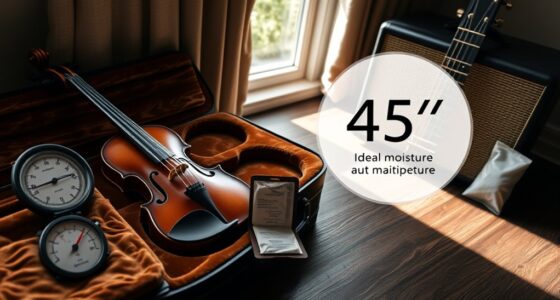
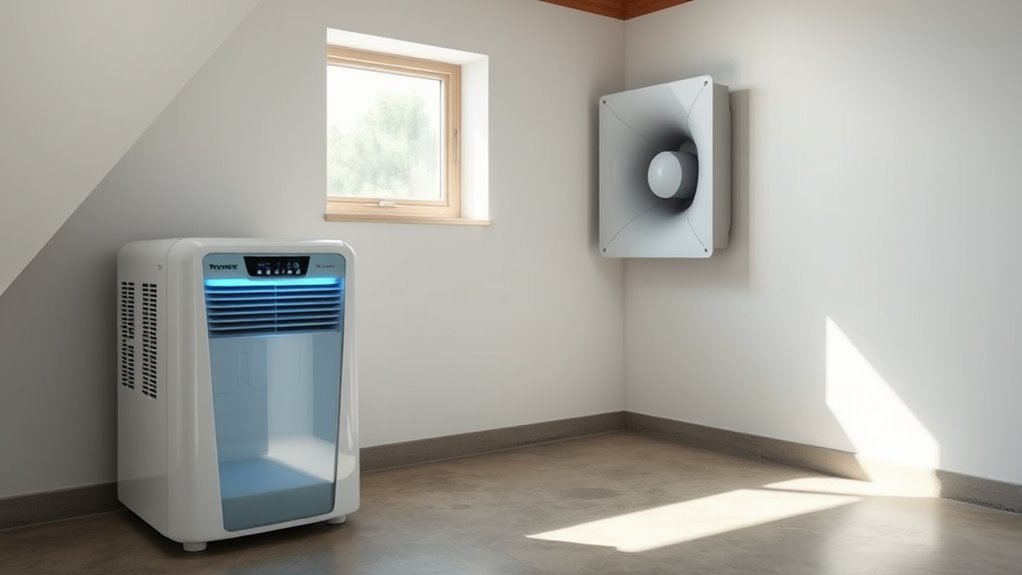
Mold thrives in damp, poorly ventilated spaces, making humidity control essential for prevention. When moisture levels rise indoors, mold spores find a perfect environment to settle and grow. To effectively combat this, you need to focus on increasing air exchange and managing moisture control. Air exchange involves bringing in fresh, dry air while removing stale, humid air, which helps reduce indoor humidity levels and prevents mold from taking hold. Proper ventilation ensures that moisture doesn’t linger in confined areas, creating an inhospitable environment for mold spores to develop. Using a dehumidifier in conjunction with ventilation creates a powerful defense against mold growth. A dehumidifier actively pulls excess moisture from the air, lowering indoor humidity to safer levels—ideally between 30% and 50%. This process is especially crucial in high-humidity environments like basements, bathrooms, or kitchens, where moisture tends to accumulate rapidly. By reducing overall humidity, you make it less likely for mold spores to find the damp conditions they need to thrive. Additionally, choosing the right type of ventilation system can significantly improve airflow and moisture removal, further enhancing mold prevention efforts. However, simply relying on a dehumidifier isn’t enough. You also need to promote consistent air exchange by increasing ventilation. Opening windows, installing exhaust fans, or using mechanical ventilation systems improves airflow and helps eliminate humid air. This constant movement prevents moisture from settling on surfaces or lingering in the air, which is essential because mold spores can become airborne and settle on damp surfaces if given the chance. When you combine moisture control through a dehumidifier with regular air exchange, you create a less hospitable environment for mold. It’s important to monitor humidity levels regularly with a hygrometer. If levels creep above 50%, running your dehumidifier and increasing ventilation can help bring them back down. During humid seasons or in areas prone to moisture buildup, maintaining this balance becomes even more critical. Also, ensure that your ventilation system is working properly, free of blockages or leaks that could hinder airflow. Proper air exchange not only helps control moisture but also improves indoor air quality, reducing the risk of mold spores settling and multiplying.
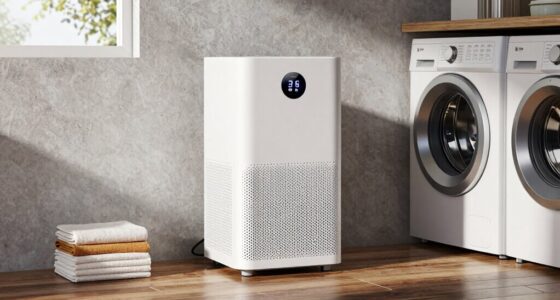
dehumidifier with humidity control
As an affiliate, we earn on qualifying purchases.
As an affiliate, we earn on qualifying purchases.
Frequently Asked Questions
Can Dehumidifiers Eliminate All Types of Mold?
Dehumidifiers can’t eliminate all types of mold, especially if mold resistance in your environment is low. They help reduce excess moisture, making conditions less ideal for mold growth. However, for thorough mold removal, you need proper air purification and cleaning. While they’re effective against many mold spores, combining dehumidifiers with ventilation and air purification offers the best defense against mold. Always address underlying moisture issues for lasting results.
How Often Should Ventilation Systems Be Serviced?
You should service your ventilation system at least once every 6 to 12 months, depending on usage and environment. Regular maintenance ensures peak air filtration, keeping mold spores at bay. During maintenance, replace filters, clean vents, and check for damage. Staying on top of your maintenance schedule helps prevent mold growth and maintains good indoor air quality, making your home healthier and safer.
Are There Specific Humidity Levels Optimal for Mold Prevention?
Are you aware of the humidity levels that keep mold at bay? Keep your indoor humidity control between 30-50%, as this range stays below mold thresholds that trigger growth. If it creeps higher, spores find a perfect environment. Don’t let your home become a battleground—monitor and adjust your dehumidifiers and ventilation systems to maintain these levels and stay ahead of mold. The secret is in consistent humidity control.
Can Using Dehumidifiers and Ventilation Reduce Energy Costs?
Using dehumidifiers and ventilation can indeed reduce your energy costs by improving efficiency and preventing excess moisture. When you manage humidity levels effectively, your HVAC system doesn’t work as hard, leading to energy savings. This combined approach is cost-effective because it minimizes mold growth and lessens the need for costly repairs or mold remediation. By maintaining ideal humidity, you maximize your home’s energy use while protecting your indoor air quality.
Do Different Room Types Require Different Dehumidifier Settings?
Different room types are like unique puzzle pieces, needing tailored humidity control for mold prevention. You should set your dehumidifier differently in a basement, bathroom, or bedroom, considering their specific moisture levels. For example, bathrooms may need higher humidity settings after showers, while living areas require moderate control. Adjusting settings based on room function helps you effectively prevent mold, ensuring each space stays dry, healthy, and mold-free.
As an affiliate, we earn on qualifying purchases.
Conclusion
By combining dehumidifiers with proper ventilation, you create a fortress against mold, turning your home into a fortress of dry, healthy air. Think of it as a dynamic duo that works tirelessly to keep moisture at bay, much like a team of guardians defending your space. When you use both strategies together, you prevent mold from taking hold, ensuring your home stays fresh and safe. Stay proactive, and let these tools be your mold-fighting superheroes.
As an affiliate, we earn on qualifying purchases.
As an affiliate, we earn on qualifying purchases.
Halloween Picks
halloween
As an affiliate, we earn on qualifying purchases.