If you place your air purifier in the wrong spot, it can waste its effectiveness and leave your cleanest room still filled with pollutants. Positioning it behind furniture, too close to walls, or in cramped corners blocks airflow and prevents proper filtration. Poor placement makes the device struggle to circulate and clean the air properly. To maximize its benefits, you need to understand the best spots for placement—you’ll discover more tips on how to do that soon.

Get home appliances delivered free with Prime
- Fast, free delivery on millions of items
- Prime Video, Amazon Music and more included
- Member-only deals all year
Key Takeaways
- Incorrect placement blocks airflow, preventing the purifier from effectively filtering pollutants.
- Positioning near walls or in corners restricts air circulation, reducing cleaning efficiency.
- Poor placement causes the purifier to struggle with air movement, leaving the room less cleaned.
- Neglecting room layout and airflow patterns diminishes the device’s ability to improve air quality.
- Improper positioning combined with lack of maintenance hampers overall purifier performance.
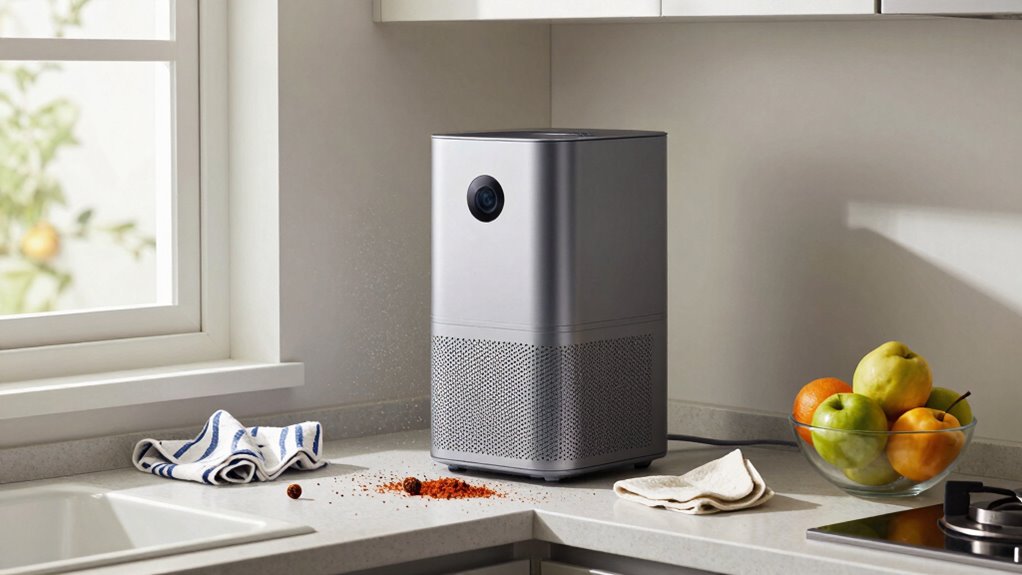
Have you ever installed a purifier only to find it doesn’t improve the air quality as expected? It’s frustrating, especially when you’ve invested time and money. One common mistake is placing the purifier in the wrong spot. Location plays a vital role in how well your device works, affecting airflow patterns and overall efficiency. When you position your purifier poorly, it struggles to circulate and filter the air effectively, leaving you with less clean air than you hoped for. Instead of creating a healthy environment, it may just sit there, barely making a difference.
The key is understanding airflow patterns within the room. Air naturally moves from high-pressure to low-pressure areas, influenced by factors like doorways, windows, and furniture placement. If your purifier is tucked into a corner or placed behind large objects, it can block or disrupt these airflow patterns. This limits the device’s ability to draw in contaminated air and distribute clean air evenly. You want your purifier to be in a central location, where air flows freely around it, allowing for maximum circulation. Avoid placing it too close to walls or in cramped spaces, as these can hinder airflow and reduce its effectiveness. Proper placement also involves considering airflow dynamics, which directly impact your purifier’s efficiency.
Another reason your purifier isn’t performing at its best could be neglecting purifier maintenance. Regularly changing filters and cleaning the device guarantees it operates at peak efficiency. A clogged or dirty filter restricts airflow, forcing the purifier to work harder without improving air quality. When maintenance isn’t kept up, the device’s ability to trap pollutants diminishes, rendering your efforts pointless. Proper placement combined with routine upkeep makes a noticeable difference in air quality. Understanding airflow patterns helps you optimize placement and ensure your purifier functions as intended. Additionally, considering room size and purifier capacity is crucial for achieving optimal results. To improve effectiveness, always consider the air circulation within the space, as it directly impacts how well the purifier can clean the air.
Products Worth Considering

LEVOIT Vital 200S-P Smart Air Purifier for Large Rooms

Levoit Vital 100S-P Air Purifier with Washable Pre-Filter

Coway Mighty AP-1512HH(W) Air Purifier, White
As an affiliate, we earn on qualifying purchases.
Frequently Asked Questions
How Often Should I Replace My Air Purifier Filters?
You should replace your air purifier filters every 3 to 6 months, depending on usage and filter type. Regular filter maintenance guarantees peak performance and air quality. Keep in mind that purifier placement affects efficiency; placing it in the right spot helps reduce filter strain and prolongs its life. Check your manufacturer’s recommendations for specific timing, and don’t forget to replace filters promptly to maintain clean, healthy air in your space.
Can an Air Purifier Improve Allergies in a Specific Room?
Like a trusty knight, your air purifier can definitely improve allergies in a specific room. It boosts air quality and helps allergen removal, making the space more comfortable. To get the best results, place the purifier in the room where you spend the most time or where allergens are most concentrated. Proper placement guarantees it targets dust, pet dander, and pollen effectively, easing allergy symptoms and creating a healthier environment.
Is It Better to Leave the Purifier on All Day or Only When Needed?
It’s better to run your air purifier continuously for consistent air quality, but if energy efficiency and noise levels concern you, operate it only when needed. Modern purifiers are designed to be energy-efficient and have quiet modes, so you can balance clean air with minimal noise. Running it all day guarantees allergy relief and better air, while turning it off saves energy and reduces noise during times you don’t need it most.
What Is the Ideal Size of an Air Purifier for a Room?
The ideal size of an air purifier depends on your room’s size and purifier capacity. Typically, match the purifier’s recommended room size to your space to guarantee effective air cleaning. Proper room placement is essential—place it where air circulates well and avoid obstructions. If your room is large, choose a purifier with a higher capacity to cover the entire area efficiently and maintain fresh, clean air.
Do Air Purifiers Remove All Types of Indoor Pollutants?
Air purifiers don’t remove all indoor pollutants because some sources, like VOCs from paints or certain gases, require specific filters. To maximize their effectiveness, you need to ensure indoor pollutant sources are addressed and how purifier placement impacts air circulation. Proper placement ensures the purifier captures pollutants efficiently, but it’s essential to understand its limitations and supplement with ventilation or specialized filters for pollutants like gases or chemicals.
Conclusion
So, next time you plop that purifier right next to the window or hide it behind a curtain, remember—you might as well set your clean air on a vacation. Instead of saving your lungs, you’ll be throwing a party for dust and pollutants to dance right past your so-called “clean” haven. Congratulations, you’ve just turned your pristine sanctuary into a sneeze-filled disaster zone—brilliant move!