
TL;DR

Get home appliances delivered free with Prime
- Fast, free delivery on millions of items
- Prime Video, Amazon Music and more included
- Member-only deals all year
Many consumers are unsure whether to buy a humidifier, dehumidifier, or air purifier. Experts recommend assessing specific indoor air issues to determine the right device. This guide clarifies their uses and benefits.
Consumers seeking to improve indoor air quality face confusion over whether to buy a humidifier, dehumidifier, or air purifier. Experts emphasize that choosing the right device depends on specific health and environmental needs, and recent guidance aims to clarify these options.
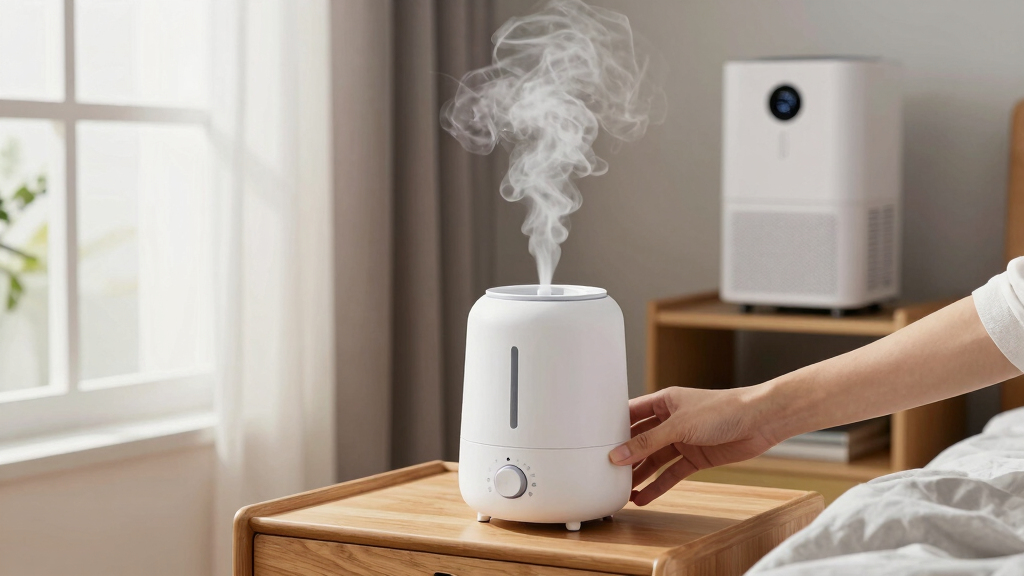
According to industry experts, each device serves a distinct purpose: humidifiers add moisture to dry air, dehumidifiers remove excess moisture in humid environments, and air purifiers filter pollutants and allergens from indoor air. The decision should be based on individual health concerns and existing indoor conditions. For instance, individuals with respiratory issues may benefit from air purifiers, while those in overly dry or damp climates might need humidifiers or dehumidifiers respectively. Recent consumer advice underscores that using the wrong device in the wrong environment can worsen indoor air quality or cause discomfort.Health authorities and appliance manufacturers recommend assessing indoor humidity levels and air quality before purchasing. For example, a hygrometer can help measure humidity, guiding whether a humidifier or dehumidifier is appropriate. Experts also warn against overuse, noting that excessive humidity can promote mold growth, while overly dry air can cause respiratory irritation. The key is targeted use based on specific indoor air issues.
Why It Matters
This guidance matters because indoor air quality directly affects health, comfort, and even property value. Incorrect device use can exacerbate existing problems or create new ones, such as mold growth or respiratory discomfort. As more people spend extended periods indoors, understanding which device to use becomes essential for maintaining a healthy living environment.
As an affiliate, we earn on qualifying purchases.
Background
Recent consumer confusion about air quality devices has increased amid heightened awareness of respiratory health and indoor air pollution. Industry reports indicate a surge in sales of all three device types, but many buyers remain uncertain about their specific needs. Historically, the market has lacked clear guidance, leading to misuse or unnecessary purchases. Experts now emphasize tailored solutions based on indoor conditions, especially given the rise of allergy and asthma concerns.
“Choosing the right device depends heavily on assessing your indoor environment. Not every home needs all three, but understanding your specific issues is key.”
— Dr. Lisa Nguyen, Indoor Air Quality Specialist
“Consumers often buy these devices without proper assessment, which can lead to ineffective or even harmful results.”
— John Carter, Appliance Industry Analyst
air purifier for allergies and asthma
As an affiliate, we earn on qualifying purchases.
As an affiliate, we earn on qualifying purchases.
What Remains Unclear
It is not yet clear how widespread consumer understanding of these devices is or how effectively recent guidance has been adopted. Ongoing research aims to evaluate whether targeted education reduces misuse and improves indoor air quality.
As an affiliate, we earn on qualifying purchases.
What’s Next
Experts plan to release more detailed consumer guidelines and promote the use of indoor air quality monitors. Retailers are expected to offer more tailored advice, and further studies will assess the impact of targeted education on device usage and indoor air health.
indoor air quality monitor hygrometer
As an affiliate, we earn on qualifying purchases.
As an affiliate, we earn on qualifying purchases.
Key Questions
How do I know if I need a humidifier or a dehumidifier?
Use a hygrometer to measure indoor humidity. If levels are below 30%, a humidifier can help. If above 50%, a dehumidifier may be necessary.
Can I use a purifier instead of a humidifier or dehumidifier?
Yes, if your primary concern is removing airborne pollutants, allergens, or odors. Purifiers do not affect humidity levels.
Are there health risks associated with improper use of these devices?
Yes, overusing a humidifier can promote mold growth, while excessive dehumidification can cause respiratory irritation. Proper assessment and use are essential.
What features should I look for in these devices?
Look for adjustable settings, humidity sensors, and filters for purifiers. Ensure the device is appropriately sized for your space.
Fall yard work Picks
leaf blowers
As an affiliate, we earn on qualifying purchases.