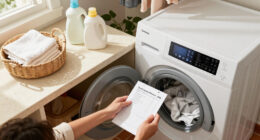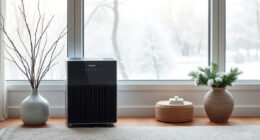

You can typically dry out a bedroom overnight by maximizing airflow and controlling humidity. Use fans and open windows to create cross-breezes that pull moisture out quickly. Keep the room warm but avoid overheating, and run a dehumidifier if needed. Address damp surfaces like bedding or curtains separately, and monitor humidity levels to prevent mold. For more tips on speeding up your drying process, continue exploring ways to optimize your environment efficiently.

Get home appliances delivered free with Prime
- Fast, free delivery on millions of items
- Prime Video, Amazon Music and more included
- Member-only deals all year
Key Takeaways
- Proper airflow with fans and cross-ventilation can significantly speed up drying overnight.
- Maintaining a warm, controlled temperature aids evaporation without causing discomfort.
- Using a dehumidifier reduces indoor humidity, enhancing moisture removal.
- Target damp surfaces and fabrics separately with towels or fans to accelerate drying.
- Regularly monitor humidity levels to optimize conditions and prevent mold growth.
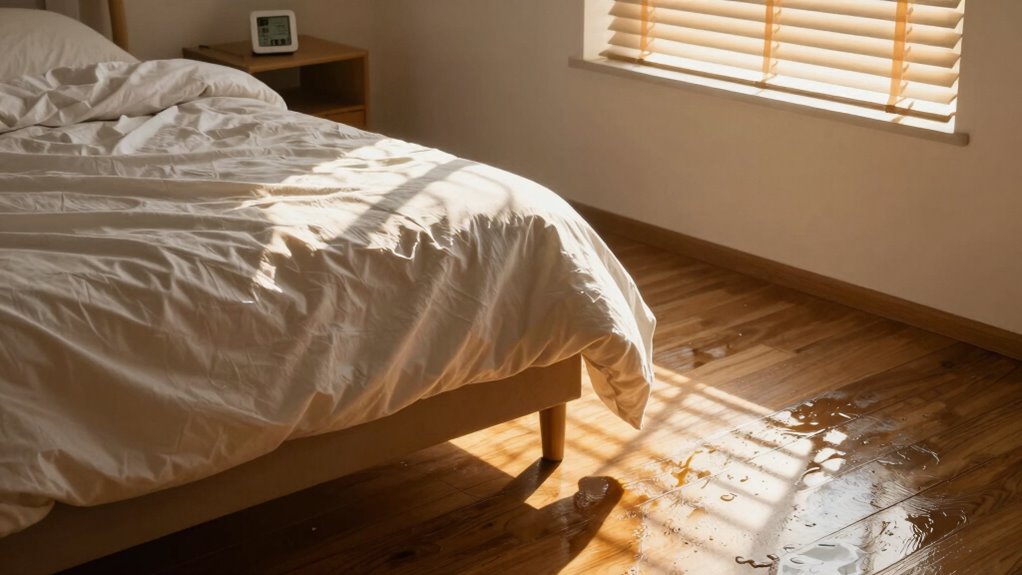
If you want your bedroom to dry out quickly overnight, you need to maximize airflow. Air circulation is key—placing fans near wet areas helps evaporate moisture more effectively. Turning on an exhaust fan or opening windows creates a cross-breeze that pulls moist air out and replaces it with drier air. If outdoor conditions are humid, use a dehumidifier inside to maintain low humidity levels. Keep your room warm, as heat accelerates evaporation, but avoid excessive temperatures that may cause discomfort or damage materials. Maintaining a balance of temperature and humidity is essential in accelerating drying and preventing mold, which thrives in damp, stagnant environments. Additionally, understanding the factors affecting drying speed can help you optimize your efforts for faster results. You should also pay attention to subtle details like damp bedding or curtains, which can prolong moisture presence. Removing or drying these items separately can help the room dry out faster. Using absorbent materials like towels or fans to target specific wet spots speeds up moisture removal. Keep in mind that the overall drying process isn’t just about removing surface moisture but also reducing moisture within walls, furniture, and other porous materials. Proper humidity control, combined with good airflow, ensures these materials dry thoroughly, lowering the risk of mold development. It’s also helpful to monitor indoor humidity levels regularly to ensure optimal drying conditions. Effective moisture management is fundamental to achieving a dry and comfortable environment overnight. Additionally, employing proper ventilation techniques can significantly enhance drying efficiency. Being aware of air exchange rates can further optimize your drying strategy for the fastest results.
As an affiliate, we earn on qualifying purchases.
Frequently Asked Questions
Does the Type of Bedding Affect Drying Speed?
Yes, the type of bedding affects drying speed. Bedding material influences drying efficiency; lightweight fabrics like cotton or linen dry faster than heavier materials like wool or thick microfiber. Breathable fabrics promote better airflow, speeding up the drying process. So, choosing appropriate bedding material not only impacts comfort but also helps your bedding dry quicker, especially if you’re trying to get it dry overnight.
Can Indoor Plants Help Dry Out a Bedroom Faster?
Indoor plants can help dry out your bedroom faster by increasing air circulation and humidity absorption. Imagine lush greenery soaking up moisture, their leaves acting like natural air purifiers, removing excess humidity and improving air quality. The plant benefits include enhanced air purification and a drier space. As they breathe in moisture, they create a healthier environment, helping your bedroom dry more quickly overnight.
How Does Humidity Level Impact Drying Time?
Humidity level plays a vital role in drying time. When humidity is high, moisture stays in the air longer, slowing down the drying process. To speed things up, you need humidity control—using dehumidifiers or increasing ventilation helps reduce moisture levels quickly. Conversely, lower humidity levels allow moisture to evaporate faster, so maintaining ideal humidity guarantees your bedroom dries out efficiently overnight.
Is It Safe to Leave Windows Open Overnight?
Leaving windows open overnight is like opening a window to let the breeze carry away your worries—sometimes, it’s safe, but it depends. You should consider ventilation strategies and air circulation to prevent drafts or unwanted pests. If the weather’s mild and secure, it can improve airflow and dry out your room. However, if it’s cold or risky, keep windows closed to maintain temperature and security.
Do Heating Systems Influence How Quickly a Room Dries?
Yes, heating systems influence how quickly your room dries. They increase air circulation, which helps remove moisture from the air, and speed up moisture absorption from surfaces and fabrics. When your heater runs, it warms the air, making it easier for moisture to evaporate and escape. This process accelerates drying, especially if combined with good ventilation. So, using your heater effectively helps your room dry faster overnight.
As an affiliate, we earn on qualifying purchases.
Conclusion
By morning, your bedroom becomes a quiet pond drained by the gentle glow of dawn, revealing a space reborn and refreshed. Just like water finds its way to the open sky, moisture escapes through tiny cracks and fibers, leaving behind a sense of renewal. Remember, patience and ventilation are your silent allies—guiding the room back to dry freedom. When the sun rises, so does your hope—your space, a symbol of resilience and fresh beginnings.
cross ventilation window exhaust fan
As an affiliate, we earn on qualifying purchases.
As an affiliate, we earn on qualifying purchases.
As an affiliate, we earn on qualifying purchases.
Columbus Day / Indigenous Peoples' Day Picks
long weekend sales
As an affiliate, we earn on qualifying purchases.