
Crawl space air can rise into your living areas more often and quickly than you might expect, especially when vents, gaps, or poor insulation allow moisture-laden air to move upward. This can increase humidity, cause musty odors, and lead to mold growth or structural issues over time. Understanding how pressure differences and airflow contribute is essential. Keep exploring this topic, and you’ll discover effective ways to improve your indoor air quality and home comfort.

Get home appliances delivered free with Prime
- Fast, free delivery on millions of items
- Prime Video, Amazon Music and more included
- Member-only deals all year
Key Takeaways
- Warm, moist air from crawl spaces naturally rises, entering upstairs living areas without homeowners realizing.
- Poor ventilation and leaks create pathways for crawl space air to infiltrate upper floors.
- Sealing gaps and installing proper vents reduce upward airflow from the crawl space.
- High indoor humidity from crawl space air can cause upstairs condensation and mold growth.
- Effective insulation and dehumidification help minimize the transfer of crawl space air to upper levels.

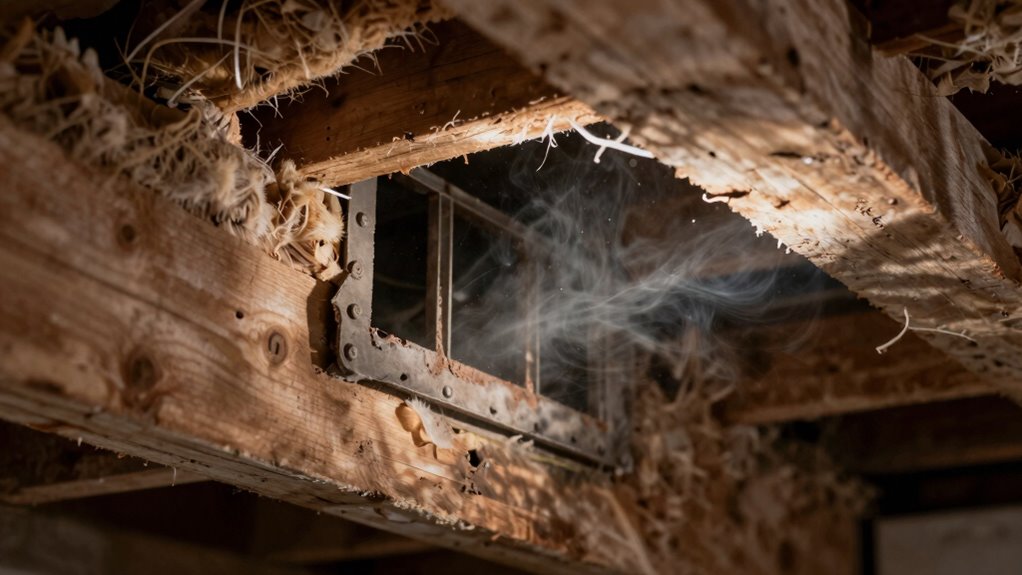
Many homeowners don’t realize that air from the crawl space often makes its way upstairs more frequently than they think. This hidden source of air movement can considerably impact your home’s indoor environment, especially when it comes to indoor humidity levels. Crawl spaces are typically unconditioned and can harbor excess moisture, mold, and musty odors. When this air rises, it can influence the overall air quality and comfort inside your living spaces. Recognizing how crawl space air reaches upstairs is the first step toward creating a healthier, more comfortable home.
Crawl space air can rise and impact your home’s indoor humidity and air quality.
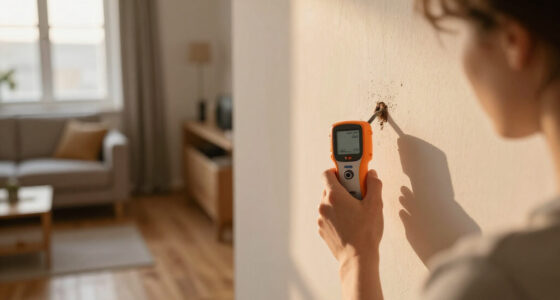
One of the main ways this happens is through natural air flow. Warm air tends to rise, pulling moisture-laden air from the crawl space into your living areas. Without proper ventilation practices, this process can go unchecked, leading to increased indoor humidity levels that foster mold growth and dust mite proliferation. High indoor humidity not only causes discomfort but can also damage your home’s structure over time. You might notice a persistent damp smell or see signs of condensation on windows and walls, which are indicators that crawl space air is impacting your indoor environment.
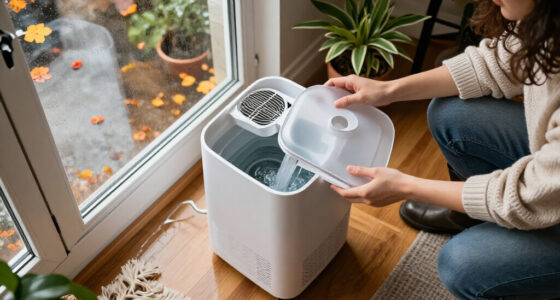
To control this, you need to understand and improve your ventilation practices. Proper ventilation helps regulate indoor humidity and prevents stale, moist air from lingering inside. Installing vents, exhaust fans, or even a dehumidifier can help draw out excess moisture from the crawl space before it infiltrates your home. Sealing off leaks or gaps between the crawl space and living areas is equally important. When these pathways are open, they act like conduits for moist air, especially during humid seasons or when outdoor air quality is poor. Additionally, understanding the role of air movement in your home’s ventilation can help you take more targeted steps toward managing humidity. You can also consider using sealants to block entry points for moist air, further reducing unwanted airflow.
Furthermore, understanding the pressure differences between your crawl space and living areas can help prevent unwanted air exchange, reducing the amount of moisture that enters your home. Proper insulation and dehumidification are key components in maintaining a balanced indoor environment, as they help minimize temperature fluctuations that drive moisture movement from below. You should also pay attention to how your home’s HVAC system interacts with the crawl space. An inadequately balanced system can inadvertently pull humid air from below and distribute it throughout your house. Regular inspections and maintenance of your HVAC can ensure that it isn’t contributing to humidity issues or air exchange problems. Using an air purifier equipped with HEPA filters can further improve indoor air quality by capturing mold spores, dust, and other airborne pollutants that originate from the crawl space. Proper insulation can also help minimize temperature fluctuations that drive moisture movement from below.
In essence, understanding how crawl space air reaches upstairs and implementing effective ventilation practices helps you maintain desirable indoor humidity levels. It’s about creating a balanced, well-ventilated environment that keeps moisture in check, protects your home’s structure, and promotes healthier indoor air quality. Taking these proactive steps allows you to better control the hidden influences of your crawl space on your home’s comfort and safety.
Products Worth Considering

Coway Mighty AP-1512HH(W) Air Purifier, White

Ring Alarm 8-Piece Kit (2nd Gen) Home Security System

LEVOIT Vital 200S-P Smart Air Purifier for Large Rooms
As an affiliate, we earn on qualifying purchases.
Frequently Asked Questions
How Can I Tell if Crawl Space Air Is Affecting Upstairs Air Quality?
You can tell if crawl space air affects upstairs air quality by paying attention to musty odors or increased humidity indoors. Install ventilation systems to improve airflow and reduce moisture buildup, which can prevent mold and odors from spreading. Regularly inspect your crawl space for moisture and pests. Proper moisture control and ventilation help keep the air upstairs cleaner and healthier, ensuring your home’s air quality stays high.
What Signs Indicate Crawl Space Air Is Infiltrating the Upstairs Areas?
You notice a stuffy smell or increased humidity upstairs, hinting at crawl space air infiltration. Elevated radon levels or sudden moisture buildup on walls and ceilings are clear signs. You might also feel cooler drafts near vents or see mold growth. These clues reveal that crawl space air, often carrying pollutants and moisture,’s seeping into your living areas, impacting air quality more than you realize.
Are There Specific Seasons When Crawl Space Air Movement Is More Pronounced?
Yes, seasonal ventilation affects crawl space airflow patterns, making crawl space air more noticeable upstairs during certain times. In winter, cold air from the crawl space sinks and infiltrates your living areas, while in summer, increased ventilation can lead to more airflow movement. You might notice drafts or odors more during these seasons. Understanding these patterns helps you better manage crawl space ventilation and prevent unwanted air from reaching upstairs rooms.
Can Sealing the Crawl Space Completely Prevent Upstairs Air Contamination?
Sealing your crawl space with proper moisture barriers can ensure upstairs air contamination is greatly reduced, but it might not eliminate it entirely. Crawl space vapor can still seep through small gaps or vents, especially if the seal isn’t perfect. To maximize protection, guarantee you install high-quality moisture barriers and seal all potential entry points. Regular inspections and additional ventilation control measures help prevent moisture buildup and improve indoor air quality overall.
How Often Should I Inspect My Crawl Space for Air Quality Issues?
You should inspect your crawl space at least once a year, more often if you notice humidity issues or musty odors. During inspections, check for excess moisture, mold, or poor ventilation. Implement effective humidity control and ventilation strategies, like installing vents or dehumidifiers, to improve air quality. Regular inspections help prevent contaminants from spreading upstairs and guarantee your home stays healthy and comfortable.
Conclusion
Next time you step upstairs, imagine invisible currents of air sneaking from your crawl space, whispering through vents and cracks. It’s a hidden dance of drafts that silently influences your home’s comfort and air quality. By understanding this unseen flow, you can better control it, creating a space where fresh air reigns and upstairs feels just as welcoming as the ground floor. Often, it’s the quietest breezes that shape your home’s true atmosphere.